Astonishing! Some Bloggers Kill Off Comments On Their Blogs. Why?

I’ve always believed that engaging with comments is at the core of what makes blogging so vibrant and interactive.

While I won’t reiterate what has been said about bloggers who choose not to respond to comments, I was taken aback to learn that some bloggers are opting to turn off comments entirely. Some claim that it’s the future of blogging, where people no longer want to engage, mainly because they don’t have the time.

Wait a minute. A silent blog? No comments? No space for discussion or interaction with fellow bloggers and readers? Will these blogs be relegated to ‘library’ status – a place for reading but not engaging?

Is it possible that some of those who neglect to respond to comments are also the ones shutting down comments altogether?

What drives the decision to turn off comments?

The leading reason appears to be time constraints. Many bloggers argue that responding to comments diverts precious time away from creating new content. This perspective honestly frustrates me.

If your content generates a lot of comments, managing responses can indeed feel overwhelming. While it’s true that time spent responding might seem more effectively allocated to writing new posts, with proper time management, it doesn’t have to be a significant issue.

Is there a limit to how many comments are too many?

In my 11 years of blogging, I’ve managed and replied to over 25,000 comments. Whether that’s excessive is debatable, but as a blogger, I continuously seek more engagement. I always feel sad for those blogs that generate little to no comments from readers. What are they doing wrong?

At times, responding to comments might take up an entire morning, time I could dedicate to crafting additional blog posts or short stories. Nevertheless, I’ve always believed that if someone takes the time to read my work and leave a comment, it’s only courteous to return the favour with a response.

“Treat every visitor to your blog, just as you would a guest in your home.”

This advice stuck with me early in my blogging journey, given by a blogger with an awe-inspiring follower count. She made it a point to respond to each comment (except comments from spammers or trolls), a lesson that remains ingrained in my approach.

A priority every morning when I log into my blog is to respond to comments. Not only does this affirm that my writing is resonating with readers, but it also establishes a friendly atmosphere, showing visitors and commenters that their contributions are valued.

Are all comments created equal?

Absolutely not. Comments vary widely. Some reflect that the commenter has read the entire post, generating fresh ideas for future content. Others, however, leave you wondering if they merely clicked the ‘like’ button without engaging deeply with your work. Some find it difficult not to leave a comment, regardless of what it is. Perish the thought that they may upset a blogger by not leaving a comment every time.

I acknowledge these lighter comments by liking them. At the very least, it signifies that I’ve read their input. However, I’ve grown tired of the short, non-engaging comments from the same bloggers all the time, especially those who obviously have not read the posts and who see my blog as a quick way to get some free marketing for their own blog.

Do I have a meaningful quote about comments?

Indeed, I do! This quote has resonated with many over the years:

“Not addressing comments left on your blog is akin to inviting someone over for coffee and ignoring their presence.”

The broader impact of comments.

Comments can spark rich debates among readers. It’s always enlightening to see two or more bloggers engage in discussions about the subject I’ve tackled in my post. I regard this as a ‘healthy debate.’ A blogger once told me that encouraging dialogue through comments showcases your engagement with the audience, even if not every comment is directly addressed to you.

But let’s revisit the question posed in the title: Why should bloggers eliminate comments from their blogs? I understand why some might temporarily disable comments (e.g. when they’re taking a blogging break), but turning them off completely seems contrary to the essence of blogging.

After all, don’t comments facilitate communication between the reader and the author? Isn’t that what most bloggers aspire to do—to connect with their audience?

Are you thinking about turning off comments on your blog? Are you somebody who can’t resist leaving a comment on every single post you check out, or do you just never bother to comment at all? Jump into the chat!

The featured image in this blog post is taken from Pixabay. Spelling and grammar mistakes were checked with the help of AI.

I’m getting tough with non-engaging comments. Any non-engaging comments, such as ‘Nice post’, are marked as spam.

Click the buttons below to follow Hugh on Social Media

Copyright @ 2025 hughsviewsandnews.com – All rights reserved.

Can Anyone Else Spot A Rubber Duck, Squirrel, Dinosaur and Hummingbird? #WordlessWednesday #Photography

Wordless Wednesday – No words, just pictures. Allow your photo(s) to tell the story.

Photo of some animal shaped clouds over the ocean.
Can you spot the animals in the sky?

Not sure what Wordless Wednesday is or how to participate? Click here for full details.

Are you participating in Wordless Wednesday? Although I am not hosting this challenge, you can leave a link or pingback to your post in the comments section to help promote it to other bloggers.

To help those with eyesight-impaired vision, please remember to complete a description of your photo in the ‘alt-text’ and description boxes of the picture in the WordPress media library. For more details, check my post, Adding Images Or Photos To Your Blog Posts? 4 Essential Things To Do.’

Follow Hugh on Social Media. Click on the links below.

If you enjoyed this post and want more like it, click the ‘Subscribe’ button to stay up-to-date with my latest content.

Copyright @ 2024 hughsviewsandnews.com – All rights reserved.

Would You Live Here? Why? #WordlessWednesday #Photography

Wordless Wednesday – No words, just pictures. Allow your photo(s) to tell the story.

A photo of a block of art-deco looking apartments on top of a cliff.
Apartments on top of a cliff.

Not sure what Wordless Wednesday is or how to participate? Click here for full details.

Are you participating in Wordless Wednesday? Although I am not hosting this challenge, you can leave a link or pingback to your post in the comments section to help promote it to other bloggers.

To help those with eyesight-impaired vision, please remember to complete a description of your photo in the ‘alt-text’ and description boxes of the picture in the WordPress media library. For more details, check my post, Adding Images Or Photos To Your Blog Posts? 4 Essential Things To Do.’

Follow Hugh on Social Media. Click on the links below.

If you enjoyed this post and want more like it, click the ‘Subscribe’ button to stay up-to-date with my latest content.

Copyright @ 2024 hughsviewsandnews.com – All rights reserved.

Can You Tell How Tall I am From This Photo? #WordlessWednesday #Photography

Wordless Wednesday – No words, just pictures. Allow your photo(s) to tell the story.

Photo of a shadow of a man that makes him look tall next to the shadow of a tree on green grass
Is Your Shadow Taller Than You?

Not sure what Wordless Wednesday is or how to participate? Click here for full details.

Are you participating in Wordless Wednesday? Although I am not hosting this challenge, you can leave a link or pingback to your post in the comments section to help promote it to other bloggers.

To help those with eyesight-impaired vision, please remember to complete a description of your photo in the ‘alt-text’ and description boxes of the picture in the WordPress media library. For more details, check my post, Adding Images Or Photos To Your Blog Posts? 4 Essential Things To Do.’

Follow Hugh on Social Media. Click on the links below.

If you enjoyed this post and want more like it, click the ‘Subscribe’ button to stay up-to-date with my latest content.

Copyright @ 2024 hughsviewsandnews.com – All rights reserved.

Is Now The Time For WordPress To Remove The Like Button From All Blog Posts?

Do you remember how you felt when somebody first pressed the ‘like’ button on one of your early blog posts?

Does the ‘like’ button lose its appeal the longer you blog?

Do you notice who has clicked the ‘like’ button on any posts?

Is the ‘like’ button overrated?

Banner for the blog post 'Is Now The Time For WordPress To Remove The Like Button From All Blog Posts?'
Is it time to remove the ‘like’ button on your blog?

When I first started blogging, the ‘like’ button on blogs was something I thought was one of the best ideas about blogging.

Getting a ‘like’ on one of my posts gave me the best feeling. I thought anybody clicking the ‘like’ button had read my post.

For me, a ‘like’ indicated that somebody had taken the time to read what I had written. Yes, somebody in the big wide world had taken a few minutes to read and like something I had written.

It also motivated me to write more blog posts in the hope that they would attract even more ‘likes.’ Of course, if somebody also left a comment, that was a bonus!

The Like button doesn’t have any disadvantages, does it?

It was not long before I discovered that the ‘like’ button has disadvantages.

Some bloggers said that seeing too many ‘likes’ on a blog post makes them feel demoralised.

In turn, some users go on to delete or abandon their blog or develop ‘blogging envy’ at seeing how well other users are doing compared to themselves.

I know of one user who admitted that, for them, ‘the number of ‘likes’ was more important than the content’; in other words, they saw blogging as more of a popularity contest.

I have never envied seeing bloggers get hundreds of likes, but I understand why some bloggers may envy it.

As I grew the list of the blogs I followed, it wasn’t long before I realised that there was not enough time in my day to read, like, and comment on all the blogs I followed.

Given that some of the bloggers I followed were publishing new blog posts more than once a day I was soon overwhelmed and drowned in a sea of voices, all wanting my attention.

Doing the following is not a solution.

Rather than unfollow any blogs, I began to ‘like’ posts without reading them. I thought that doing this would indicate to the blogger (who had written the post) that I had read their post, and they, in turn, would continue to read and ‘like’ my posts. I was fooling both them and myself.

I soon discovered that other bloggers and readers were playing the same game because they were all in the same boat as me. Some users (including me) were misusing the’ like’ button.

A dilemma. What would you have done?

When I read a blog post about the death of somebodies wife, I asked myself what I should do. Should I click ‘like’ or just leave a thoughtful comment? After all, many readers had already clicked the ‘like’ button on the post. Did those who clicked it not read the post? How could they have pressed the ‘like’ button on a post about somebodies death?

That was the day I left my first comment without clicking the ‘like’ button. Now I’m doing it much more often. Do you leave comments without clicking the ‘like’ button?

Would you press the like button on a post that contained bad news or news of death?

What shocked me the most about the ‘like’ button.

What shocked me the most was why some bloggers and readers click ‘like’ even if they have not read the post. The most surprising reason why bloggers do it was that it ‘shows support’ for the blogger who had written the post, even if they didn’t have time to read it.

Really? Liking a post without reading it is a way to support other bloggers? Are there no better ways to support bloggers? Of course, there are.

Should you remove the ‘Like’ button from your blog?

I did it about four years ago and was inundated with messages from readers who said that they missed seeing the ‘like’ button. When I asked why they missed it, only a few responded, most saying that it was a way to say they’d visited even if they didn’t read the post or leave a comment saying so.

When I enquired what kind of comment they’d leave if they’d not read the post, most said a comment that confirmed they’d visited.

How would you feel if a reader told you they’d clicked ‘like’ on one of your posts, but they’d not read it?

Of course, there’s also the other side of the coin. Just because somebody hasn’t clicked the ‘like’ button does not mean they have not read the post.

Do you notice the gravatar icons next to the ‘like’ button?

These days, I take little if any notice of them. I’d go as far as to say that the ‘like’ button found at the end of blog posts should probably disappear for good.

Not everyone misuses the ‘like’ button. And remember, there are many other ways to support a blogger than clicking ‘like.’

For example, occasionally, leaving a blogger a valuable comment that adds value to their post. Or ask questions about their post’s content to show you’re interested in what they’ve written.

Don’t become a ‘comment spammer‘ by leaving empty comments hoping you’ll get comments back on your posts.

Of course, if you’re happy with the comments section on your blog containing boring comments that serve no purpose other than saying that those who left them visited your blog, click away.

Why do some bloggers press the ‘like’ button on their blog posts?

That’s a question I’d love to know the answer to. Can you help? Does it benefit the post or their blog or make it look odd?

Don’t have time to leave thoughtful comments?

Rather than spend small amounts of time leaving pointless comments on many posts, use the time you save not leaving them by leaving the occasional comment that adds value to the post. Most bloggers will value you more for leaving a thoughtful comment occasionally than leaving many comments that add no value.

One thoughtful comment that adds value to a post is worth hundreds of comments that add no value.

When and for what reasons do you use the ‘like’ button on WordPress? Have you ever misused it, and would you miss it if WordPress removed it from all blogs?

Before you answer my questions or leave a comment, this is what WordPress says about the ‘like’ button.

Let’s say you’ve found a particularly awesome post on WordPress.com. You’d like to tip your hat to the author and give him or her credit. At the bottom of the post, you see the Like button. Press it, and the author will know that you have acknowledged an exceptional, phenomenal blog post.

WordPress.com

Please feel free to answer any of the questions I have asked throughout this post by leaving me a comment. I look forward to hearing what you have to say.

Follow Hugh on Social Media. Click the buttons below.

Want more posts like this? Enter your email address and click Subscribe.

Copyright @ 2024 hughsviewsandnews.com – All rights reserved.
Shall We Talk About Death Or Sex?

I probably talk or think about death more often than others.

I don’t talk about sex as much as I do death, but is that a problem when entering the autumn years of your life?

Many people I know don’t like talking about death. Do you? Many don’t enjoy discussing sex but is it easier to talk about than death?

Is it odd or natural to think and talk about death and sex simultaneously? You tell me.

Banner for the blog post 'Shall We Talk About About Death Or Sex?'
Which one do you feel most comfortable discussing?

Once upon a time, sex was a subject people didn’t like talking about. I’m going back to my early years here when sex was a hush-hush subject, almost taboo.

There was little information available about sex while I was growing up. The reaction I once got from my elders when I asked, ‘where do babies come from because I know the stork doesn’t bring them?‘ was like watching the faces of those watching the gory scene in a horror movie. ‘Is it something about a man and a woman solving a puzzle?‘ I went on to ask.

When I asked those questions, I got looks of shock, horror and embarrassment. My grandmother walked out of the room while my mother and father tried to change the subject quickly.

Lockdown talk

During the lockdown, my partner and I talked about death. But it was only while updating our wills. We couldn’t get past the point where we would talk about our deaths and what we wanted to happen when that time came. ‘We’ll talk about that another day,’ I told myself, yet death can come to any of us anytime. Can you imagine the problems we cause by not talking to each other about death?

Although nobody likes talking about death, we read, write and watch it happening in books, on television, in theatres and cinemas. It seems natural when reading, writing or watching it, but when talking about our deaths or the death of somebody we know, there comes the point where I hope somebody else will take the lead, and the subject will quickly change.

Why am I talking about death?

I have written about death here, but the truth is that what I call the otherside of death (where the person dying is not me) is approaching; it becomes a subject we can’t avoid. I have an aunt who is nearing the end of her life.

At 95 years old, some say my aunt has had an excellent innings. She loved life, but she wouldn’t like the life she is now living. I think I followed her for the love she had for life. However, she has spent what is left of her life in a hospital bed for the last three months. Her final words to me before she went into a deep sleep were, ‘I want to go home.’

I can relate to how she feels. Whenever I have been ill and not at home, I’ve always wanted to go home. If we allow it, being in familiar surroundings can help. Well, it always works for me. But does it help when nearing our final days?

As she faded in and out of consciousness, my aunt reacted to some voices in her hospital room yet ignored others. I wondered if she could choose which voices she wanted to respond to and which she chose to ignore? Does she have any control over what she hears while her life slips away?

Why do some people die quicker than others?

Truth be known, I wouldn’t say I like watching my aunt’s death being so drawn-out. The family all agree that she’d hate to be at the point she is – having to live the drawing out of the last days of her life in a deep sleep in a hospital bed. ‘There’s nothing else we can do for her except keep her comfortable,’ the medical staff tell us. ‘But keep talking to her because hearing is the last sense to go.

Really? Is hearing the last thing the dying sense? How can they possibly know? Have some of these staff lived previous lives, or has somebody who has left this world told them that’s what happens? It seems odd to say. I can not work out how they know.

When my father died in October 2020, his death was swift. He died within 24 hours of being taken ill. There were no weeks of being unconscious in a hospital bed. Yet when my mother died in September 2015, she took many weeks to die after we were told there was nothing else they could do. Why do some people die quickly, yet others seem to take weeks, months or years to pass?

Are those who have long-drawn-out deaths having to pay for what they may have done during their lives, or is there something or someone who has overall control over how long it takes for us to die? Do some linger because there is some unsettled business to attend to, or do we have no power over how long it takes to take that final breath?

Where do we go just before we die?

Years ago, I believed there was a waiting room we entered when dying. We sat there waiting for our name to be called before going through another door that took us on our next journey. Some remained longer in that waiting room than others. But while we wait, we are occasionally permitted to briefly go back through the first door to check what is happening in the world we are leaving. Perhaps we’re not quite ready to go because we’re waiting for somebody to come and say goodbye?

I’ve often asked myself why my mother took so long to pass away. Did she not want to go, or was she told she had to wait her turn? In life, we queue. Do we have to queue to die?

When we die, are we leaving behind those still alive, or do the living leave us behind?

I probably talk or think about death more often than others. Many people I know don’t like talking about it. How often do you talk about death?

Perhaps I should have talked more about sex? But would anyone have wanted to discuss it with me?

What are your thoughts on why we dislike discussing death or sex?

Follow Hugh On Social Media. Click on the buttons below.

Click the buttons below to follow Hugh on Social Media

How Do You Measure The Success Of Your Blog Posts?

How do you measure the success of a blog post?

Banner for the blog post 'How Do You Measure The Success Of Your Blog Posts?'
Which of your blog posts are the most successful?

As we drift into the last few weeks of the year, I find the world of blogging gradually becomes a quieter place. Like thousands of others, I’ll be taking a seasonal blogging break as we head deeper into December. 

However, one of the most popular posts I see appearing every December and early January is the traditional ‘My Top 10 Blog Posts Of The Year’ post. It won’t be long before these annual posts drop into your email inbox and WordPress Reader. 

But how do bloggers measure the success of those top 10 posts? What is it that helps make those posts appear in their ‘top 10’ lists?  

The more hits, the more successful? 

Most bloggers who will publish their ‘Top 10 Blog Posts of 2021’ blog post will base their list on the number of hits each blog post achieved. But that always has me questioning if that is the right way to compile a top 10 list. 

A blog post may have thousands of hits, but how many actually read the content? Does not reading a post make it successful? Should the number of hits count towards success when we’ve no idea how many times the post was read?

Does landing on a blog post by mistake make a post more successful when some of those who land there don’t stay and read the content?

Search engines are essential for finding something in particular on the web. However, how often have I clicked a link, then moved on quickly after realising the page I landed on isn’t what I was looking for? I’ll be honest and say that I’ve lost count!  

It’s made me question whether that click I made should count towards making the post more successful when I haven’t read the content. 

Volume V’s Sales

Let’s have a look at it another way. Take these two identical shops: 

Shop ‘A’ gets hundreds of customers a day because of its location or large advertising budget. However, it gets few sales a day. 

Shop ‘B” gets a much smaller number of customers because of its location or smaller advertising budget but gets a high sales volume. 

Which of the shops is the most successful? A or B?

When should comments count towards success?

If I compiled my ‘Top 10 Posts of 2021’ post based on the number of comments every post got, my top 10 list would look very different from the list I compiled for the number of hits or ‘likes’ a post got.

For example, one of my posts that received the most hits did not get any new comments or ‘likes’ left in the last 12 months. Yet the post that was number 21 on my most hits list got three new comments and six further ‘likes.’ Which one should be considered to have been the most successful in the last 12 months?

Then there are some bloggers (like me) who may not count specific comments. Comments that add value or prove the post was read count. Whereas lazy comments such as ‘Great Post’ or comments that only include a line of emojis may not count. 

When measuring success, should we include all comments or only those that add value or prove the post was read? 

When is a ‘like’ not a ‘like’?

I’ve never been a fan of the ‘like’ button on blogs since I discovered that some bloggers and readers misuse it. However, I see many bloggers basing the success of posts on the number of clicks on the ‘like’ button. 

Should clicking ‘like’ without reading a post count towards making a post successful? How many times have you had the same person press the ‘like’ button on lots of your blog posts within seconds of each other?

How many times has somebody clicked the ‘like’ button within seconds of you publishing a post?

Surely Sandra read my 900-word post if she clicked ‘like’ within ten seconds of me publishing it, didn’t she? Otherwise, why would she have clicked the ‘like’ button?

How do we know if somebody who clicks ‘like’ actually read the post?

Unfortunately, unless somebody clicks ‘like’ a reasonable time after publication, and leaves a genuine comment that proves they’ve read the post, we don’t know.  

Misuse of the ‘like’ button seems widespread in the blogging world, with some readers even pressing it to ease the guilt of not having time to read and comment on a post. Some click ‘like’ as a sign of support but may not read the post. Should those ‘likes’ count towards the success of a post?

Some see the ‘like’ button as nothing more than a free promotional tool for their blog, without even reading a post. Leave a ‘like’ and, fingers crossed, it will bring in some new visitors. 

The only success we should be discussing for these types of ‘likes’ is that the person clicking the ‘like’ button feels the post and blog are successful. All they’re doing is jumping on the success bandwagon of somebody else’s hard work.

If you’re wondering why I still have the ‘like’ button at the bottom of all my posts, allow me to enlighten you. I discovered (and WordPress told me) that it is connected to the ‘reblog’ button. Remove it, and the ‘reblog’ button also disappears from your blog posts.

That’s something I was not willing to allow. 

And removing the ‘like’ button from your blog doesn’t mean it will be removed from posts when they appear on the WordPress Reader. If you’ve removed the ‘like’ button from your blog, are you aware that people can still click on a ‘like’ button when reading your posts on the WP Reader?

How do I measure the success of a blog post?

Simple. If I were motivated or inspired to write and publish a post, then it would be a success. Therefore, you won’t find a ‘Top 10 Blog Posts Of 2021’ post on my blog.  

Winding-up

At the end of the day, I guess it’s entirely up to the blogger concerned about how they measure the success of their blog posts. What I do question, though, is whether bloggers should be publishing results that are not necessarily accurate.

Allow me to run a final thought past you 

Suppose a blog post gets only a few hundred hits but receives over 50 genuine comments and likes. Does it make it more successful than a post with thousands of hits yet very few comments and likes?

What do you think? How would you measure the success of a blog post?

Copyright © 2021 hughsviewsandnews.com – All rights reserved.

Curious Christmas Objects Around The House

Over the years, I’ve collected and accumulated lots of Christmas objects. However, some items have me curious as to why I bought them.

Take, for example, this curious little pot.

The curious Christmas pot

Purchased on eBay over ten years ago, it has never seen the light of day in our house. Not even at Christmas time have I been tempted to put this strange little pot on display. I’m not even sure what it is.

However, there may be a clue in the hole on the side of the lid where maybe one could place a teaspoon.

Does the hole hold the clue?

So is it a festive pot for holding jam, mustard, cranberry sauce, or Boxing Day festive chutney?

And it’s probably no wonder why I’ve never had it out on display at Christmas. I mean, look at it. It’s the stuff of nightmares. It’s something that belongs in a horror story. Feel free to write one that includes this object.

I’m positive the words ‘Christmas Antique’ in the heading of the auction were what tempted me to buy it. I don’t remember how much I paid for it, but it was no more than £20.

Was I conned at buying this supposed piece of ‘Christmas past?’ Maybe the mark on the bottom of the object answers my question? Maybe you know an antiques expert who could answer my questions?

At least we know where it was made

I wonder what’s its history is and what stories it could tell me?

Have you seen an object like this before? What do you think its purpose is? Is it an antique, or was it massed produced for the market?

Thank you to Michael at Spo-Reflections for the idea for this post.

Layout, content, settings, and format might differ on self-hosted blogs.

Follow Hugh on social media. Click the buttons below.

Why Do We Not Like Talking About Death?

In September 2015, when my mother passed away, both my brother and I were with her as she took her final breath. I remember thinking how beautiful she was. She’d been in a deep sleep for nearly a week and, over that week, she seemed to age quickly. But during the last ten minutes of her life, beauty and youth came back to her.

Can people nearing death hear us?

The medical staff told us to talk to Mum while she slept. ‘She’ll hear you’, were their words, but how could they have known? Had they once been near death’s door where they witnessed the voices of those still living, or had somebody who had experienced near-death told them what happens?

#family
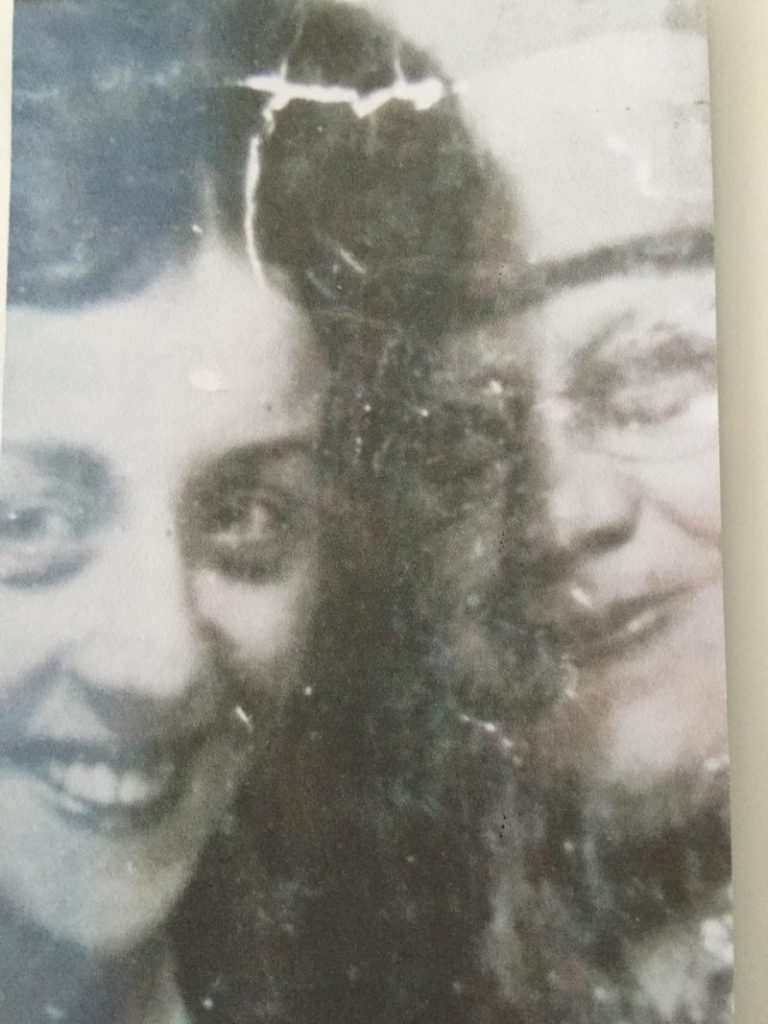
My mother and grandmother. Taken January 1962 ©hughsviewsandnews.com

We took their advice and talked to Mum as if she was sitting there having tea and biscuits with us. However, occasionally, general chit-chat turned to tears as we told her how much we loved her and to go on her way with whoever was waiting for her. But how did we know that somebody was waiting for her?

Twelve hours earlier, Mum had briefly opened her eyes and looked up at me. I spoke to her and wondered if she knew who I was. I didn’t tell her who I was but made sure I told her that I loved her.

Having suffered from dementia for the last five years of her life, I asked myself if her condition was still stopping her from recognising me, and if she saw me as a stranger?

When she looked into my eyes, squeezed my hand gently and smiled, before closing her eyes again, I thought I knew the answer. However, years on, I still wonder if I did have the answer. Why? Because I didn’t have any proof of who she saw when she had looked up at me. However, at least she did know that she was loved.

Do books and movies hold the secrets to death?

Maybe the answers are in the fiction we read and watch? After all, whenever we read a book or watch a movie, are we witnessing what the author or authors believe about death?

When we read about a person being at ‘death’s door’, or watching a film where a death occurs, is the author sharing some of their experiences with us from a previous life they can’t quite remember?

What about those who claim to have witnessed the bright light that appears when they were near death? Are they talking from experience, or is it guesswork? Even if only a tiny amount of what they tell us happens, are they telling us what they have witnessed, or are they merely portraying it?

Do the lights go off when we die?

Is knowing you’re about to die, a gift?

Death is something many of us find difficult to talk about. When my step-father asked me to help him organise funeral plans for both him and my mother, it was something I didn’t want to talk about with him. I felt uneasy having to discuss it with him.

He, on the other hand, didn’t seem to have any problems in asking me to help him put the funeral plans into place. He’d already decided which company he wanted to use, how much he wanted to spend, and what would happen on the day.

After I agreed to help him, I wondered why he had chosen that time to ask for my help. He had, after all, been thinking about death because he already knew which company he wanted to use and what both funerals should include. Nine months later, he suffered a heart attack and passed away. Did he know that the actual day of his death was nearing?

Are the displays of death as beautiful as the displays of life?

Have I made any plans for my death? No. Why? There’s something about death that I don’t like talking about, yet here I am discussing it with you.

Talking about death makes people uneasy. None of us wants that, do we? However, in some circumstances, shouldn’t the discussion make us feel happy that it’s out in the open?

If talking about death takes pressure off others, why do we still not want to talk about it?

I knew that my step-father was glad when I helped him organise his and my mother’s funerals. He knew that nobody had anything to worry about when he and my mother passed away. It was all paid for, and nobody had to do anything apart from pick up a phone, and report their deaths.

Everything was taken care of. My step-father was happy, and I should be happy because some of the pressure he’d experienced with death was something I wouldn’t have to go through.

#death #life

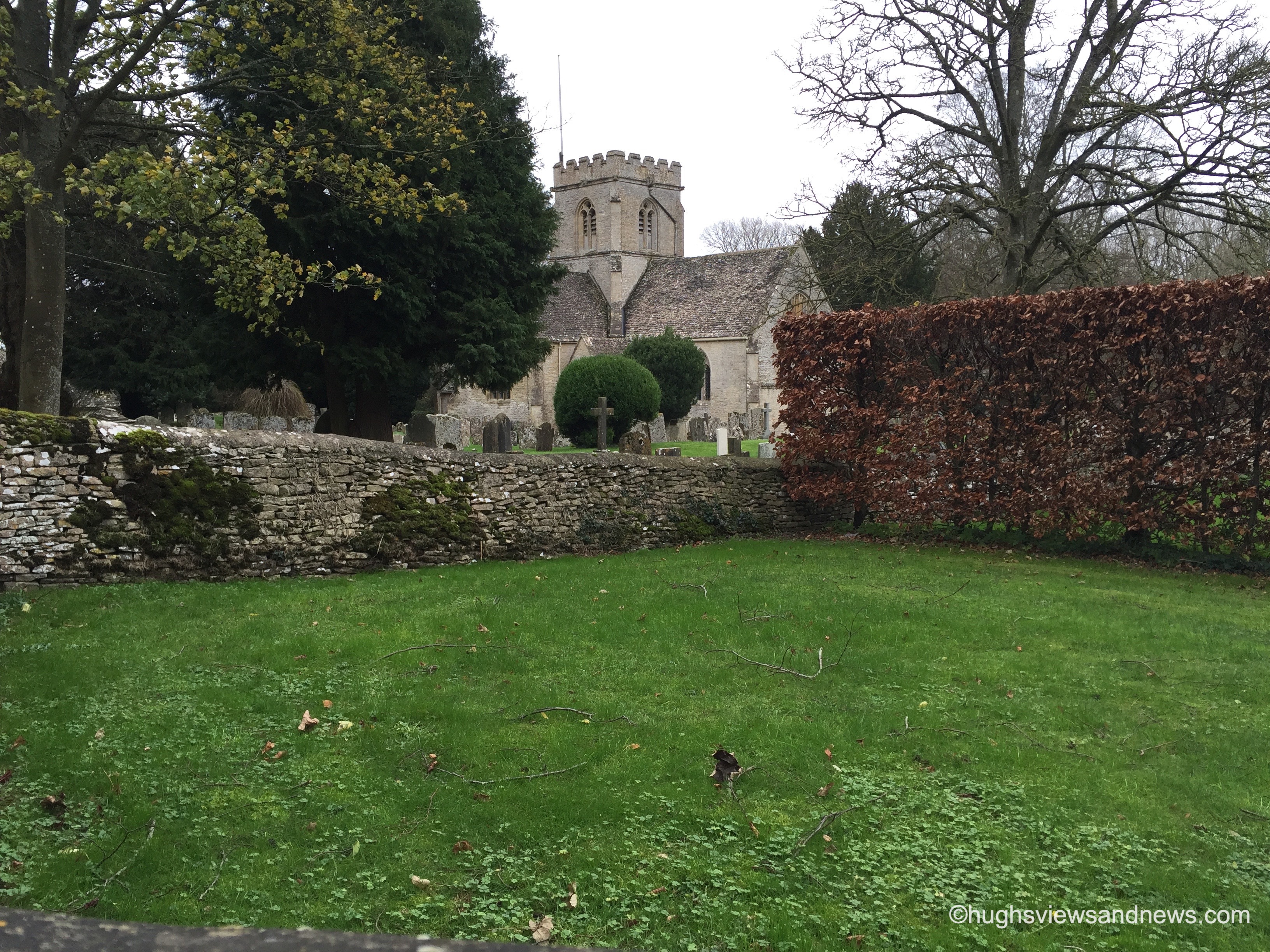
If Hell is below us, why do we still bury some of the dead in the ground?

Can only the dead answer the questions we have of death?

Do you ever wonder who the last person will be that you will see before closing your eyes and allowing death to take you on your next journey? Is there another journey after death? Are there journeys for all of us, none of us, or just some of us?

Some of us still have a birthday to look forward to this year, while the rest of us may be looking forward to a birthday next year. But what about our death day? During the last 12 months, we’ve all passed the date in the month we are going to depart this world (our death-day). Do you ever wonder about that date, knowing that it passes you by every single year?

Does not knowing the date of our death day make us better people or make our lives any more comfortable? If you knew the date of your death-day, would you change anything about the way you live your life? Would you ensure you became a better person and made the most of every single moment of your life?

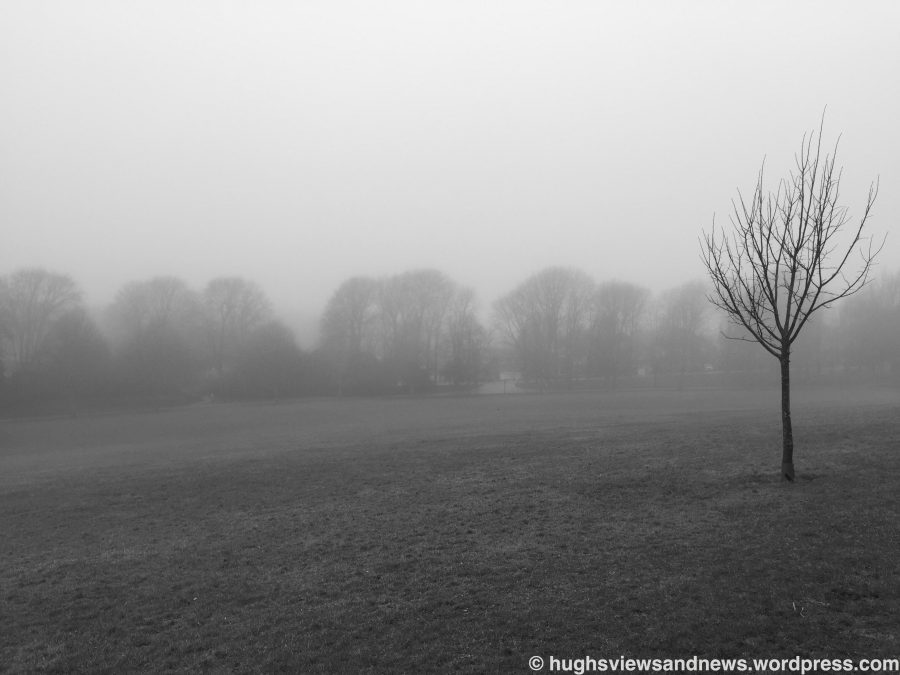
#death #trees #fog #life

Do we become isolated when we die?

Would you visit those you seldom see more often knowing that you may soon lose the chance ever to see them again?

Like my step-father did, would you ensure that loved ones are taken care of by preparing for your death? As well as celebrating a birthday, shouldn’t we all celebrate our death day?

Has the location of our death already been chosen for us?

I’ve often wondered about the place where I am going to die. Is that place already somewhere I know or is it somewhere I’ve yet to visit? Will it be at home? Will it be in a shop, theatre, cinema or a bar? What season will it occur? What day of the week will it be? Perhaps, Friday (the day I was born)?

Will I be with others who all have the same death-day as me, or will I be on my own? I don’t know about you, but I don’t want to be alone when death approaches me. I want to be with people (just as I was on the day I was born).

I’m not sure about being surrounded by my family and friends at the time of my death. I don’t like the thought of them watching me pass away. It wouldn’t be fair to them, would it?

However, being surrounded by total strangers seem alright. I wonder if those strangers are already in my life or if I’ve yet to encounter them?

I don’t like to think about myself dying in a hospital bed or on a beautiful beach in full sun. Although I love living by the sea, the feel of sand on my skin is something I’ve never been fond of experiencing, yet its beauty attracts me.

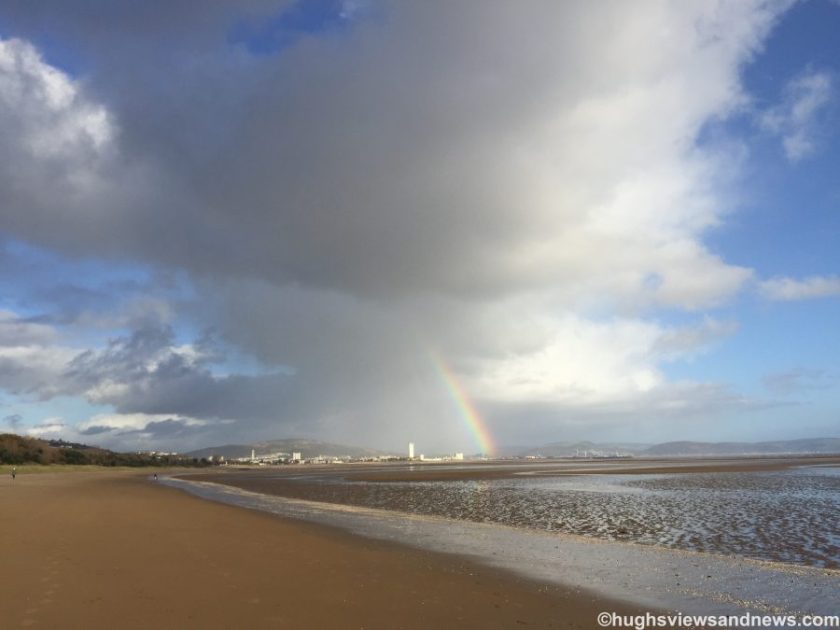
Rainbow over Swansea

Can I become a rainbow when I die?

I do like the thought of dying while sitting in front of the TV, especially if what I am watching is making me laugh or feel happy.

Does the way we’d like to die change as we grow older?

When I was younger, the thought of passing away while in a passionate embrace was something I thought was one of the best ways to die. However, as I grew older, I started to think about how unfortunate it would be for the person with me at the time. Now, I wouldn’t want to find myself in that position. Would you?

Final thoughts

When I pass away, will anything or anybody replace me? How do I convince people not to be sad that I am no longer here? I want them to celebrate my life, not my death. Does grief have to come hand-in-hand with death? Even if it is a stranger who has just entered my life when I close my eyes for the final time, and sadness will be erased away by time, won’t it?

There is something about death that I do know. While we are still here, we should do all we can to ensure that the sadness that often comes with death is not the kind that buries its roots deeply into those that we leave behind.

Do the dead leave us behind, or are we leaving them behind?

Copyright © 2019 hughsviewsandnews.com – All rights reserved.

The Trouble With Chocolate

Can chocolate be trouble? Yes, in my books, it can, and Audrey Hepburn is to blame!

I’m really bothered, severely troubled, and it’s all to do with this commercial. aa

So there you have it. Cute commercial, yes? But, where does the word ‘trouble’ come into it and why am I bothered by what Audrey Hepburn is up to on that bus?

Now, I know some of you are shaking your heads and looking at me as if I’ve just announced I’ve purchased a cat flap for a submarine, but please stay with me on this and let me tell you why I think that commercial has made me believe chocolate is nothing but trouble.

Maybe the trouble is to do with the beautiful scenery right at the beginning?

Is it the beautiful Audrey Hepburn look-a-like sat on the bus? She does have incredible eyes, doesn’t she? All sort of puppy looking and adorable.

Is it what she reveals is inside her handbag when she opens it?

Oh, wait! What about the handsome chap who pulls up in the car beside the bus? No, he’s not my type, and why is there a woman sitting on the bus with a yellow bowl on her head? Did you see her? Yes?

Now, where was I? Oh yes, what was inside Audrey’s handbag. Now considering she’s sat on a hot bus (because it’s a beautiful sunny day outside and the commercial is set in a hot country), should that chocolate bar not have melted in her handbag? Does the guy sitting next to her look like he needs some Gaviscon? To me, it seems like he has heartburn. Are you still shaking your head?

Is it the music and the song, Moon River, that is the problem, or what about the singer’s voice? Beautiful voice, yeah, but wouldn’t make it on X-Factor or The Voice. Besides, I prefer the original version.

Then there’s that guy in the car. He may be good-looking, but, believe me, I don’t think he’s the one who is trouble. OK, I wouldn’t turn down an offer of a beer with him just to find out what hair products he uses and discuss why Barbie and Ken never got married, but, believe me, it’s not him.

Right, back to the commercial. Is that a pumpkin on the road Audrey passes when she gets off the bus? Did they have big ripe pumpkins in the middle of summer in the 1950s, and why has somebody painted what looks like two caterpillars above Audrey’s eyes? I’m sure they’re moving around her face.

Could it be the rugged bus driver that is the trouble? Is it him I want to see in place of Audrey on the bus? Well, no, because who would then drive the bus? Audrey? Not with the shoes she’s wearing. No way! I’d be off that bus quicker than my Aunt Mary being chased down Dagenham High Street by two Store Detectives after sticking a frozen turkey up her jumper and making a run for it.

Now, back to the good-looking man in the car. Do you think he has a big head? I only ask, as when Audrey puts the bus driver’s cap on him before getting into his car, it looks at least two sizes too small for him. On the other hand, maybe the bus driver has a small head? After all, he is bald. Perhaps that is why the cap is far too small for the good-looking man driving the car? What do you think?

How on earth did Audrey get the chocolate bar out of her handbag as the good-looking man whisked her off in his car? I never saw her open her bag and get the chocolate out. Did you? And, come on, Audrey, would you really get into a strange man’s car without even asking his name?

Want to know what happened to Audrey after being driven off in that strange man’s car? Was there really romance in the air? Click here for all the details.

Do you ever have problems with chocolate?

© 2017 Copyright-All rights reserved-hughsviewsandnews.com.