Why Books, Libraries And Writing Can Be Terrifying Places For Some

Every time I walk into my local library to pick up some recycling bags, I feel like I’m entering a world that doesn’t want me there. Or is it that I don’t want to be there?

For me, libraries can be terrifying places. Just like picking up a book and opening it can be a terrifying prospect. As an author and writer, you’d think that both would be something I’d get a lot of pleasure from. But I don’t.

Banner for the blog post 'Why Books, Libraries And Writing Can Be Terrifying Places For Some'
Does reading, writing or libraries terrify you?

Why Am I terrified of libraries and books?

Dyslexia – that’s the answer. As somebody who is dyslexic, reading and writing are two things I have always found difficult. And writing about dyslexia is even harder.

When I enter the library and face all those books that can introduce me to new characters and transport me to different worlds, I feel like a big door is being slammed shut right in front of me. Why? Because I know that I would find it difficult to read many of the books on the shelves.

How does being dyslexic affect me?

Being dyslexic affects me in many different ways. For example, I often find myself struggling to know what a word or its meaning is.

It doesn’t always come to me even when I try saying the sounds the letters make as they appear in a word. Struggling with a word in the middle of a sentence can stop me on my reading journey and sometimes make me feel like a failure. It’s as if the word is some sort of barrier preventing me from continuing my reading journey.

Occasionally, when I pick up a book, I encounter too many words I don’t understand. They can be the simplest words, yet my brain can not determine them. I start asking myself what those words mean. Are they important? Why can’t I say them?

If I have to go back to the beginning of a page or chapter because I don’t understand the plot or what’s going on, I will almost certainly give up on the book. I may have another go, but more often than not, I never pick up that book again.

It’s not only about reading.

When it comes to writing, one of the strangest things dyslexia does to me is not putting certain letters in the correct order. I struggle if a word has an ‘A’ and ‘C’ in it. For example, I can often type ‘because’ in a blog post, yet Grammarly will underline every ‘because’ I’ve typed because they’re all incorrect.

The same thing happens when using pen and paper. My brain is rushing ahead of me, causing my hand to travel in different directions as it pushes the pen that produces awful handwriting, not even I can understand. What I write resembles the scribbles I drew as a young preschool child.

But not all is lost, is it?

I’m pleased to say that I don’t have problems reading all books. I seem to go through peaks and dips with them. I have to be in the mood to read books. They have to be written in a way that I can understand exactly what’s going on. No silly accents or too many characters whose names all begin with the same letter.

So, unfortunately, you won’t find many book reviews I’ve written, yet you’ll find many comments I’ve written on the many blogs I follow. And by comments, I don’t mean the types that don’t offer any value. If I leave a comment, it’ll be at least a couple of sentences long.

For me, comments are like leaving book reviews. If I leave a comment, it’s because the words on a post have connected with me, and I want to engage with the author.

Happy endings

I allowed dyslexia to suppress my love of writing for far too long. In February 2014, when I published my first blog post, I felt like I had conquered it.

I’ve often heard it said that people with dyslexia have unique imaginations. I’m unsure if that’s true, but it’s been a happy ending. If it were not for blogging and the many bloggers who encouraged me to write, I’d never have self-published two short story collections.

Don’t allow me to stop you.

But even with my love for blogging, I still find books and libraries terrifying places.

It’s not just the fear of being judged for my reading speed or accuracy; it’s also the overwhelming amount of options available. With shelves upon shelves of books, where do I even begin? I had the same problem with blogging. I followed too many blogs, so I cut down on the number I was following. That helped.

For someone with dyslexia or any reading disability, picking up a book can be anxiety-inducing. The fear of being unable to understand the words and follow the plot makes it easy to understand why some people avoid books altogether.

And while libraries and bookshops may seem a haven for book lovers, it only adds to the pressure for some. Surrounded by so many books, it’s easy to feel like you should be reading them all, like you’re missing out on something if you don’t (just like all those blogs you follow).

How often do I hear or read that somebody is so far behind in reading blogs? They fear they could miss out if they don’t read them all.

The same happens with social media. How often do we see people with their heads down while looking at a screen? I’ve witnessed whole tables of people in restaurants, all with their heads down, looking at their phones while eating.

But the truth is, there is no “right” way to read. There is no “right” book to read. It’s okay to read at your own pace, take breaks when necessary, and stop reading a book or blog if it’s not connecting with you.

And remember! You don’t need to read just books to enjoy reading. I get far more enjoyment from reading blogs than I do books.

Books and libraries may be intimidating places for some, but there’s no denying the magic of losing yourself in a story. However, we can also lose ourselves watching a movie. It’s worth facing your anxieties and fears to experience that magic for yourself.

So, please, don’t be like me. Pick up a book, visit your local library, and don’t be afraid to take it one page at a time.

Who knows? You might find a new favourite author or even discover the joy of writing for yourself.

And don’t forget you can also do the same in the world of blogging. It’s a magical place full of content where you can quickly lose yourself.

Image showing tightly packed books on a book-shelve
Books! Friends or foes?

Now it’s over to you.

Are you dyslexic? How do you manage your reading, writing and blogging? What books or blogs are you reading that help you conquer dyslexia? Tell me about them by leaving me a comment.

This post was originally published in April 2019 and has been updated for republishing.

Follow Hugh on his social media platforms by clicking the buttons below.

Want more posts like this? Enter your email address and click Subscribe.

Copyright @ 2024 hughsviewsandnews.com – All rights reserved.

Christmas Cards: Do You Send Them? Do You Receive Them? How To Avoid The Dilemmas

If receiving Christmas cards were a hobby, it would be a hobby I’d embrace and never let go of.  

I’ve always preferred receiving Christmas cards to birthday cards. They’ve always been more important to me, but over the years have caused me a few dilemmas. Do you recognise any of these?

Banner for the blog post 'Christmas Cards: Do You Send Them? Do You Receive Them? How To Avoid The Dilemmas.'
Christmas cards. Are they a problem?

How to display Christmas cards

My parents always strung Christmas cards along our lounge’s longest wall. I’d stand underneath the line and count them every day. And if any of the cards overlap, I’d make it known so they could be adjusted. I wanted every Christmas card to give the same pleasure to visitors as I got out of them over the festive period.

I’d tell my school friends how many Christmas cards we had and keep a record of the number every year. The most we ever got was 106. So many that the line they hung on came down. I cried so much that my parents had to console me with chocolate.

Don’t hang too many Christmas cards on one line. If they are overlapping, put up another line.

These days, we display cards on a card rack. The overlapping doesn’t seem to bother me as much as it used to. However, I seem to prioritise those cards I see as more festive, so they don’t get pushed to the back of the rack.

How do you display Christmas cards?

Christmas at school

During my early schooling years, my class would send Christmas cards to each other. Back then, Christmas cards came in different sizes in one box. The first dilemma was matching the correct-sized envelope to the right card. 

Usually, you’d end up with a couple of cards that didn’t fit the envelopes you had left or, on rare occasions, have cards left with no envelopes. 

These days, Christmas cards seem to come in packs and are all the same size, so the dilemma of matching envelopes with cards has gone. But if you don’t have enough envelopes, dig out the spare cards from last Christmas. It’s unlikely people remember what Christmas card you sent them last year.

Christmas cards for school friends

We’d make a pillar box out of cardboard, cotton wool, paints and some sticky-back plastic. We were all encouraged to post Christmas cards into the box, and on the last day before the Christmas holidays, our teacher would sort them and distribute them out. 

I’d always be super excited to get a pile of cards with my name proudly written on the front of the envelopes. I’d open them all before rushing home to hang them with the rest of the cards, careful not to snap the line.

If there wasn’t enough room on the line, I had to wait patiently for my father to put another up. Sometimes, this could take days, and I’d get frustrated that my cards were not on display.

After Christmas, I’d keep the cards I liked the most and make gift tags out of them for the following Christmas.

Did you send Christmas cards to your classmates?

The first Christmas card

The first Christmas card was sent in 1843. Back then, there were no signs of robins, snow, Christmas stockings or Father Christmas on them. Most cards showed people drinking, eating and being merry.

It wasn’t until the 1870s that Christmas cards began to display some of the festive images we see today.


A Victorian Christmas card. Image by DarkmoonArt_de from Pixabay

Back in the 1970s (when I was sending cards to those in my class), I loved certain cards. These include the ones I thought were associated with Christmas. Those showing scenes that had Father Christmas, Christmas stockings, robins, snow, and Christmas trees were my favourites. 

And then there were cards I didn’t particularly like because I thought they had nothing to do with Christmas. These included ones with scenes of horse-drawn carriages, fox hunting, St Paul’s Cathedral, or a hand-drawn poinsettia. 

My favourite classmates always got the cards I associated with Christmas, but my dilemma was who should get the cards I didn’t like. Easy! The classmates I didn’t bother with much (or those I didn’t particularly like) got the boring ones. Back then, you could always tell who didn’t like you much from the type of card they sent you (or so I thought).

Christmas postcards 

Back in the early 20th century, some Christmas cards were like postcards. Many years ago, I picked up some on eBay. This one is my favourite. 

An Old Maid’s Christmas
On the back.

Postmarked Dec 24th 1912, I love the humour on this postcard. I’m not sure it would go down well these days. What do you think?

I can’t make out the postmark on this postcard, but the stamp on it tells me it’s from the U.S.A. 

Christmas postcard from the early 20th century

And here’s another early one from the U.S.A., postmarked Dec 23rd 1913.

Christmas postcard dated Dec 23rd 1913

Postal addresses were so short back then.

The best era for Christmas cards

In my opinion, the 1980s were the best era for Christmas cards. Here are a few of my favourites.

I have a scrapbook that includes some of my favourite Christmas cards.

The boyfriend dilemma

Finally, here’s a Christmas card from 1988 that was sent to me by my then-boyfriend.


Christmas 1988
Last Christmas, I gave you my heart. By New Year’s Day, I’d taken it away!

Unfortunately, Bob went on to break my heart on New Year’s Eve, yet I kept the Christmas card he sent me. I wonder why?

I hope you enjoyed my brief history of the Christmas card.

Do you send and enjoy receiving Christmas cards? Have you ever had any dilemmas with them? Share them in the comments section.

This post was originally published in 2020 and has been updated and republished.

Click the buttons below to follow Hugh on social media.

Copyright © 2022 hughsviewsandnews.com – All rights reserved.

Shall We Talk About Death Or Sex?

I probably talk or think about death more often than others.

I don’t talk about sex as much as I do death, but is that a problem when entering the autumn years of your life?

Many people I know don’t like talking about death. Do you? Many don’t enjoy discussing sex but is it easier to talk about than death?

Is it odd or natural to think and talk about death and sex simultaneously? You tell me.

Banner for the blog post 'Shall We Talk About About Death Or Sex?'
Which one do you feel most comfortable discussing?

Once upon a time, sex was a subject people didn’t like talking about. I’m going back to my early years here when sex was a hush-hush subject, almost taboo.

There was little information available about sex while I was growing up. The reaction I once got from my elders when I asked, ‘where do babies come from because I know the stork doesn’t bring them?‘ was like watching the faces of those watching the gory scene in a horror movie. ‘Is it something about a man and a woman solving a puzzle?‘ I went on to ask.

When I asked those questions, I got looks of shock, horror and embarrassment. My grandmother walked out of the room while my mother and father tried to change the subject quickly.

Lockdown talk

During the lockdown, my partner and I talked about death. But it was only while updating our wills. We couldn’t get past the point where we would talk about our deaths and what we wanted to happen when that time came. ‘We’ll talk about that another day,’ I told myself, yet death can come to any of us anytime. Can you imagine the problems we cause by not talking to each other about death?

Although nobody likes talking about death, we read, write and watch it happening in books, on television, in theatres and cinemas. It seems natural when reading, writing or watching it, but when talking about our deaths or the death of somebody we know, there comes the point where I hope somebody else will take the lead, and the subject will quickly change.

Why am I talking about death?

I have written about death here, but the truth is that what I call the otherside of death (where the person dying is not me) is approaching; it becomes a subject we can’t avoid. I have an aunt who is nearing the end of her life.

At 95 years old, some say my aunt has had an excellent innings. She loved life, but she wouldn’t like the life she is now living. I think I followed her for the love she had for life. However, she has spent what is left of her life in a hospital bed for the last three months. Her final words to me before she went into a deep sleep were, ‘I want to go home.’

I can relate to how she feels. Whenever I have been ill and not at home, I’ve always wanted to go home. If we allow it, being in familiar surroundings can help. Well, it always works for me. But does it help when nearing our final days?

As she faded in and out of consciousness, my aunt reacted to some voices in her hospital room yet ignored others. I wondered if she could choose which voices she wanted to respond to and which she chose to ignore? Does she have any control over what she hears while her life slips away?

Why do some people die quicker than others?

Truth be known, I wouldn’t say I like watching my aunt’s death being so drawn-out. The family all agree that she’d hate to be at the point she is – having to live the drawing out of the last days of her life in a deep sleep in a hospital bed. ‘There’s nothing else we can do for her except keep her comfortable,’ the medical staff tell us. ‘But keep talking to her because hearing is the last sense to go.

Really? Is hearing the last thing the dying sense? How can they possibly know? Have some of these staff lived previous lives, or has somebody who has left this world told them that’s what happens? It seems odd to say. I can not work out how they know.

When my father died in October 2020, his death was swift. He died within 24 hours of being taken ill. There were no weeks of being unconscious in a hospital bed. Yet when my mother died in September 2015, she took many weeks to die after we were told there was nothing else they could do. Why do some people die quickly, yet others seem to take weeks, months or years to pass?

Are those who have long-drawn-out deaths having to pay for what they may have done during their lives, or is there something or someone who has overall control over how long it takes for us to die? Do some linger because there is some unsettled business to attend to, or do we have no power over how long it takes to take that final breath?

Where do we go just before we die?

Years ago, I believed there was a waiting room we entered when dying. We sat there waiting for our name to be called before going through another door that took us on our next journey. Some remained longer in that waiting room than others. But while we wait, we are occasionally permitted to briefly go back through the first door to check what is happening in the world we are leaving. Perhaps we’re not quite ready to go because we’re waiting for somebody to come and say goodbye?

I’ve often asked myself why my mother took so long to pass away. Did she not want to go, or was she told she had to wait her turn? In life, we queue. Do we have to queue to die?

When we die, are we leaving behind those still alive, or do the living leave us behind?

I probably talk or think about death more often than others. Many people I know don’t like talking about it. How often do you talk about death?

Perhaps I should have talked more about sex? But would anyone have wanted to discuss it with me?

What are your thoughts on why we dislike discussing death or sex?

Follow Hugh On Social Media. Click on the buttons below.

Click the buttons below to follow Hugh on Social Media

Why Do We Not Like Talking About Death?

In September 2015, when my mother passed away, both my brother and I were with her as she took her final breath. I remember thinking how beautiful she was. She’d been in a deep sleep for nearly a week and, over that week, she seemed to age quickly. But during the last ten minutes of her life, beauty and youth came back to her.

Can people nearing death hear us?

The medical staff told us to talk to Mum while she slept. ‘She’ll hear you’, were their words, but how could they have known? Had they once been near death’s door where they witnessed the voices of those still living, or had somebody who had experienced near-death told them what happens?

#family
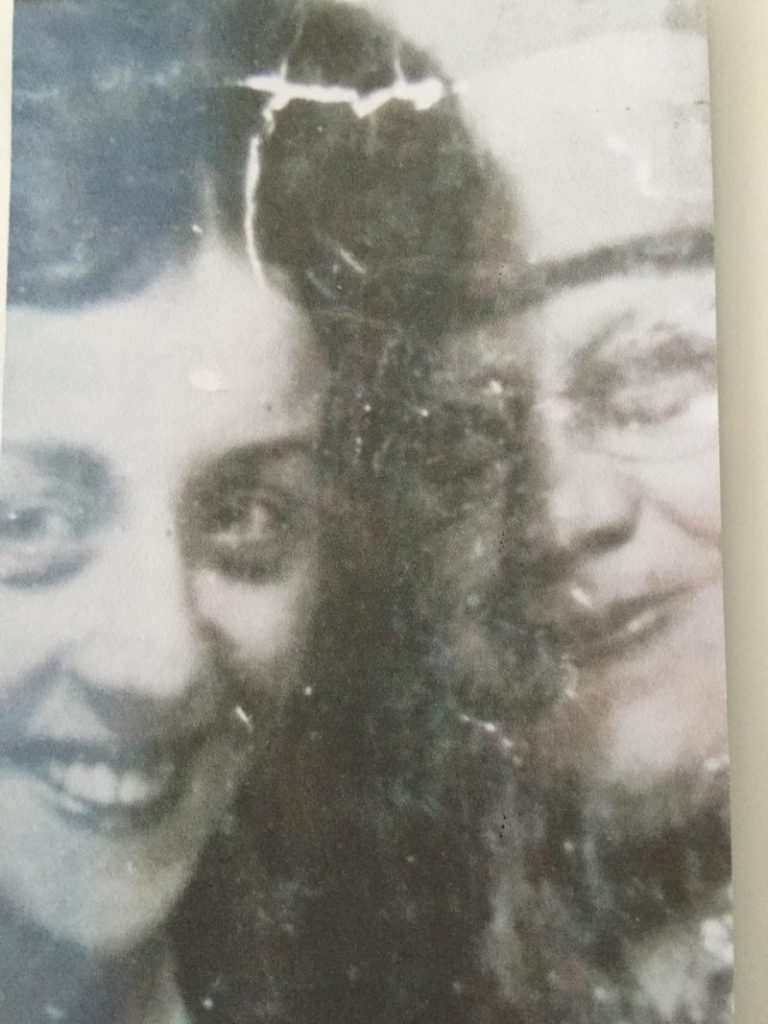
My mother and grandmother. Taken January 1962 ©hughsviewsandnews.com

We took their advice and talked to Mum as if she was sitting there having tea and biscuits with us. However, occasionally, general chit-chat turned to tears as we told her how much we loved her and to go on her way with whoever was waiting for her. But how did we know that somebody was waiting for her?

Twelve hours earlier, Mum had briefly opened her eyes and looked up at me. I spoke to her and wondered if she knew who I was. I didn’t tell her who I was but made sure I told her that I loved her.

Having suffered from dementia for the last five years of her life, I asked myself if her condition was still stopping her from recognising me, and if she saw me as a stranger?

When she looked into my eyes, squeezed my hand gently and smiled, before closing her eyes again, I thought I knew the answer. However, years on, I still wonder if I did have the answer. Why? Because I didn’t have any proof of who she saw when she had looked up at me. However, at least she did know that she was loved.

Do books and movies hold the secrets to death?

Maybe the answers are in the fiction we read and watch? After all, whenever we read a book or watch a movie, are we witnessing what the author or authors believe about death?

When we read about a person being at ‘death’s door’, or watching a film where a death occurs, is the author sharing some of their experiences with us from a previous life they can’t quite remember?

What about those who claim to have witnessed the bright light that appears when they were near death? Are they talking from experience, or is it guesswork? Even if only a tiny amount of what they tell us happens, are they telling us what they have witnessed, or are they merely portraying it?

Do the lights go off when we die?

Is knowing you’re about to die, a gift?

Death is something many of us find difficult to talk about. When my step-father asked me to help him organise funeral plans for both him and my mother, it was something I didn’t want to talk about with him. I felt uneasy having to discuss it with him.

He, on the other hand, didn’t seem to have any problems in asking me to help him put the funeral plans into place. He’d already decided which company he wanted to use, how much he wanted to spend, and what would happen on the day.

After I agreed to help him, I wondered why he had chosen that time to ask for my help. He had, after all, been thinking about death because he already knew which company he wanted to use and what both funerals should include. Nine months later, he suffered a heart attack and passed away. Did he know that the actual day of his death was nearing?

Are the displays of death as beautiful as the displays of life?

Have I made any plans for my death? No. Why? There’s something about death that I don’t like talking about, yet here I am discussing it with you.

Talking about death makes people uneasy. None of us wants that, do we? However, in some circumstances, shouldn’t the discussion make us feel happy that it’s out in the open?

If talking about death takes pressure off others, why do we still not want to talk about it?

I knew that my step-father was glad when I helped him organise his and my mother’s funerals. He knew that nobody had anything to worry about when he and my mother passed away. It was all paid for, and nobody had to do anything apart from pick up a phone, and report their deaths.

Everything was taken care of. My step-father was happy, and I should be happy because some of the pressure he’d experienced with death was something I wouldn’t have to go through.

#death #life

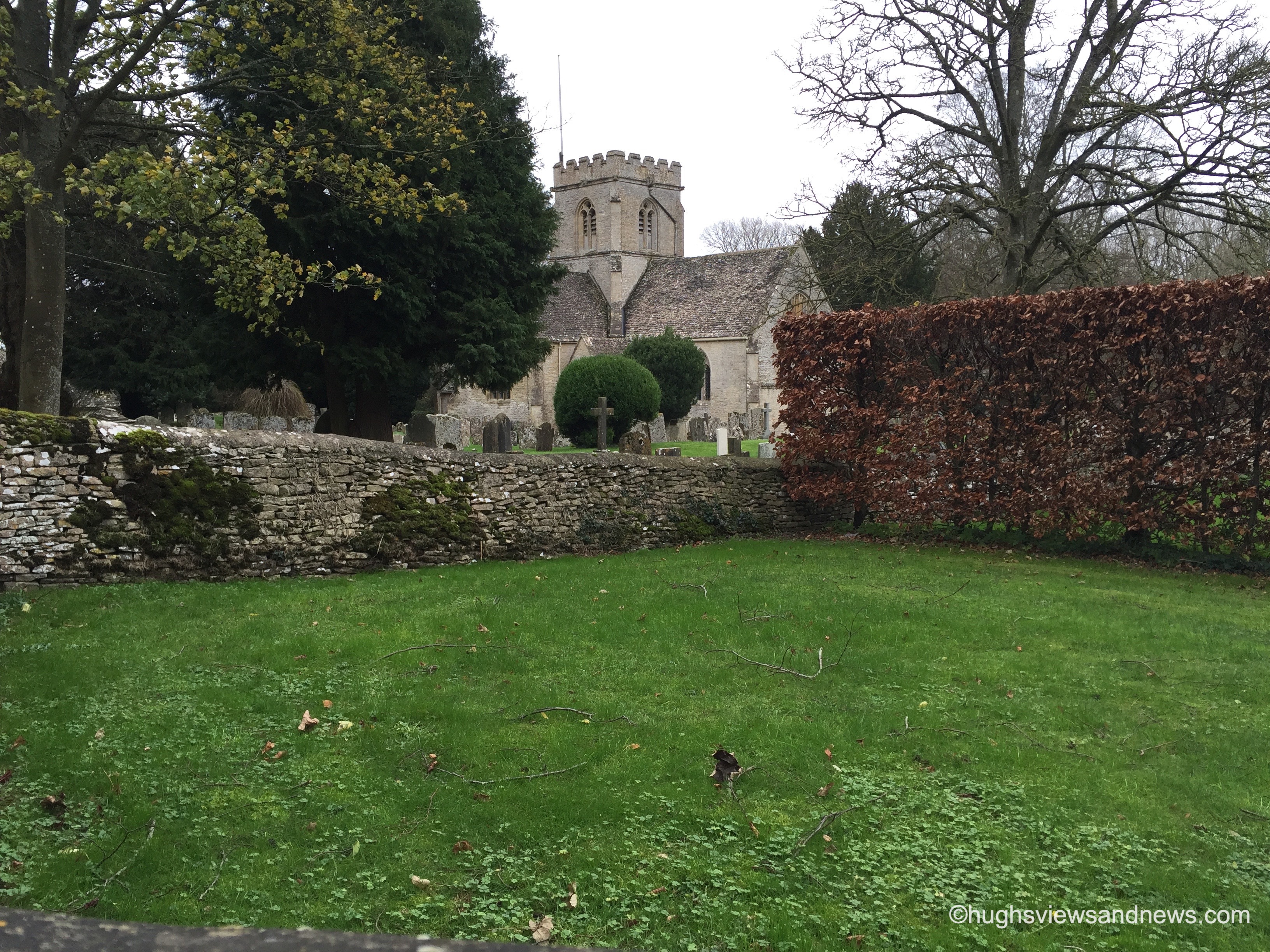
If Hell is below us, why do we still bury some of the dead in the ground?

Can only the dead answer the questions we have of death?

Do you ever wonder who the last person will be that you will see before closing your eyes and allowing death to take you on your next journey? Is there another journey after death? Are there journeys for all of us, none of us, or just some of us?

Some of us still have a birthday to look forward to this year, while the rest of us may be looking forward to a birthday next year. But what about our death day? During the last 12 months, we’ve all passed the date in the month we are going to depart this world (our death-day). Do you ever wonder about that date, knowing that it passes you by every single year?

Does not knowing the date of our death day make us better people or make our lives any more comfortable? If you knew the date of your death-day, would you change anything about the way you live your life? Would you ensure you became a better person and made the most of every single moment of your life?

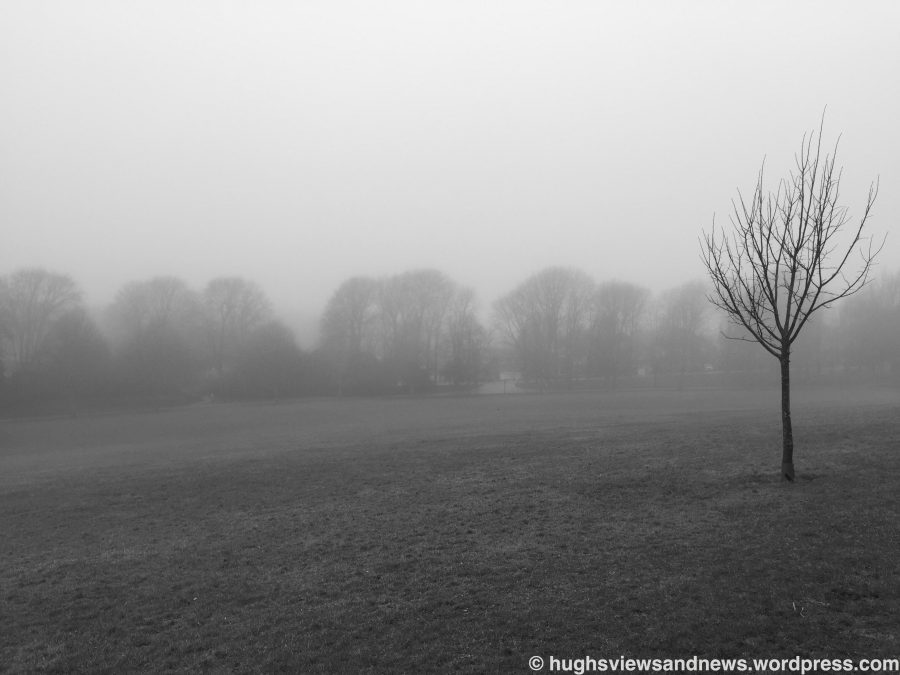
#death #trees #fog #life

Do we become isolated when we die?

Would you visit those you seldom see more often knowing that you may soon lose the chance ever to see them again?

Like my step-father did, would you ensure that loved ones are taken care of by preparing for your death? As well as celebrating a birthday, shouldn’t we all celebrate our death day?

Has the location of our death already been chosen for us?

I’ve often wondered about the place where I am going to die. Is that place already somewhere I know or is it somewhere I’ve yet to visit? Will it be at home? Will it be in a shop, theatre, cinema or a bar? What season will it occur? What day of the week will it be? Perhaps, Friday (the day I was born)?

Will I be with others who all have the same death-day as me, or will I be on my own? I don’t know about you, but I don’t want to be alone when death approaches me. I want to be with people (just as I was on the day I was born).

I’m not sure about being surrounded by my family and friends at the time of my death. I don’t like the thought of them watching me pass away. It wouldn’t be fair to them, would it?

However, being surrounded by total strangers seem alright. I wonder if those strangers are already in my life or if I’ve yet to encounter them?

I don’t like to think about myself dying in a hospital bed or on a beautiful beach in full sun. Although I love living by the sea, the feel of sand on my skin is something I’ve never been fond of experiencing, yet its beauty attracts me.

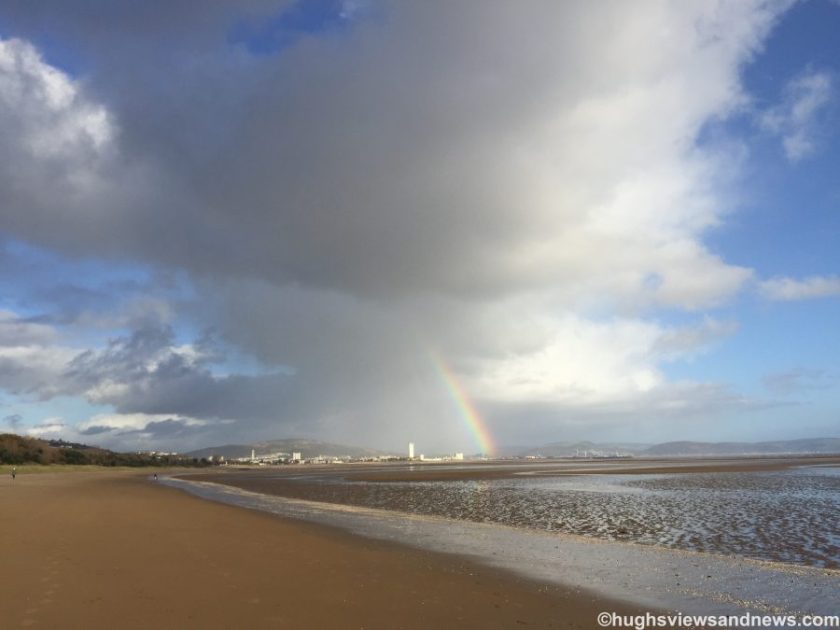
Rainbow over Swansea

Can I become a rainbow when I die?

I do like the thought of dying while sitting in front of the TV, especially if what I am watching is making me laugh or feel happy.

Does the way we’d like to die change as we grow older?

When I was younger, the thought of passing away while in a passionate embrace was something I thought was one of the best ways to die. However, as I grew older, I started to think about how unfortunate it would be for the person with me at the time. Now, I wouldn’t want to find myself in that position. Would you?

Final thoughts

When I pass away, will anything or anybody replace me? How do I convince people not to be sad that I am no longer here? I want them to celebrate my life, not my death. Does grief have to come hand-in-hand with death? Even if it is a stranger who has just entered my life when I close my eyes for the final time, and sadness will be erased away by time, won’t it?

There is something about death that I do know. While we are still here, we should do all we can to ensure that the sadness that often comes with death is not the kind that buries its roots deeply into those that we leave behind.

Do the dead leave us behind, or are we leaving them behind?

Copyright © 2019 hughsviewsandnews.com – All rights reserved.

True Stories: Gay Memories – Coming Out Of The Closet #LGBTQI #LGBT

One of the biggest regrets of my life is that I never sat down with my mother and told her that I am gay. I chose, instead, the easy option of writing to her and telling her that I was a homosexual.

Facing Mum for the first time after writing that letter, I felt very nervous as I travelled to her home. I hesitated several times before walking up to the front door, ringing the doorbell, and announcing my arrival.

What a shock I got when she came towards me with open arms and, as she gave me one of her wonderful hugs, heard her whisper, “I always knew, I don’t know why it took you so long to tell me.”

Mum & Hugh
Me and mum. Taken sometime in the 1980s, just after I had told her I was gay.

Not all my family was like mum, though. Some told me they were having difficulty accepting what I was because it wasn’t the sort of thing that happened to men in the area we came from. Hurtful words, but I already knew that the best thing I could do was to keep away from those who were upset by the life I was given, and let them live their lives as they wanted.

Over the years, I regained contact with some of those family members and, thankfully, have the changing face of society to thank for bringing us back together.

The fact that, in the past, there had been a few other men in the family who had never married never seemed to raise any suspicions that the family included gay people. It may have been discussed, but never while I was in the room.

I don’t know if any of those men ever ‘came out.’ Probably not, but it must have been tough for those who were gay when they lived. This made me more determined to live my life as I wanted and not as others expected me to.

Moving to live and work in London in 1986 was one of the most important decisions I’ve ever made. Although the city acted like a wall that seemed to shield gay people, I was still struggling to ‘come out.’

It was a strange situation because the first two jobs I took in London were in industries where other openly gay people worked.

When I took my next job, which would last 23 years, it took me six years to come out, and that was only when I heard the words “Do you mind if I ask you a personal question?” Of course, nobody cared that I was gay, yet for all those years I had been terrified of what some of my work colleagues would think about me had I ‘come out’ of the closet.

Fast forward to today, and being gay is widely accepted by much of society. Or is it?

When we moved to our current home in South Wales, both my partner and I felt a little hesitant about whether people would accept us. There are fewer residents here than in the area where we had lived for over 30 years. We were returning to that place where I’d been told that ‘being gay didn’t happen.’ We could not have been more wrong!

People have been so welcoming, and we’re as much a part of the community as anyone else. Strange, though, is that every now and again, when I meet somebody for the first time and am asked who the other guy who walks our dogs is, I find myself hesitating before saying, “He’s my partner.”

Maybe some of the scars from our past never heal?

Rainbow over Swansea
Swansea Bay. A 5-minute walk from our new home.

All photos in this post belong to me, Hugh W. Roberts

© 2017 Copyright-All rights reserved-hughsviewsandnews.com.

The Day I Almost Married Lara Croft

What? I almost married Lara Croft? OK, I don’t mean ‘the’ Lara Croft, do I, just somebody else with the same name as her?

Well, no, I mean the most famous Lara Croft there has ever been. She is a full- has the body most men desire and most women envy.time tomb raider and

Our relationship started in August 1997 when a friend loaned me a copy of “Tomb Raider” for the Sony PlayStation 1. I’d had the PlayStation for some months but was already bored until my friend introduced me to Lara Croft.

When I inserted the game disc into the PlayStation and pressed the play button, I fell in love with the only woman who would ever pull at my heartstrings.

I would spend countless evenings, nights, and weekends with Lara. It even got to the point that I would no longer go out on a Saturday night. Instead, I would spend the evening at home with Lara while my friends danced the night away, having fun, socialising, meeting new people, and enjoying each other’s company, while I only had eyes for Lara.

She’d take me to far-off places worldwide, Peru, Mongolia, Egypt, and India, to name a few. She’d protect me from killer bats, bears, lions and weird monsters I never knew existed. I followed her everywhere and ensured nothing horrible happened to her while on our travels.

I even remember that Saturday afternoon, I sat down with her at 5:15, and before we knew it, the clock told us it was 4.05 Sunday morning. But it didn’t matter then, as we were both in love and saw each other daily.

The day we got engaged was beautiful. By now, I knew I had met the perfect woman, and I was sure that Lara felt the same way about me. Why wouldn’t she? After all, I’d spend all my free time with her and tell my work colleagues about her. I know some of them envied me for having caught myself one of the most beautiful and sexiest women in the world, but others were happy for me and wanted to hear more about the adventures Lara and I were having.

I begged Lara to let me buy her an engagement ring, but she was having none of it. Well, not at that moment anyway, as she had dangerous work and would never forgive herself if she lost the ring while working. She promised me I could buy her an engagement ring just as soon as she had solved the mystery she was working on. But that day never came, and it wasn’t long after that when things started to go downhill, and our wedding day kept getting further and further away.

I’d gone everywhere with her on her first two adventures. While she worked at solving mysteries and puzzles, I earned the money that would pay for our wedding and first home together. We both knew that nothing could part us when she started her third adventure, but how wrong we would be. I’ll be honest and say that her experiences were getting too difficult for me. But that was because I’d started going out again, socialising, meeting friends, having a real laugh, enjoying the world around me, catching up on gossip, TV and the movies. Meanwhile, Lara continued her adventures without me, never wanting to accompany me.

“Most of your friends don’t like me”, she’d told me the day it all went pear-shaped, and I’d realised she was right. I also learned that Lara had put quite a big gap between my friends and me and that I was almost losing them and my life! Not only that, but she’d also put a strain on another relationship, the most important one, the one I’d had since 1993 and, to this day, is stronger than ever. Would my partner ever forgive me?

I finally ended my relationship with Lara and called off the wedding. I thought she’d be distraught, especially when I told her I was also selling my PlayStation. But she simply walked away with the man who had purchased the PlayStation from me, and I never heard from her again.

Do I have any regrets about what happened? No. I’m happy I found my life again and have never been tempted to contact Lara…Ever!

Featured image created using WordPress AI Image Generator.

© 2015 Copyright-All rights reserved-hughsviewsandnews.com.