
7 Common Blogging Mistakes and How to Avoid Them for a Successful Blog

We’re all human, so we all make mistakes. When it comes to blogging, whether bloggers are just starting out or have been writing for a while, some make more mistakes than others.

But what are those mistakes? And do some bloggers not make any mistakes at all?

1. Not Defining a Target Audience

One of the most critical mistakes of bloggers is not clearly understanding their target audience. Writing for everyone often leads to writing for no one.

Solution:

Take some time to define your ideal reader. Consider their demographics, interests, and problems they want to solve. Tailoring your content to a specific audience will make your blog more focused and engaging. For example, I target most of my posts at other bloggers by giving blogging tips and helping to solve problems users are experiencing with WordPress.

2. Ignoring SEO (Search Engine Optimization) Best Practices

SEO might seem daunting, but ignoring it can severely limit your blog’s visibility. Many bloggers neglect to use relevant keywords or proper formatting that can help their posts rank better in search results.

Solution:

Invest some time in mastering the essentials of SEO. Consider creating blog post titles with keywords that appeal to visitors and make them want to read your posts.

If you’re not interested in attracting more traffic or followers to your blog, you can disregard SEO.

3. Inconsistent Posting Schedule

Consistency is key in the blogging world. Many new bloggers either post too sporadically or overwhelm their readers with too much content at once. I’m guilty of this mistake, having cut back on how often I publish posts.

Solution:

Develop a realistic posting schedule that you can maintain. Whether it’s once a week or biweekly, staying consistent helps build an audience that knows when to expect new content. Some will not publish any posts for many weeks or months and then suddenly publish many posts within a short time as if they are in a race. Space the publication of posts out to give readers time to read and engage before publishing your next post.

4. Failing to Promote Content

Creating great content is only half the battle; the other half is getting that content in front of readers. Many bloggers publish their posts and assume readers will find them, which rarely happens unless you have a loyal audience who reads all your posts.

Solution:

Share your blog posts across various social media platforms, engage in relevant online communities, and consider using email marketing to reach your audience directly. Never believe that an audience will find you.

5. Not Engaging with Their Audience

Some bloggers overlook the importance of conversing with their readers through blog comments, social media, or emails. Never ignore your audience.

Solution:

Make it a priority to respond to comments and questions, ask for feedback, and create a community around your blog. Engaging with your audience not only builds loyalty but also provides you with valuable insights into what they want to see.

6. Neglecting the Visual Aspect

A blog’s visual appeal can significantly impact reader retention in the internet age. A blog that looks outdated or cluttered can deter visitors.

Solution:

Invest a little time learning about basic design principles, using user-friendly blogging tools and updating your blog’s theme. Choose clean layouts, appealing colour schemes, and high-quality images to enhance your blog’s aesthetic.

You don’t need to spend tens of thousands on re-branding, but if your website still looks stuck in 2015, it’s worth updating. People judge quickly. A blog’s look and design play an enormous role in how professional (or trustworthy) it looks.

7. Writing Without a Clear Purpose

Blogs that lack direction can confuse readers and fail to deliver value. Having a clear purpose behind each post is essential.

Solution:

Before writing, outline what you want to achieve with your content. Are you aiming to inform, entertain, or persuade? Staying focused on your purpose will guide your writing and make it more effective.

Conclusion

Recognising these common mistakes is the first step toward becoming a successful blogger. By defining your audience, optimising for SEO, maintaining consistency, actively promoting your content, engaging with readers, improving your blog’s design, and writing with a clear purpose, you can significantly improve your blogging experience and expand your reach.

Keep these tips in mind as you continue your blogging journey. Good luck!

Do you have any blogging mistakes you’d like to share? If you’ve faced challenges or learned valuable lessons throughout your blogging journey, I would love to hear about them! Please leave the details in the comments section and join the discussion. By sharing your insights, you can help others avoid similar pitfalls and foster a supportive community of bloggers eager to enhance their craft. Let’s learn from each other and make our blogging experiences even more rewarding!

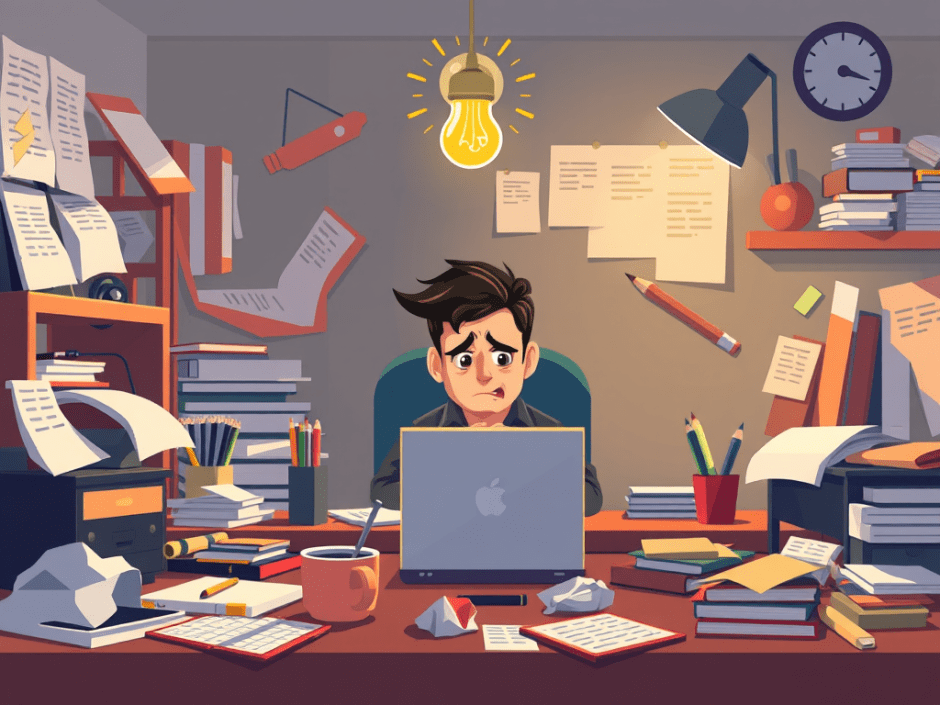
The featured image and title of this blog post were generated using the WordPress AI blocks.

I’m getting tough with non-engaging comments. Any non-engaging comments such as ‘Nice post’ are marked as spam.

Click the buttons below to follow Hugh on Social Media

Copyright @ 2025 hughsviewsandnews.com – All rights reserved.
Stressed Or Feeling Guilty About Blogging? Please Read This Post. Let’s Keep Blogging Fun

It’s happening again. Bloggers are saying that blogging is stressful or makes them feel guilty.

Blogging is becoming a chore.

They don’t have time to read and comment on all the blog posts of all the blogs they follow.

They’re constantly apologising for not reading, commenting or publishing new blog posts.

They don’t have time to keep up with a blogging schedule they set themselves.

They feel obliged to read and comment on everything because those bloggers read and comment on their blog posts.

Let’s get something straight about blogging. Nobody expects you to read and comment on all their blog posts.

Image with a light blue background with the words 'Stressed Or Feeling Guilty About Blogging? Please Read This Post. Let's Keep Blogging Fun' in white text.
Do you suffer from blogging stress or guilt? Read this post.

Just because Susan and Jenny read and comment on all of each other’s blog posts doesn’t mean you have you. And believe me when I say that Jenny and Susan won’t have always read each other’s blog posts. They may have left comments, but those comments don’t prove they read the post.

Nobody cares if you don’t read and comment on all their posts.

Nobody says it’s your obligation to read and comment on all their posts because they read and comment on all your posts.

Nobody? Well, not quite. The only person who may feel obliged or think they must read and comment on all the posts of the blogs they follow is you.

One of the biggest pitfalls of blogging is feeling obligated.

Once again, I’ve been reading blog posts, comments, and social media posts where people ask for advice because blogging has got to the stage of stressing them out and/or making them feel guilty.

They seem to feel that not reading and commenting on every post is some kind of a blogging crime and will land them in blogging jail.

I’ve written before about the stress and guilt blogging can bring (if you allow it) and know exactly how these bloggers are feeling, having been through the whole blogging ‘feeling guilty’ trip myself.

So, allow me to explain why you never need to feel stressed or guilty about blogging or never need to apologise for not reading, commenting or publishing blog posts.

Why did you start your blog?

One of the reasons why I signed up for WordPress was because I thought blogging would be fun.

One year in, I became very stressed and guilty because I couldn’t keep up with reading all the new blog posts published by the bloggers I was following.

I was following way too many blogs, many of which didn’t interest me anyway.

Some days, I found myself doing little else but reading and leaving non-engaging, spammy comments on blog posts. You know the types of comments. Things like ‘Great post,’ ‘I enjoyed this’, or one-worded comments that meant nothing.

Some of the bloggers I was following were publishing more than one post daily, and I soon found myself apologising to people for not reading their posts or not being on WordPress 24 hours a day!

Then it struck me that I was not doing the main thing I’d come here to do – write!

Although I possess a few superpowers, I’m afraid that one of them is not being able to read every new blog post from bloggers I follow.

I began to see this as a problem. Blogging was becoming a monster, and I was doing everything possible to make me want to fight it.

Then, one morning, I woke up, switched on my computer and got that horrible feeling I would get when I didn’t want to go to school or go to work.

I soon realised that I had two choices about blogging. Either I gave it up, or I had to change the blogger I had become.

It didn’t take me long to make my choice. After all, I’d created my blog to write and share my thoughts with anybody who stopped by and wanted to listen to what I had to say.

I decreased my reading time and began to write more.

I stopped following every single blogger who followed my blog. If they didn’t have an ‘about me‘ page so I could find out more about who they were, or they blogged about subjects that did not interest me, then I did not follow back.

If bloggers kept sending me messages begging me to follow their blog, I ignored them.

I stopped feeling guilty for not following back.

As time passed, I began to unfollow bloggers whose blog content I didn’t find interesting anymore.

I stopped reading blog posts that did not interest me, regardless of who had written and published them.

I unfollowed some bloggers who continued to fail to respond to questions or acknowledge comments other bloggers and I were leaving on posts.

I didn’t feel guilty about this because it freed up time for me to write, read, and comment on blog posts that interested me.

If you find yourself in a situation where blogging makes you feel guilty and/or stresses you out, then you need to face the questions I was asking myself.

I’m afraid there’s no magic answer.

What worked for me may not work for you, but whatever you do, ensure you do all you can to make blogging fun again.

Isn’t that the reason why you came here in the first place?

Take control of your blog and stop feeling guilty about not reading and commenting on every blog post or for unfollowing blogs that you no longer have any interest in.

Sure, you may lose some followers along the way (don’t we all?), but it’s not going to finish you off as a blogger.

In fact, they probably didn’t read your blog posts anyway and will have left short, non-engaging comments just to prove they visited, so it’s no big deal (unless your only interest is how many followers you have).

If, like me, you decide to stay (and I hope you do), your blogging passion will return.

Remember – Blogging is a marathon, not a sprint!

Have you ever found yourself feeling guilty or stressed out because of blogging? Are you somebody who keeps apologising because you’ve been unable to spend as much time as you like reading and commenting on posts? How did you get over feeling guilty or stressed out by blogging? Leave me a comment and join the conversation.

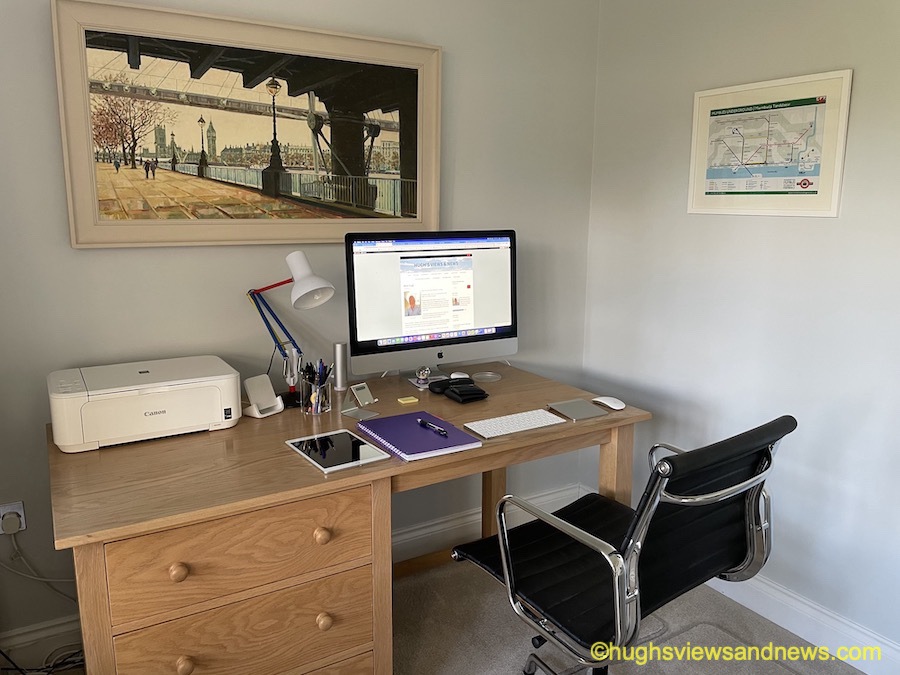
Photo showing Hugh's desk with a computer screen showing Hugh's home page of his blog.
Blogging should always be about enjoyment and fun.

Follow Hugh on Social Media. Click on the links below.

If you enjoyed this post and want more like it, enter your email address and click ‘Subscribe’ to stay up-to-date with my latest content.

Copyright @ 2024 hughsviewsandnews.com – All rights reserved.

Is Blogging Causing You Stress Or Making You Feel Guilty? How To Fix It

What makes you put your head in your hands or shake your head regarding blogging?

Recently, I’ve been shaking my head a lot when visiting the blogging world.

Some of my fellow bloggers worry me, and I’m concerned about their mental health.

I’m witnessing bloggers panicking, stressed, feeling guilty, or apologising because of how they blog.

Banner for the blog post 'Is Blogging Causing You Stress Or Making You Feel Guilty? How To Fix It'
Are you showing signs of stress because of blogging?

Here are some of the bloggers I am referring to. Are you one of them?

The Sprinters

Have you heard this quote?

Blogging is a marathon, not a sprint!

It’s a quote many bloggers acknowledge.

Sprinters rush around the blogging world every day as if they’re on a time challenge where they must read and leave comments on as many blog posts as possible within a certain amount of time.

The comments they leave are seldom engaging and are often empty. Instead of leaving a comment saying why they thought a post was great or why they liked a photo or reading a piece of fiction, they’ll leave a comment like, ‘Great story’ or ‘I enjoyed this.’

They don’t have time to leave engaging comments, so leave comments that’ll not make you want to engage with them other than maybe to say ‘Thanks.’

If they fail to leave comments on all the blogs they’re following, they believe they may upset someone. They need to prove they’ve visited your post, often by leaving an empty comment.

They often show signs of stress or pressure in the content they publish and the comments they leave.

They won’t read long-engaging posts because that wastes time and worsens their stress. They’re on a mission to read as many posts as possible in the time they have so they don’t upset anyone.

Why read a couple of interesting, engaging, long posts when you can read lots of short blog posts in the time it takes to read one fascinating post over 1,000 words that gets you and lots of other readers wanting to get into a discussion?

When I saw the above tweet from James, I punched the air with my fist. He makes a valid point. And it doesn’t only apply to new bloggers.

Blogging should never be about sprinting under pressure around the blogging world to see how many blog posts you can read and comment on in 20 minutes!

Those posts will still be there next week.

There is no such thing as being behind in blogging. Read, respond and leave comments when you have the time to do so.

Hugh W. Roberts

Ask yourself why you started blogging. Was it for enjoyment and fun? Or did you come to the blogging world on a mission to try and break the world record every day for the number of blog posts you can read and comment on so you don’t feel guilty or upset anyone?

Is rushing around the blogging world, feeling stressed out while leaving the same non-engaging short comments, fun?

Slow down, and engage with bloggers rather than trying to prove the point that you have visited their posts.

If you don’t have the time to read and leave comments, make time by reading less blogs.

Hugh W. Roberts

This brings me to…

The obliging blogger

In the next paragraph, I’ll ask you a question. Leave your answer in the comments section before reading the rest of this post.

Question: If a blogger reads and leaves comments on all your blog posts, should you feel obliged to read and leave comments on all their posts?

You won’t be surprised that my answer to that question is ‘No.’

But if you answered ‘Yes’, share your reasons in the comments section.

Nobody should feel obliged to read and comment on another blogger’s posts because they read and leave comments on all their blog posts.

Your time is precious, and wasting it by forcing yourself to read and comment on content that does not interest you is a waste of your time.

“But won’t the blogger who reads and comments on all my posts stop reading and commenting on my blog posts if I don’t return the favour?’

Yes, they may, but does it matter? And if they do, ask yourself this question.

‘Why am I following that blogger?’

If it’s because you genuinely enjoy reading their content, then, by all means, continue to follow them, but don’t feel obliged to read and leave comments on all their posts.

If a blogger gets upset with you for not reading and leaving comments on all their posts, consider unfollowing them.

Allocate the time you spent reading their blogs to the blogs you enjoy reading, and leave valuable, engaging comments on those posts rather than short, empty, non-engaging comments.

Tip: Make the first comment count and show that you genuinely want to engage.

Don’t get too upset if the blogger you’re trying to engage with doesn’t want to engage with you when they respond to your comment with nothing but a ‘Thank you.’

That’s your cue to think twice before engaging with them again.

If you don’t want to engage with a blogger after reading a post, press the like button and move on. After all, that’s why it’s there.

There is nothing wrong with not leaving a comment after reading a blog post if you’ve nothing of value to add. Stop acting like it’s a crime not to leave one.

Hugh W. Roberts

Don’t be tricked into feeling guilty if you don’t always leave a comment. I read many blog posts where I do not click the ‘like’ button or leave comments. Why? Because I have nothing of value to add.

Likewise, never feel obliged to follow a blogger who has followed your blog. There’s no harm in visiting their blog to check out their content. If you like it, by all means, follow back, but don’t follow them simply because they followed you.

The desperate blogger

This blogger comes in two forms.

The first are bloggers you’ve never received comments from, and suddenly they’ll leave a comment and link on one of your posts that begs you (and your readers) to check out their blog, read their posts and leave comments.

I’ve received lots of these types of comments recently.

Their comment won’t mention anything about the contents of the posts they’ve left their comment on, just a few words of desperation and a link to their blog.

You’ll see them leaving the same comment on other blogs. I never approve these comments, so you’ll never see them in the comments section of any of my blog posts.

These types of comments are often left by new bloggers looking for new followers and readers.

If you’re new to blogging, there are much better ways to gain followers and new readers than to leave uninvited links on other blogs. These posts list some tips that will help you gain new followers and readers.

New To Blogging? These Free Tips On Leaving Comments Will Help Bring New Visitors To Your Blog

Are You Struggling To Get People To Your Blog? These 7 Free Methods Will Help

The other type of desperate blogger is someone who has previously left some engaging comments but unexpectedly starts dropping links to their posts that have nothing to do with the content of your post, asking you to read and comment.

I’ve said this many times before. Other blogs are not places for you to leave links unless the host has invited you to leave them. For example, in my Wordless Wednesday posts, I invite bloggers to leave links to their Wordless Wednesday posts.

If you have a post you’d like to share with a blogger in the comments section because it’s connected to their post, ask for permission to leave the link first.

Many bloggers class uninvited links as spam and move comments that include them to the spam folder or bin.

How do you deal with uninvited links left in the comments section of your blog?

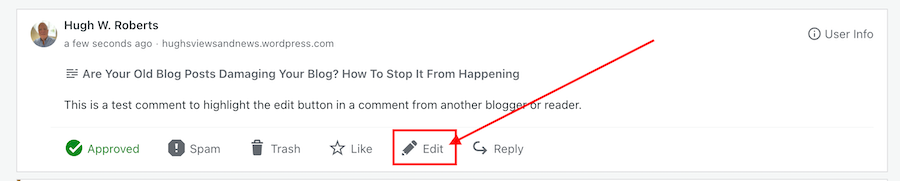
I edit them out before approving the comment by pressing the edit button.

Image highlighting the edit button on a comment on a WordPress blog
Click edit to edit out uninvited links from bloggers

Remember to save the changes and then approve the comment. Most bloggers leaving uninvited links soon get the message.

Let’s wrap it up

  • Never feel pressured to read and comment on too many blog posts when you don’t have the time.
  • Read and leave engaging comments on a few blog posts a day/week rather than try and read and leave empty, non-engaging comments on all the blog posts of those you follow.
  • Never feel obliged to follow a blog simply because they followed you.
  • Don’t force yourself or waste time reading blog posts that do not interest you. Instead, invest your time reading and engaging with bloggers who publish content that interests you.
  • It doesn’t matter if you don’t read a blog post today. It’ll still be there to read in a week or when you have more time.
  • Don’t feel guilty if you do not get around to reading all the blog posts you want to read and comment on.
  • If you have nothing of value to add in a comment, rather than leaving short, empty, non-engaging comments, click the ‘like’ button and move on.
  • Other blogs are not the place to leave uninvited links promoting your blog.
  • Edit out uninvited links before approving comments.
  • Remove any thoughts of thinking you’re behind with blogging and have to catch up. Read and comment on posts when you have the time to do so.

Are there any examples of blogging that have you holding your head in your hands, shaking your head or concerned for other bloggers? Please share them in the comments section.

Follow Hugh on Social Media. Click on the buttons below.

Copyright © 2022 hughsviewsandnews.com – All rights reserved.
79 Ways To Kill Your Blog

Have you ever killed your blog?

Did you know that a blog can be killed other than by just deleting it?

While not all of the items on the following list will kill your blog instantly, some are what some call slow burners, where the killing of your blog will take much longer.

Banner for the blog post '79 Ways To Kill Your Blog'
Are you thinking of killing your blog?

Are you responsible for doing any of these to your blog?

  1. Don’t have an ‘about me’ page on your blog.
  2. The ‘about me’ page takes visitors more than a minute to find.
  3. The ‘about me’ page starts with these words – ‘this is an example of an about me page…’
  4. The number of followers is more important to you than what you write and publish.
  5. Publishing too many poor-quality posts due to rushing them.
  6. Believe you have to publish content several times daily; otherwise, nobody will visit your blog.
  7. Have links on your blog that you have no idea are broken or can not be bothered to fix.
  8. You do not respond to comments.
  9. You do not respond to questions or queries.
  10. Don’t allow anyone to leave comments on your blog.
  11. Ignore your readers.
  12. Do not treat visitors to your blog as guests.
  13. Don’t give yourself a name by which you can be addressed in the comments section.
  14. Do not read other blogs.
  15. Do not leave comments on other blogs.
  16. Believe that blogging is going to make you rich.
  17. Believe your blog will make money within the first year.
  18. Leave links with no relevance (usually to your own posts) on the posts of other bloggers when not invited to do so.
  19. Don’t believe you need to promote your blog.
  20. Refuse to use social media to boost your blog posts.
  21. Refuse to keep up to date with blogging technology and changes.
  22. Think readers will find you rather than you find your readers.
  23. Do not use enough ‘white space’ between the paragraphs in your blog posts.
  24. The paragraphs on your posts are too long and blocky (more than 5 sentences long).
  25. Have no way readers can contact you on your blog other than by leaving a comment. (No ‘contact me’ page).
  26. Do not thank people for sharing your posts on their blogs.
  27. Do not use images and/or photos in any posts.
  28. Use images, photos and words (including lyrics) on your blog which are copyrighted and not free to use.
  29. Do not ask permission to use photos and/or images owned by other bloggers before using them.
  30. Ignore all copyright advice.
  31. Respond to constructive, negative comments in an unprofessional and unfriendly manner.
  32. Allow other bloggers to spam your blog with links that have nothing to do with the post’s content.
  33. Keep begging other bloggers to reblog your posts, visit, or follow your blog.
  34. Leave worthless comments on other blogs.
  35. Leave worthless comments on other blogs which clearly show you’ve not read the post.
  36. Do not take time to edit posts before publishing them.
  37. Do not preview your posts before publishing them.
  38. Inundate followers with too many posts in a short space of time instead of scheduling them out.
  39. Respond to comments left by trolls in the comments section of your blog, where all can read them.
  40. Allow trolls to leave comments on your blog.
  41. Allow trolls to attack other bloggers who have left comments.
  42. Personally attack other bloggers in the comments section on your own or different blogs.
  43. Steal the ideas of other bloggers and publish them on your blog as if the content is original and has been written by you.
  44. Fail to maintain and house-keep your blog regularly.
  45. Keep reblogging or rescheduling your own posts which are less than a few months old.
  46. Do not have a ‘landing’ page that will keep visitors returning.
  47. Ignore advice and feedback from other bloggers.
  48. Believe that blogging will only take up a few minutes of your time every week.
  49. Wake up and dread opening up your blog because of all the comments you will need to reply to.
  50. Keep telling your readers that you are giving blogging up, and keep coming back.
  51. Allow blogging to stress you out.
  52. Allow blogging to make you feel guilty.
  53. Your blog and/or blog posts are poorly laid out.
  54. Choose a font and background combination that makes it hard for visitors to read your posts.
  55. Fail to categorise all your blog posts (including reblogs).
  56. Fail to add ‘tags’ to your blog posts.
  57. Don’t understand ‘pingbacks’ and how to use them.
  58. Have no ‘search’ bar on your blog.
  59. Have a menu that is too top-heavy, making it overwhelming to readers.
  60. Fail to add your blog details to your gravatar.
  61. Fail to connect your social media accounts to your blog.
  62. Have pop-up boxes on your blog that can not be removed unless somebody subscribes to your mailing list.
  63. Have pop-up boxes on your blog which keeps popping up every time someone visits or until they have subscribed to your mailing list.
  64. Keep suffering from blog envy when you read a post you’d wish you’d written.
  65. Regularly publish posts that tell your readers to buy your book(s) or other products and services you offer rather than allow them to decide if they want to buy them.
  66. You believe that blogging is all about the number of blog posts you can publish daily rather than what you are writing about.
  67. You think you have the power to read and comment on every new blog post on all the blogs you follow.
  68. Fail to update your readers that you are about to take a blogging break and how long it will last.
  69. Lose motivation and a desire to continue blogging when your blog stats take a nosedive.
  70. Believe that everyone will enjoy reading every post you write and publish.
  71. Believe that all your followers will read and comment on all your posts.
  72. Get upset when your blog loses followers.
  73. Argue with bloggers and readers for failing to read and comment on all your blog posts.
  74. Follow other blogs in the hope that they will follow back before unfollowing them again.
  75. Believe all your readers will agree with everything you say in your blog posts.
  76. Think nobody will dare to disagree with what you have to say by leaving a constructive comment telling you why they disagree.
  77. Criticise other bloggers behind their backs (in the comments section of your own blog or on other blogs) for wanting to help other bloggers.
  78. Maintain too many blogs, thus spreading yourself too thinly.
  79. Fail to take some time away from blogging (knowing that you need to) because you believe the blogging world can not survive without you.

What about you? What would you add to the list? How would you kill your blog other than by deleting it?

This is an updated version of a post I wrote and published in 2017.

You can find the answers to solving many of the above issues by clicking on ‘blogging tips’ in the menu at the top of my blog, but feel free to leave any questions in the comments section. I’m always happy to help.

Whatever you do, keep blogging fun!

Copyright © 2022 hughsviewsandnews.com – All rights reserved.