
How many blogs do you follow?
How many of those blogs do you regularly visit and comment on?
How many of those blogs do you never visit? I bet most of you never visit at least a few. Yes? Then why are you still following them?
I used to follow over 500 blogs! I merely followed many because they followed me first.
What a big mistake that was!
New blog posts were continually dropping onto my WordPress reader and email box.
It wasn’t long before I started to feel overwhelmed by it all and realised I couldn’t possibly read and comment on every new blog post. Only fools try doing that.
Then, I started feeling guilty about not having enough time to visit and comment on every blog I followed.
Something had to change.
I decided to go through all the blogs I followed and unfollow some of them – gulp! Shock horror. Wouldn’t that upset somebody?
Today, I’m following 55 blogs, and I’ve set myself a target of never exceeding a total of 75.
For some, that may seem like a lot of blogs to follow. For others, not enough. But it’s the perfect balance for me.
But what mistakes did I make when following blogs?
1. Following blogs that publish content I had no interest in
Seems obvious, doesn’t it? But look through the list of blogs you follow and count how many of them publish content you’re not interested in reading.
Then, ask yourself why you are following them.
Many of the blogs I unfollowed were blogs that followed my blog first. I felt it polite to follow back even though I had no idea what content they published.
It was like buying a car without having test-driven it first.
Before following a blog, check out some of the posts and ask yourself these two questions.
Does the content interest me enough to keep me coming back?
Does the content motivate me enough to leave engaging comments?
If you answer ‘No’ to the first question, then don’t follow.
Some bloggers you unfollow may unfollow you but don’t get yourself all worked up about it. It’s no big deal.
My blog loses followers almost every day. If readers no longer find my content interesting, they have every right to unfollow me.
2. Following unfriendly blogs
Two things that I dislike in blog posts are lots of swearing and belittling others. Even worse is swearing in blog post titles. There’s no need for it.
I’m adult enough to know that most adults do swear, but when there’s too much of it in blog posts, or there isn’t any need for it, then I won’t follow.
The same goes for bloggers who publish content that belittles other people or criticises them for how they live, look, write or talk.
By all means, warn readers at the beginning that a post contains swear words or may offend, but never swear at or criticise others in the post or comments section.
If you think you’ll be offended by the content on a blog or in its comments section, don’t follow it.
3. Following non-engaging blogs.
While reading blog posts, remember to check the comments section to see if the blogger responds to them. If the comments are all one-way, think seriously before following and commenting.
If they don’t respond to comments (especially on their ‘about‘ page), ask yourself if the blog is worth following.
If the content is interesting, then, by all means, follow, but think hard about whether it’s worth trying to engage with the blog host.
If they do respond, look at the way they respond. Are they lazily interacting with their readers? Do they respond to all comments in the same dull, non-engaging manner (e.g. ‘Thanks for reading!’)?
Even though a blogger may respond to all the comments, if they are not engaging with their audience, ask yourself if it’s worth leaving comments and following their blog.
4. Following blogs that could damage your health
There are lots of things that can damage your health when online. For example, too much screen time, addiction to social media and reading too many negative articles or comments.
One of the worst things that can happen to a blogger is feeling overwhelmed, stressed or guilty. This usually occurs when they can’t keep up with reading blog posts or leaving comments. It also happens when a blogger feels obliged to read and comment on other blogs simply because that blogger follows and comments on their blog.
Don’t feel obliged, guilty, or stressed because certain bloggers comment on your posts.
If you’re following blogs that you believe publish too many daily posts, think about unfollowing them or turning off notifications for those posts when they are published.
Of course, we can ignore all those posts, but don’t fall into the trap of thinking you could miss out on something if you don’t read or comment on them all.
Remember to make the most of setting up to receive notifications on a daily or weekly basis rather than every time somebody publishes a new post. This gives you the power to pick and choose which posts to read.
5. Following ghost blogs
I’ve mentioned it many times before, but the first thing I now do before deciding whether or not to follow a blog is to visit its ‘about’ page. If there isn’t one, I consider it a ‘ghost blog.’
If there isn’t an ‘about’ page, it isn’t easy to find, is outdated, or doesn’t contain any interesting information, I won’t follow.
Why? I want to find out about the person behind the blog before deciding whether to follow it.
If the site owner doesn’t care about having an ‘about’ page or updating it, the rest of their blog could also be outdated and not worth your time.
A blogger who does not care about their blog won’t care about their audience.
6. Following uncared-for or neglected blogs
If a new blog I’m visiting is eye-catching, well-organised, easy to navigate, has excellent content, feels friendly, and seems a great place to be, I will press the follow button.
After all, if it looks and feels good and the content is interesting, I will likely read posts and leave engaging comments.
If a blog’s design is poor, it takes too long to download, it uses a font that is too small to read, it has a brightly lit background that produces stars in front of my eyes, it hasn’t been updated in years, or it has lots of broken links, then I’ll move on quickly.
If a blogger doesn’t care about their blog, they are unlikely to care about their audience.
7. Following the blogs of trolls
We talked about checking out responses a blogger leaves to comments on their posts, but are those responses written in a friendly manner? And do they leave unfriendly comments elsewhere?
Because we blog or leave reviews, not everyone will agree with what we have to say.
I’ve witnessed many rude comments from the host and readers on many blogs.
I’ve been the victim of rude and unfriendly comments on other blogs where I’ve left a friendly comment. If the host of a blog responds to me in an unfriendly manner, I’ll unfollow their blog.
If a blog host allows other followers to attack readers without taking action, I will unfollow them.
I always respond to comments in a friendly, courteous, and professional manner, even if a reader disagrees with my words.
If there’s evidence of a blogger attacking somebody because they have not agreed with all or some of the content in a post or in the comments section, consider whether it’s worth following that blog.
Blog hosts should do all they can to prevent trolls from commenting on their posts. If they don’t, they probably don’t care much or have any concern about the welfare of their audience.
By all means, if the content of that blog still interests you, you can still follow and never leave any comments, but be careful when reading negative responses to comments, as they can often affect your mood.
Whatever you do, though, never respond to unfriendly comments by attacking the person who has left them. Leave the trolls alone. They’ll soon get fed up with not getting the attention they crave and will move on.

I’m looking for 20 new blogs to follow. If you’d like to recommend any, please leave a link to that blog and a couple of sentences about why I should follow. Please do not just leave a link as it will be deleted.
How many blogs do you follow? Is that number the right balance, or do you need to reduce the number? What factors are important to you when deciding whether or not to follow a blog? Join the discussion by leaving a comment.
Looking for blogging tips from Hugh?
WordPress Problems: Don’t Panic! How To Solve Issues Quickly
WordPress users often face problems, but they may not always be caused by their blogging platform. Device issues, internet browsers, poor blog housekeeping and retired themes can all contribute to problems.
My post outlines what to do if you’re experiencing issues with using WordPress.

Blogging Simplified: Adding Images From Your Phone To A WordPress Post
You can now add images to WordPress posts directly from your phone using the Jetpack app, with simple resizing options.
Read my posts for all the details.
WordPress: How To Close Comments: What You Need To Know
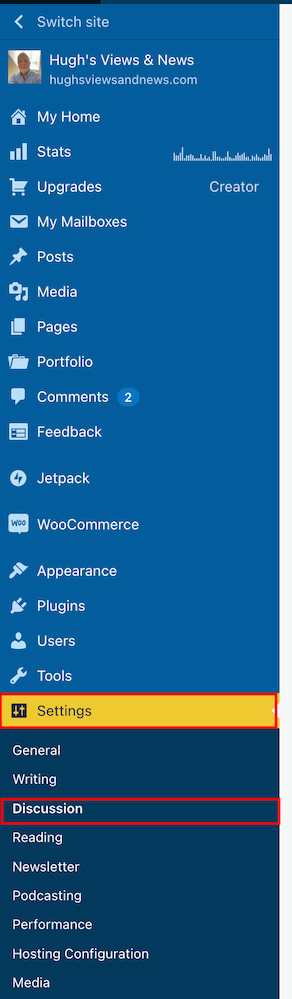
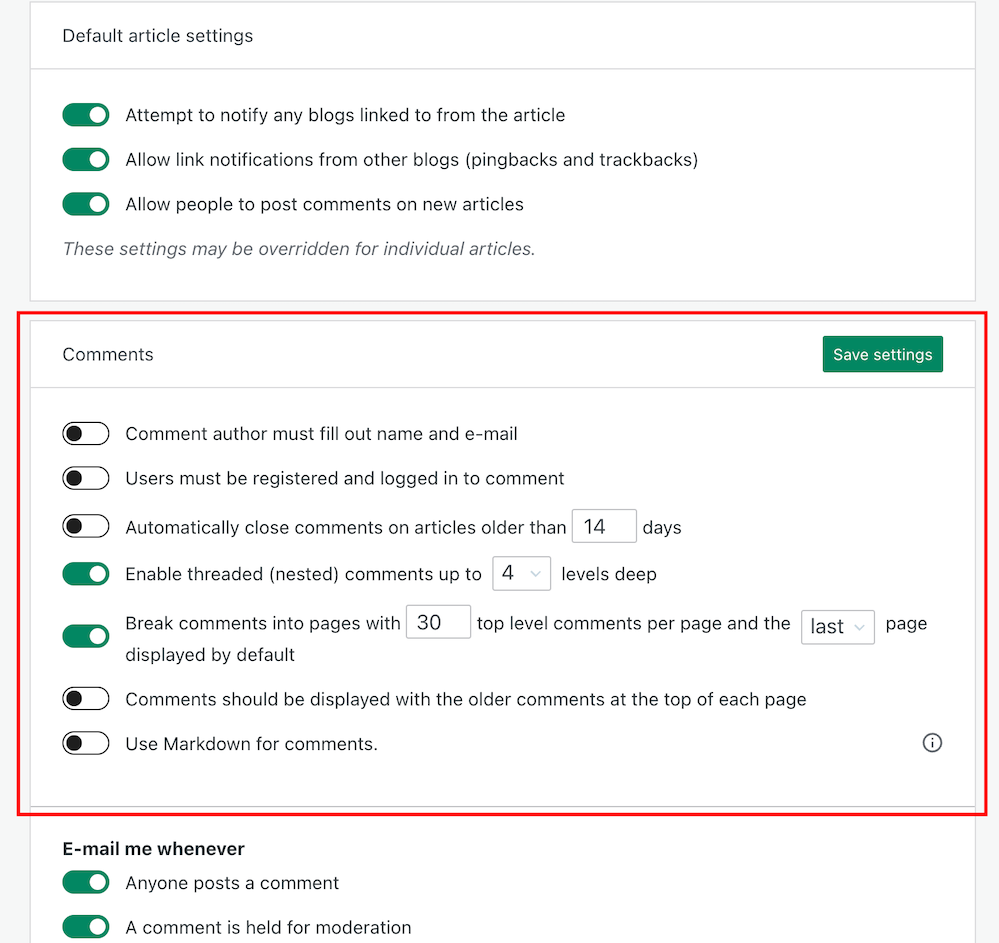
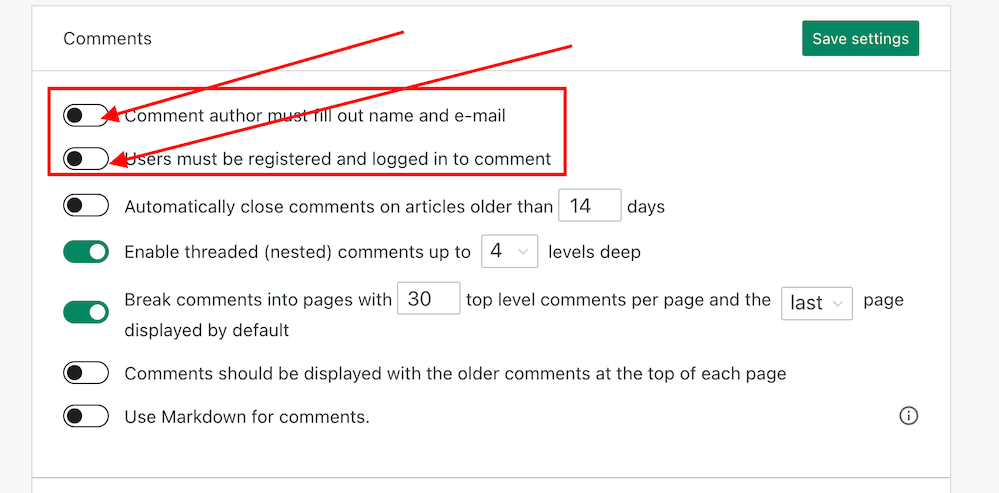
WordPress has relocated the ‘Discussion’ setting to a more visible and accessible position, simplifying the control of comments and pingbacks.
My post outlines where to find the ‘discussion setting’ and when you should consider turning comments off on specific posts.
To follow Hugh on Social Media, click on the buttons below.
Copyright @ 2024 hughsviewsandnews.com – All rights reserved.
 Hugh's Views & News