Essential December Blog Housekeeping to Keep Your Site Safe and Functional!

Over the past few years, I’ve published a post around this time of year outlining some jobs all bloggers can do to ensure their blog not only looks good but also functions correctly.

If you’re interested in what some of those crucial jobs are, my post from this time last year, ‘7 Essential, Easy Ways to Help You Blog Through December‘ gives full details.

One thing bloggers who never do any blog housekeeping refuse to believe is that many problems on their blogs originate from a lack of maintenance. They’ll blame WordPress, instead of themselves. Continuing to use an outdated theme can also cause issues and create a security risk.

One job all bloggers are recommended to do

One important task I am currently working on in the housekeeping aspect of my blog is reviewing posts and removing any images that I cannot be certain are entirely free to use. But why am I doing this?

If you have read my recent posts, ‘Where To Legally Source Amazing Images For Your Blog Posts‘ and ‘The Latest Blogging and Publishing Scams You Need to Be Aware Of Now‘, you’ll understand why.

The comments sections of both posts offer interesting reading, so I recommend taking a look.

I’m a personal blogger, so this won’t affect me!

Wrong! Just because you are a personal blogger, don’t think you are exempt from being fined for copyright infringement. Downloading and using copyrighted images, photos, song lyrics, and some GIFs in your blog posts is illegal; therefore, nobody should encourage bloggers to download or publish any copyrighted material.

Most of the images I deleted are from flash fiction challenges I used to participate in. However, I have also found some images in other posts where I either failed to give proper attribution to the source or used images from the host blogger that I could not guarantee were free to use when taking part in their link-up.

And don’t forget to delete those images and photos from your media library, too. Not only are they proof that you downloaded them illegally, but deleting them will free up valuable storage space.

Unless you are completely certain that images, photos, song lyrics and GIFs are not copyrighted and free to use, avoid using them. Sure, you might get away with it, but why risk a hefty fine?

Back to why December is the ideal time for some blog housekeeping

I’ve already had the pleasure of seeing bloggers bid farewell to their blogs and followers for the festive season, joyfully extending warm wishes to their readers for a Merry Christmas while eagerly expressing their intention to return promptly in the New Year.

An image of a festive sign that says 'back in 2026
Image created using the WordPress AI image generator.

Some have published their final posts of 2025, while others have happily shared their anticipated dates for a well-earned blogging break.

And who can blame them? Blogging is enjoyable, but all bloggers need a break from the blogging world. I’m taking a blogging break during the last few weeks of December.

For those who do not celebrate Christmas, December still provides a valuable opportunity to focus on blog maintenance and security. This can include reviewing and updating posts, auditing existing content for accuracy and relevance, fixing broken links, and improving website speed and SEO.

Furthermore, it’s an excellent time to review your blog’s design and user experience, making necessary adjustments to improve accessibility and engagement. By investing time in these areas, bloggers can keep a polished, secure platform ready to impress their audience in the upcoming year.

As December rolls in and its days dwindle, you’ll probably witness how much of the blogging world falls into a hush. So why let your blog languish in neglect? This is your golden opportunity to roll up your sleeves and give it the fierce love and attention it deserves, ensuring it runs flawlessly for another year.

Let’s wrap it up!

  • At least once a year, focus on housekeeping tasks to enhance your blog’s appearance and functionality.
  • Many blog issues stem from a lack of maintenance; outdated themes can pose security risks.
  • One essential task is reviewing and removing any images from posts and your blog’s media library that may not be free to use to avoid copyright infringement.
  • Personal bloggers are not exempt from potential copyright-related legal issues when downloading or using copyrighted materials.
  • December is an ideal time for blog maintenance as many bloggers take breaks. It’s an opportunity for bloggers to give their blogs the attention they deserve before the New Year.

Are you excited about some upcoming blog housekeeping or maintenance? If so, what fantastic plans do you have in store? Perhaps you’ve already tackled some blog maintenance—if that’s the case, I’d love to hear about the wonderful jobs you accomplished!

The featured image in this post was created using the WordPress AI Image Generator block. AI was also used for checking spelling and grammar mistakes.

Click the buttons below to follow Hugh on Social Media

Copyright @ 2025 hughsviewsandnews.com – All rights reserved.

Where To Legally Source Amazing Images For Your Blog Posts

The majority of bloggers understand the importance of visual content. Posts that include images receive up to 70% more traffic than those that contain no images. However, there is one major pitfall associated with using images in blog posts, which I will address shortly.

Images not only enhance the appeal of our posts but also help us communicate our messages more effectively. However, a key question remains: where do you source your images and photographs for your blog posts?

Are you breaking the law by using images that are not your own?

I’ve become concerned by the increasing number of bloggers using images or photos without giving credit to the owner or specifying the source of the image. Many of these images have been obtained from the internet; some are copyrighted and not freely available for use. Bloggers using these images and photos are breaking the law.

Some bloggers believe they will never be caught using copyrighted images and photos. They argue that their blog is too small for anyone to care. Nobody will come after them. However, I am aware of a few bloggers who have been prosecuted and fined for downloading and using copyrighted images and photos on their blogs.

It may also not have crossed the minds of some bloggers that there are serious consequences for using images and photos to which they do not have the rights in their posts. Hence, this post.

Where do bloggers get their images from?

Some bloggers, including myself, use stock photo websites that provide images and photos for free. However, even some of these can incur costs if the images are only free to use for a limited time or require the user to give full credit to the owner, along with a link to where the image was sourced. Always read the small print before using any images or photos that are not your own.

Here’s an example. The following image is from Pixabay, a website that offers a wide range of free-to-use images and photos.

An image of a desktop computer keyboard with the 'Copyright' trademark on it.
Image by Gerd Altmann from Pixabay

Notice that I have given credit to the person who created the image and where I obtained it from. The image is free to use, and although the content licence summary states ‘Use Content without having to attribute the author (although giving credit is always appreciated by our community!).’ I always include an attribute along with links to the source of the image.

Always check the content licence summary before downloading an image or photo from the internet and using it in a blog post. Ensure you follow any rules around the use of the image.

The perils of using copyrighted images

While it might be tempting to use appealing images from the internet, downloading and using copyrighted images and photos can result in serious legal trouble. Here are some risks to bear in mind:

Legal Consequences

Using copyrighted images without permission can lead to copyright infringement, which may result in potential legal action against you. This may result in hefty fines, the removal of your post, or even the closure of your blog, not to mention damage to your reputation.

Image Attribution Challenges

Even when images are shared with the intention of being used by others, understanding the precise attribution requirements can be confusing. Each source may have different rules, and failing to follow them can put you at risk.

Quality Concerns

Some free or low-cost images can often be of lower quality, which can damage the professionalism of your blog. Conversely, high-quality images usually come at a price, highlighting the importance of responsible sourcing. However, they can eat into your media space unless you reduce the size, which may then affect the quality.

The Perils of Reblogging

If you reblog a post of another blogger that contains images and photos, don’t think you are safe from prosecution if any of those images or pictures are copyrighted. You, too, could be fined for resharing images or photos that are not free to use, even though all you did was reblog the post. If you are not absolutely certain where those images and photos originated and whether they are free to use, don’t reblog the post.

Availability of Alternatives

Fortunately, there are many alternatives to using copyrighted images. Consider the following options:

  • Stock Photo Websites: Sites like Unsplash, Pexels, and Pixabay offer free images that are often licensed for commercial use.
  • Creative Commons: Use images that offer a Creative Commons license, ensuring you follow any stipulations regarding attribution or modification.
  • Original Content: Creating your own images can be the most reliable way to ensure your visuals are unique and free of legal concerns.
  • AI: Make use of the AI image creator on WordPress. It’s easy to use, although it doesn’t always come up with something relevant, especially if you don’t provide a clear enough description of what you want it to create, but I’ve found it very useful.

Summary:

In conclusion, sourcing images for your blog posts is an essential aspect of content creation that warrants careful consideration. However, be aware and always check if images and photos that do not belong to you are free to use!

The simplest way to avoid copyright issues with images and photos is to always use your own.

Please read this important yet alarming post by Jacqueline Lambert, ‘Bloggers Beware The Copyright Trolls – Even If You Use Royalty-Free Images,’ about a scam targeted at bloggers who use royalty-free images.

I want to open up the conversation and hear from you. What resources do you rely on for images? Do you have any favourite stock photo sites, or do you prefer to create your own visuals? Have you tried the WordPress AI image creator? What did you think of the images it created? Let’s discuss the various avenues we can explore to source images, and perhaps you’ll discover new options along the way.

The featured image in this blog post is taken from Pixabay. AI checked spelling and grammar mistakes.

Click the buttons below to follow Hugh on Social Media

Copyright @ 2025 hughsviewsandnews.com – All rights reserved.

The Ultimate Guide to Updating, Deleting, or Republishing Old Blog Posts

Should You Delete, Update, or Republish Your Old Blog Posts?

As a blogger, you likely know that maintaining high-quality content is crucial for your blog’s success. One of the key aspects is dealing with old blog posts. What should we do with them? Give them a new lease of life? Delete them? Should we allow them to rot away in our archives, where nobody sees them anymore?

Many blogging experts agree that outdated articles can harm your blog, especially its SEO (search engine optimisation) rating. Even if you are regularly publishing fresh content, any remaining outdated information can diminish your efforts and lower the rankings of your new posts.

Search engines favour accurate, up-to-date information and often direct readers to sites that provide it. That’s one reason I recommend updating your ‘About Me‘ page every six to nine months (I update mine every three months). This also applies to all posts on your blog—outdated content is pointless and can deter readers. Imagine you’re an author and have new visitors to your blog reading out-of-date information. Are they likely to buy any of your books?

I make it a point to clear out old blog posts at least once a year, usually in December, when the blogging scene tends to slow down.

Before you hit delete: Things to consider

Before deleting old posts, take a moment to assess each one. Should bloggers update, rewrite, or simply delete older posts?

If a post remains relevant, provides valuable information, and includes evergreen content, it is advisable to update it. This is especially true if it contains valid pingbacks to other live posts on your blog, other blogs, or reputable external sites.

If a post continues to receive traffic, it may be worth updating. Did you know that you can check how much recent traffic every one of your blog posts has had? On the ‘Posts’ page of your blog’s dashboard, look for the ‘Stats’ column, and check the numbers.

An image displaying the number of views a blog post recently received on a WordPress blog.
How many recent views have my blog posts had?

Also, check for incoming pingbacks from other blogs that are still valid; you’ll find them in the comments section of your posts. For example, I recently had to remove several pingbacks to one of my posts because the original content on other blogs was deleted. Broken links can harm your SEO—too many of them, and readers are likely not to return to your site because links don’t work or lead to a ‘404 Content Not Found’ page.

When is it time to rewrite?

If you have an old post with outdated or low-quality content (including low-resolution images) that you believe still holds value, then it’s time for a rewrite. Just remember to delete the older version before publishing the new one.

While rewriting, consider creating a new title that encourages your readers to learn more. A captivating title can significantly boost your click-through rates.

If a post is irrelevant and can only be salvaged through a thorough rewrite, do it! Your audience will value fresh and engaging content, and many of them will never have read the original post.

This post is a rewrite of a popular post from 2022.

Checking for broken links

After deleting any old posts, take a moment to check your blog for broken links. Using a free broken link checker, such as Brokenlinkcheck.com, can assist you with this. However, if it’s your first time, the initial results may seem overwhelming. I recommend pausing the report after identifying about 20 broken links, fixing them, and then running another check.

WordPress also offers a broken link plugin, available depending on your plan or if you’re self-hosted.

Once you’ve finished a broken link check, I recommend doing it at least monthly or whenever old posts are deleted. Also, remember to remove any pingbacks on posts you’re about to delete, as well as delete any images or photos from your media library that are on the post. This helps free up library space.

Is it worth reading old blog posts?

It depends, but if you hear someone celebrating their 5000th blog post, it’s hard to ignore that many of those posts are likely outdated and probably never received any traffic a few days after publication. They may be keeping them for a reason, but don’t hold your breath for any real engagement on them. Many of the comments will also be outdated and probably from readers who no longer have profiles.

If you have posts you want to keep, consider moving them from your blog to a secure location (such as a memory stick).

Can rewritten blog posts be successful?

Absolutely!

I’ve rewritten and republished several of my earlier blog post tips. Initially, these posts had low views and lacked depth, but I revitalised them with improved procedures and high-quality images. I also added links to some of my most successful posts for context.

Many of these revamped pieces have since become top performers on my blog.

Are there any blogs that don’t require regular updating?

No! Every blog needs to be updated. Although some blogs, such as photography blogs, may not require frequent updates to posts, and some blog owners may not prioritise SEO rankings, the ‘About’ page will always need to be updated and links checked to ensure they still work.

Conclusion:

  • Delete any old blog posts that contain outdated information that cannot be salvaged.
  • Before deleting, deactivate any incoming and outgoing pingbacks associated with the post.
  • Delete images from your blog’s media library from posts you are about to delete to free up space.
  • Conduct a broken link report on your blog at least once a month or following the deletion of old posts.
  • SEO benefits rely on your blog’s capacity to provide updated information; lack of it can hurt your new posts.
  • If a post remains relevant and useful with evergreen content, be sure to update it, especially if it contains valid links to other relevant content and continues to receive traffic.
  • Rewrite posts that feature outdated or poor-quality content but still hold some relevance and give them a fresh title.
  • Always remove older versions of rewritten posts before going live with the new content.
  • Every blog needs regular updates, especially the ‘About’ page and a check for broken links.

What criteria do you use when deciding whether to update or delete an old blog post? Have you ever resurrected an old post? What changes did you make to breathe new life into it? How often do you check your blog for broken links, and what tools do you find most effective? Have you ever regretted deleting a post? What would you have done differently?

Layout, content, settings, and format might differ on self-hosted blogs.

The featured image in this blog post is taken from Pixabay. AI checked spelling and grammar mistakes.

Click the buttons below to follow Hugh on Social Media

Copyright @ 2025 hughsviewsandnews.com – All rights reserved.

This Is The One Thing You Can Do To Help Bloggers

We all know that comments play a crucial role in fostering community and enhancing conversations within the blogging world. When someone takes the time to engage thoughtfully with you, the impact is significantly greater than mere participation. But how?

An image depicting colourful individuals with vibrant comment boxes above them.
Image by Gerd Altmann from Pixabay

Imagine meeting a friend for coffee and hearing the same thing from them every time you meet. It would soon get boring, wouldn’t it? That’s what leaving the same comments on the blogs you visit can seem like.

I remember the first time somebody left me an engaging comment. I felt like they were not only listening to me but were interested in what I had to say. They were taking an interest in me instead of trying to get me to take an interest in them.

The benefits of leaving engaging comments, as opposed to short, non-engaging ones, are not only startling, but they help propel those receiving those types of comments into a whole new dimension of blogging.

Let’s examine some of the ways leaving thoughtful, engaging comments helps.

1. Enhances Community Interaction

Engaging comments foster a vibrant community atmosphere, often sparking discussions among commenters. When readers share their thoughts, experiences, or questions, it sparks conversation and encourages others to participate; even those who would not usually want to speak may be tempted to talk. This collaborative environment is crucial for fostering relationships among readers and between bloggers and their audience.

Short, non-engaging comments tend to have the opposite effect, creating off-page questions such as ‘did this person really read the post?’ or ‘is this person interested in my content or just proving they visited?’

2. Provides Valuable Feedback

When readers leave detailed, constructive comments, they provide valuable insights into your content. This feedback can help bloggers refine their writing and tailor future posts to better serve their audience. This is especially true for those who write fiction or poetry, in helping them become even better at what they write.

Short comments like “Great post!” “Great story,” or “These are lovely photos,” may be easy to type, but they don’t offer the depth of feedback that engaging comments can provide.

Next time you want to tell a blogger that their story, post, or photos are great, explain why you think they are wonderful. By doing so, you’ll be providing them with much higher quality feedback and likely brightening their day even more.

3. Boosts SEO and Visibility

Did you know that certain comments, especially those containing valuable feedback and questions, can enhance a blog’s SEO rankings? Search engines not only favour blogs with dynamic content, but an active comments section filled with meaningful discussions can improve visibility. Engaging comments indicate to SEOs that the blog is active and has a thriving community.

4. Encourages More In-Depth Discussion

Thoughtful comments often contain questions or points that invite further discussion and exploration. This creates an opportunity for dialogue and deeper exploration of the topic at hand. As discussions develop, so can connections and friendships. After all, trying to make connections with those who keep telling you the same thing can be much more difficult when all they are doing is taking you down a dead end every time they leave a comment.

5. Builds Blogger Credibility

When a blogger responds to engaging comments, they can demonstrate their expertise and invest in their readers. This back-and-forth not only shows that the blogger values their audience’s input but also positions them as knowledgeable in their field. Leaving engaging comments or questions can help boost a blogger’s confidence and encourage them to write and share more content.

Disengaged comments may go unnoticed and fail to establish any genuine connection between a blogger and their reader. When this occurs across all their posts, it can leave the blogger feeling disconnected from their audience, which may result in the blog being abandoned or deleted.

6. Increases Reader Retention

Readers who leave engaging and thoughtful comments are more likely to attract new visitors, encourage them to return, read future posts, and join in the discussions. They develop a sense of ownership and connection to the content they’ve interacted with. When other readers see their comments, they are more likely to view that blogger as friendly, engaging, and interested in expanding their audience. Their blog will seem like a fun place to visit.

Many visitors who encounter the same brief, uninspiring comments from the same individual are unlikely to wish to connect unless they, too, post similar comments.

Time isn’t the enemy!

Many will say that they don’t always have the time to leave thoughtful, engaging comments. Instead, they tend to leave numerous short, unengaging comments across the site. However, if they invested the time they spend leaving all those unengaging, brief comments to write just one thoughtful, engaging comment each day, they’d make a significant difference to the blogs and bloggers they visit.

Blogging isn’t a sprint to dash through all the blogs you follow, leaving brief, disengaging comments; it’s a space to take your time, enjoy what you read, and show other bloggers that you are genuinely interested in the content they create by offering valuable feedback that will help them craft and publish even better blog posts. Moreover, other visitors will perceive you as someone who seeks to engage with others.

Absolutely, you should feel free to engage or not, based on your desire! Always share your thoughts if you have something valuable to contribute to the conversation. Your insightful comments will be warmly welcomed and cherished by those who receive them.

And remember that there is nothing wrong with not leaving a comment if you have nothing of value to add.

Conclusion

  • Engaging comments are more than mere feedback; they are an essential part of the blogging ecosystem.
  • While short, unengaging comments have their place with some, the advantages of leaving thoughtful, engaging comments are much more powerful.
  • When you leave a thoughtful, engaging comment, you are not only enriching the conversation, but also enhancing SEO for that blog and providing valuable feedback for the blogger.
  • A blog with a comment section full of thoughtful and engaging comments is viewed by SEOs as having a thriving community.
  • As readers, taking the time to contribute meaningfully can transform a blog into a vibrant hub of interaction and knowledge sharing. It can also help boost the author’s confidence in their writing.
  • The next time you read a blog post, consider the impact of your comments—make them count!

How do you feel about the quality of the comments you receive? Do they inspire you to write more? What strategies do you employ to create engaging comments on other blogs? Have you ever felt discouraged by short or generic comments, and how did that affect your motivation? What tips would you offer someone who struggles to leave meaningful comments? How do you balance leaving thoughtful comments with limited time when visiting multiple blogs?

I’m getting tough with non-engaging comments. Comments such as ‘Nice post’ are marked as spam.

The featured image in this blog post is taken from Pixabay. AI checked spelling and grammar mistakes.

Click the buttons below to follow Hugh on Social Media

Copyright @ 2025 hughsviewsandnews.com – All rights reserved.

    Look! Blame Me For A Painful Drop In Blog Subscribers

    Do you know who follows your blog? Do you care about who is following you? If not, you ought to.

    I’ve recently gained many new followers. Delighted, you may ask? Far from it. You see, I’ve noticed a trend among these followers. They all have a lot of random numbers (sometimes mixed with letters) in their profile names. Here’s an example:

    An image displaying the details of a spam bot account that follows my blog. The profile name is made up of a combination of random numbers and a few letters.
    An example of a recent spam-bot subscriber.

    Not only that, but all of them ended with @gmail.com or @hotmail.com. And they follow in batches.

    They not only seemed strange to me, but I also had no way of discovering who these new followers were, as none of them had any links in their Gravatar profile apart from their email address.

    I soon realised that most of these new followers were spam-bots. What’s wrong with that, you may ask? There are several reasons why permitting spam-bots to follow and subscribe to your blog is not advisable.

    Reasons to Not Allow Spam-Bots to Follow Your Blog

    1. Reduced Engagement
      • Spam followers do not contribute meaningful interactions, which can skew your engagement metrics and give a false impression of your blog’s popularity. They will, however, try to bombard your blog with spam comments and try to spam the comments box of your readers, too.
    2. Dilution of Community
      • Genuine followers are lost in a sea of spam accounts, making it harder to build a real community around your blog.
    3. Potential Security Risks
      • Spam-bots may pose security threats, as they can be linked to malicious activities such as hacking attempts or phishing schemes.
    4. Impact on SEO
      • Search engines may see high numbers of spam accounts as a sign of poor-quality content, which can negatively affect your blog’s search ranking.
    5. Email Spam
      • Spam-bots can lead to unwanted comments and email communication, and may even compromise your email’s reputation if they harvest your blog’s content.
    6. Negative Perception
      • A blog with many spam followers can create a negative impression on potential genuine followers, who may question the legitimacy of your content, especially if lots of spam comments show up on your posts.
    7. Lack of Valuable Feedback
      • Engaging with real readers provides valuable feedback and insights, whereas spam accounts offer no legitimate input on your content.

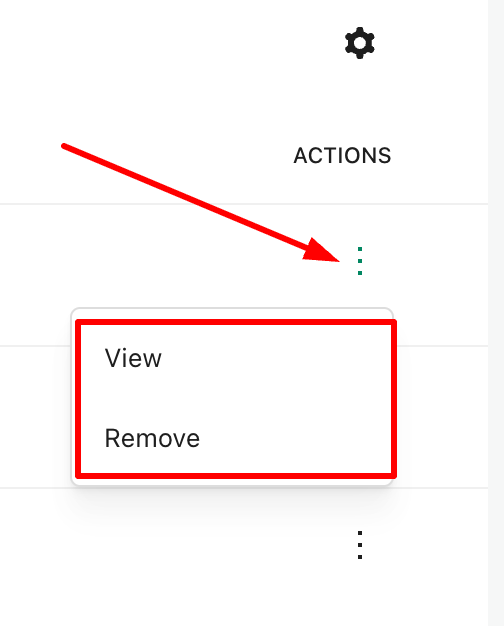
    It’s simple to unsubscribe anyone (including spam-bots) from following your blog. Here’s how to do it. I’m doing this using an iMac Desktop computer.

    • On your blog’s dashboard, select Jetpack – Subscribers.
    An image showcasing Jetpack - Subscribers on a WordPress blog's dashboard.
    Click on Jetpack – Subscribers
    • You will see a list of all your subscribers.
    • Click on the three dots (also known as a kebab menu) next to the subscriber you wish to delete and select ‘Remove.’ You have now unsubscribed the account from your blog.
    • If you wish to discover more about the subscriber, click the ‘View‘ button. Doing so allows you to gather further information about the subscriber, including whether they have a WordPress blog.
    An image displaying the Remove and About links on a subscriber list of a WordPress blog.
    Click the view or remove button.

    While removing these spam-bots from my blog, I noticed that WordPress had also been busy informing me of purged subscribers.

    An image of a suspended WordPress account.
    WordPress has also been working to suspend suspicious accounts on my behalf.

    I had no idea WordPress did this. However, I still had to unsubscribe the purged accounts and remove them from following my blog.

    By being vigilant in monitoring your followers, you can help ensure that your blog remains a vibrant and secure space for genuine interaction.

    And here’s what happened when I unsubscribed these spam-bot and purged accounts.

    An image depicting a sudden decline in subscribers on a WordPress blog.
    Sometimes, a drop in subscribers is a sensible thing.

    Summary

    • Allowing spam-bots to follow your blog can lead to several issues.
    • They don’t contribute meaningfully, skewing your metrics.
    • Genuine followers can be lost among fake accounts.
    • Spambots may be linked to malicious activities.
    • High numbers of spam followers may harm your blog’s search rankings.
    • They can lead to unwanted communication and damage your email reputation.
    • Many spam accounts can diminish your blog’s legitimacy.
    • Real readers provide insights; spam accounts do not.
    • Unsubscribing spam-bots is straightforward through the Jetpack – Subscribers section on your blog’s dashboard.
    • After removing these accounts, you may notice a decline in subscribers, which, although concerning, can be a healthy sign of clearing out ineffective followers.
    • Staying vigilant about your follower base is key to maintaining a genuine and engaging blog.

    Are you aware of who is following your blog? How do you protect your blog from unwanted subscribers?

    Layout, content, settings, and format might differ on self-hosted blogs.

    The featured image in this blog post is taken from Pixabay. AI checked spelling and grammar mistakes.

    I’m getting tough with non-engaging comments. Comments such as ‘Nice post’ are marked as spam.

    Click the buttons below to follow Hugh on Social Media

    Copyright @ 2025 hughsviewsandnews.com – All rights reserved.

      Astonishing! Some Bloggers Kill Off Comments On Their Blogs. Why?

      I’ve always believed that engaging with comments is at the core of what makes blogging so vibrant and interactive.

      While I won’t reiterate what has been said about bloggers who choose not to respond to comments, I was taken aback to learn that some bloggers are opting to turn off comments entirely. Some claim that it’s the future of blogging, where people no longer want to engage, mainly because they don’t have the time.

      Wait a minute. A silent blog? No comments? No space for discussion or interaction with fellow bloggers and readers? Will these blogs be relegated to ‘library’ status – a place for reading but not engaging?

      Is it possible that some of those who neglect to respond to comments are also the ones shutting down comments altogether?

      What drives the decision to turn off comments?

      The leading reason appears to be time constraints. Many bloggers argue that responding to comments diverts precious time away from creating new content. This perspective honestly frustrates me.

      If your content generates a lot of comments, managing responses can indeed feel overwhelming. While it’s true that time spent responding might seem more effectively allocated to writing new posts, with proper time management, it doesn’t have to be a significant issue.

      Is there a limit to how many comments are too many?

      In my 11 years of blogging, I’ve managed and replied to over 25,000 comments. Whether that’s excessive is debatable, but as a blogger, I continuously seek more engagement. I always feel sad for those blogs that generate little to no comments from readers. What are they doing wrong?

      At times, responding to comments might take up an entire morning, time I could dedicate to crafting additional blog posts or short stories. Nevertheless, I’ve always believed that if someone takes the time to read my work and leave a comment, it’s only courteous to return the favour with a response.

      “Treat every visitor to your blog, just as you would a guest in your home.”

      This advice stuck with me early in my blogging journey, given by a blogger with an awe-inspiring follower count. She made it a point to respond to each comment (except comments from spammers or trolls), a lesson that remains ingrained in my approach.

      A priority every morning when I log into my blog is to respond to comments. Not only does this affirm that my writing is resonating with readers, but it also establishes a friendly atmosphere, showing visitors and commenters that their contributions are valued.

      Are all comments created equal?

      Absolutely not. Comments vary widely. Some reflect that the commenter has read the entire post, generating fresh ideas for future content. Others, however, leave you wondering if they merely clicked the ‘like’ button without engaging deeply with your work. Some find it difficult not to leave a comment, regardless of what it is. Perish the thought that they may upset a blogger by not leaving a comment every time.

      I acknowledge these lighter comments by liking them. At the very least, it signifies that I’ve read their input. However, I’ve grown tired of the short, non-engaging comments from the same bloggers all the time, especially those who obviously have not read the posts and who see my blog as a quick way to get some free marketing for their own blog.

      Do I have a meaningful quote about comments?

      Indeed, I do! This quote has resonated with many over the years:

      “Not addressing comments left on your blog is akin to inviting someone over for coffee and ignoring their presence.”

      The broader impact of comments.

      Comments can spark rich debates among readers. It’s always enlightening to see two or more bloggers engage in discussions about the subject I’ve tackled in my post. I regard this as a ‘healthy debate.’ A blogger once told me that encouraging dialogue through comments showcases your engagement with the audience, even if not every comment is directly addressed to you.

      But let’s revisit the question posed in the title: Why should bloggers eliminate comments from their blogs? I understand why some might temporarily disable comments (e.g. when they’re taking a blogging break), but turning them off completely seems contrary to the essence of blogging.

      After all, don’t comments facilitate communication between the reader and the author? Isn’t that what most bloggers aspire to do—to connect with their audience?

      Are you thinking about turning off comments on your blog? Are you somebody who can’t resist leaving a comment on every single post you check out, or do you just never bother to comment at all? Jump into the chat!

      The featured image in this blog post is taken from Pixabay. Spelling and grammar mistakes were checked with the help of AI.

      I’m getting tough with non-engaging comments. Any non-engaging comments, such as ‘Nice post’, are marked as spam.

      Click the buttons below to follow Hugh on Social Media

      Copyright @ 2025 hughsviewsandnews.com – All rights reserved.

      7 Common Blogging Mistakes and How to Avoid Them for a Successful Blog

      We’re all human, so we all make mistakes. When it comes to blogging, whether bloggers are just starting out or have been writing for a while, some make more mistakes than others.

      But what are those mistakes? And do some bloggers not make any mistakes at all?

      1. Not Defining a Target Audience

      One of the most critical mistakes of bloggers is not clearly understanding their target audience. Writing for everyone often leads to writing for no one.

      Solution:

      Take some time to define your ideal reader. Consider their demographics, interests, and problems they want to solve. Tailoring your content to a specific audience will make your blog more focused and engaging. For example, I target most of my posts at other bloggers by giving blogging tips and helping to solve problems users are experiencing with WordPress.

      2. Ignoring SEO (Search Engine Optimization) Best Practices

      SEO might seem daunting, but ignoring it can severely limit your blog’s visibility. Many bloggers neglect to use relevant keywords or proper formatting that can help their posts rank better in search results.

      Solution:

      Invest some time in mastering the essentials of SEO. Consider creating blog post titles with keywords that appeal to visitors and make them want to read your posts.

      If you’re not interested in attracting more traffic or followers to your blog, you can disregard SEO.

      3. Inconsistent Posting Schedule

      Consistency is key in the blogging world. Many new bloggers either post too sporadically or overwhelm their readers with too much content at once. I’m guilty of this mistake, having cut back on how often I publish posts.

      Solution:

      Develop a realistic posting schedule that you can maintain. Whether it’s once a week or biweekly, staying consistent helps build an audience that knows when to expect new content. Some will not publish any posts for many weeks or months and then suddenly publish many posts within a short time as if they are in a race. Space the publication of posts out to give readers time to read and engage before publishing your next post.

      4. Failing to Promote Content

      Creating great content is only half the battle; the other half is getting that content in front of readers. Many bloggers publish their posts and assume readers will find them, which rarely happens unless you have a loyal audience who reads all your posts.

      Solution:

      Share your blog posts across various social media platforms, engage in relevant online communities, and consider using email marketing to reach your audience directly. Never believe that an audience will find you.

      5. Not Engaging with Their Audience

      Some bloggers overlook the importance of conversing with their readers through blog comments, social media, or emails. Never ignore your audience.

      Solution:

      Make it a priority to respond to comments and questions, ask for feedback, and create a community around your blog. Engaging with your audience not only builds loyalty but also provides you with valuable insights into what they want to see.

      6. Neglecting the Visual Aspect

      A blog’s visual appeal can significantly impact reader retention in the internet age. A blog that looks outdated or cluttered can deter visitors.

      Solution:

      Invest a little time learning about basic design principles, using user-friendly blogging tools and updating your blog’s theme. Choose clean layouts, appealing colour schemes, and high-quality images to enhance your blog’s aesthetic.

      You don’t need to spend tens of thousands on re-branding, but if your website still looks stuck in 2015, it’s worth updating. People judge quickly. A blog’s look and design play an enormous role in how professional (or trustworthy) it looks.

      7. Writing Without a Clear Purpose

      Blogs that lack direction can confuse readers and fail to deliver value. Having a clear purpose behind each post is essential.

      Solution:

      Before writing, outline what you want to achieve with your content. Are you aiming to inform, entertain, or persuade? Staying focused on your purpose will guide your writing and make it more effective.

      Conclusion

      Recognising these common mistakes is the first step toward becoming a successful blogger. By defining your audience, optimising for SEO, maintaining consistency, actively promoting your content, engaging with readers, improving your blog’s design, and writing with a clear purpose, you can significantly improve your blogging experience and expand your reach.

      Keep these tips in mind as you continue your blogging journey. Good luck!

      Do you have any blogging mistakes you’d like to share? If you’ve faced challenges or learned valuable lessons throughout your blogging journey, I would love to hear about them! Please leave the details in the comments section and join the discussion. By sharing your insights, you can help others avoid similar pitfalls and foster a supportive community of bloggers eager to enhance their craft. Let’s learn from each other and make our blogging experiences even more rewarding!

      The featured image and title of this blog post were generated using the WordPress AI blocks.

      I’m getting tough with non-engaging comments. Any non-engaging comments such as ‘Nice post’ are marked as spam.

      Click the buttons below to follow Hugh on Social Media

      Copyright @ 2025 hughsviewsandnews.com – All rights reserved.

      11 Tips to Craft Irresistible Blog Post Titles That Attract New Visitors

      What do you consider the most crucial factor in attracting new visitors to your blog or website?

      Many may immediately say, ‘content.’

      However, content is not always king.

      An essential element that nearly every visitor encounters first before deciding to read a blog post in depth exists.

      Crafting Compelling Titles for Your Blog Posts

      Why Great Blog Post Titles Are Essential…

      “On average, 5x as many people read the title as read the body copy. When you’ve written your headline, you’ve spent eighty cents out of your dollar.”
      David Ogilvy

      Indeed, the secret lies in your blog post titles. Craft captivating titles, and you will witness a surge in new visitors eager to read your posts and explore your website.

      I don’t know about you, but some blog post titles can make me sleepy, especially when they have been used repeatedly.

      Blog Post Titles: The Equivalent of Book and Movie Titles

      I consider blog post titles akin to the titles of books or movies. If a title captures my interest, I am likely to begin reading the book or watch the film.

      Titles are as significant as the content itself, yet many bloggers give their blog post titles little, if any, thought. Master both, and you’re on the path to success.

      If your blog post title isn’t engaging, how many potential new and existing visitors will scroll past it without a second thought?

      I often find myself doing the same. If a title fails to grab my attention, I quickly move on.

      Think about this: how many visitors to your blog are likely to do the same?

      Tip: When creating titles for your blog posts, consider what title would motivate you to click on the ‘read more’ link.

      Strategies to Make Your Blog Post Titles More Enticing

      Certain words in blog post titles can attract readers’ interest in learning more. Here are a few examples:

      • How
      • How to
      • When
      • Have
      • Have you
      • Don’t
      • Did
      • Do you
      • This
      • This is
      • Who
      • Why
      • What
      • Where

      Additional Techniques to Enhance Your Blog Post Titles

      Incorporate Numbers

      Numbers can greatly affect the effectiveness of your titles. Think about these two examples:

      My thoughts on Ways to Get People to Read Your Blog Posts.

      7 Blogging Tips That Will Boost Your Post Engagement And Get Visitors Reading Your Blog.

      According to Janice Wald of MostlyBlogging.com, odd numbers generally perform better than even numbers in titles, with prime numbers yielding even greater results.

      Odd numbers tend to attract more attention as they seem less predictable compared to even numbers.

      Tip: Opt for numerals instead of spelling them out when using numbers. Digits tend to stand out more in headlines and require less space.

      Utilise Hashtags

      Hashtags can enhance your blog post titles, aiding both SEO and drawing in visitors seeking specific topics.

      Explore trending hashtags around your post’s publication time. Bluesky and X are great resources for identifying these trends, but always ensure your hashtags are relevant to your content.

      Warning: Excessive hashtags can lead to search engines flagging your post as spam. To maintain a professional appearance, limit yourself to no more than three hashtags in your blog post title.

      Incorporate Bluesky and X Usernames

      If you mention someone in your blog post with a Bluesky or X account, including their handle in the title can be beneficial. When your post is shared, the individual mentioned receives a notification and may expand your reach by resharing it.

      For example, when writing a book review, in the blog post title, include the Bluesky or X handle of the author.

      Optimise Word Count

      Research from CoSchedule.Com suggests that blog post titles around 55 characters long typically earn the highest click-through rates. Titles within six to ten words also tend to yield better engagement.

      To establish a foundation for creating your blog post titles, consider these templates:

      1. How To ____
      2. How To Find ____
      3. How To Completely Change ____
      4. How To Create ____
      5. How To Use ____
      6. How To Get Rid Of ____
      7. How I Made ____
      8. How To Save ____
      9. How To Help ____
      10. How To Develop ____
      11. What To Do With ____
      12. Here’s How To ____
      13. Where To Find ____
      14. What No One Tells You About ____
      15. (#) Questions You Should Ask Before ____
      16. (#) Secrets To ____
      17. (#) Signs You Might ____
      18. (#) Rules For ____
      19. (#) Facts About ____
      20. (#) Ideas For/To ____
      21. (#) Essential Steps For/To ____
      22. (#) Foolproof Tips For ____
      23. (#) Handy Tips For ____
      24. (#) Tricks For ____
      25. (#) Key Benefits For ____
      26. (#) Reasons You ____
      27. (#) Wrong Ways To ____
      28. (#) Most Popular ____
      29. (#) Tips For ____
      30. (#) ____ Mistakes You Won’t Make Again
      31. (#) Things I’ve Learned This Month
      32. Why My Weekend Was Amazing
      33. You’ll Never Believe What Happened Last Week
      34. Why This Is The Only Chocolate Chip Recipe You Need
      35. Meet ____ ____ Who Reveals Their Writing Secrets
      36. Why I’m Recommending These (#) TV Shows to Fans of ____
      37. Book Review: (#) Reasons I’m Giving ____ by ____ ____ (insert Bluesky or X username) 5 Stars

      (Remember to insert a number in place of (#).)

      I’ve used many of these title ideas and seen excellent results. My titles frequently include words that draw readers in.

      Warning: Always remember to add a title to your blog post. Any title is better than having none. WordPress replaces empty titles with a five-digit number, which does not encourage visitors to click the ‘read more’ link.

      AI can it help with blog post titles?

      Yes, it can.

      Did you know that WordPress has an AI block? Just ask it to suggest a title for your post, and see the result.

      Not sure how to use AI on WordPress? Check out this excellent post from Fedora, who blogs at Fedora Pancakes – ‘A Guide to WordPress.com’s AI Assistant.

      Conclusion

      • Blog post titles are the first impression for visitors; make them as compelling as possible.
      • Titles are as important as the content of your posts.
      • Consider what would encourage you to click ‘read more’ when crafting a title.
      • A poorly chosen title could mean missing out on countless new readers, likes, and comments.
      • Ensure every post has a title; it doesn’t have to be perfect—just better than a default number.
      • Use engaging words like How, What, Why, and Where to entice clicks.
      • Odd numbers usually outperform even numbers in titles, making them more appealing.
      • Use numerals for numbers in titles for better visibility.
      • Keep hashtags limited to three to avoid looking spammy.
      • Mentioning Bluesky and X usernames can help boost your post’s visibility on social media.
      • Use AI to help generate blog post titles.

      How do you generate titles for your blog posts? Are there any extra strategies you would like to share or questions about title creation? Join the conversation in the comments!

      Click the buttons below to follow Hugh on Social Media

      Copyright @ 2025 hughsviewsandnews.com – All rights reserved.

      Why Every Blogger Needs an Engaging ‘About’ Page: Key Elements and Tips

      It never ceases to amaze me how many bloggers do not have a page on their blog where they can introduce themselves to their audience.

      Sometimes, their ‘About’ page is blank or hasn’t been updated for years.

      Given that a blog’s ‘About’ page is one of the most visited areas, it’s no wonder that all bloggers should have one and ensure it is regularly updated.

      I’ve previously written about the importance of an ‘About’ page. This new post is an important reminder.

      What is an ‘About’ Page?

      An ‘About’ page is one of the most critical components of your blog.

      It serves as an introduction to your readers, offering insights into who you are, what your blog is about, and why you started it.

      It also helps you connect with your audience, establish credibility, and set the tone for your content.

      Here is why it’s important and what to include in it.

      Why the ‘About’ Page Matters

      1. Personal Connection: Readers love to know the person behind the blog. An engaging ‘About’ page humanises your content, making it relatable and fostering community.
      2. Establishing Credibility: Sharing your background, expertise, and experiences can enhance your credibility. It shows that you know your niche or what you write about, which can attract more readers and followers.
      3. Setting Expectations: It informs visitors about the blog’s purpose, the type of content they can expect, and how often you post. This clarity can help keep readers coming back.
      4. Encouraging Interaction: An inviting ‘About’ page can motivate readers to engage with you through comments, emails, or social media. It opens the door for dialogue and connection.

      Have you seen my ‘About ‘page? Take a look and let me know what you think.

      What to Include on Your ‘About’ Page

      1. Your Story: Share your personal journey. Explain why you started the blog and what motivates you to write. This could include anecdotes that resonate with your audience.
      2. What’s Your Name?: While you do not need to give your full name, it’s essential to include and tell visitors a name by which you want to be known. Not only does this make you come over as approachable, but it also gives the impression that you are friendly. Use a pseudonym if you do not want to provide your real name.
      3. Your Expertise: Highlight your knowledge or experience in your niche or what you write about or publish. This may include your education, career background, or significant achievements related to your blog’s topic.
      4. Blog Mission Statement: Clearly state the purpose of your blog. What topics do you cover? What value do you aim to provide to your readers? A concise mission statement can help readers understand your blog’s focus.
      5. Target Audience: Briefly mention who your blog is created for. Understanding who will benefit from your content can help new visitors feel more connected and engaged.
      6. Call to Action: Encourage readers to explore your blog further. This could be a suggestion to read your latest posts, subscribe to your newsletter, or follow you on social media.
      7. Professional Photo: Including a personal photo can make your page more inviting and relatable. Choose a high-quality image that reflects your personality.
      8. Contact Information: Allowing readers to contact you through a ‘contact’ page, email, or social media links can facilitate interaction and community building. However, never give your telephone number, address, or personal email details.

      Conclusion

      Your ‘About’ page is not merely a formality but a crucial point of engagement for your blog.

      Sharing your story, expertise, and mission creates a welcoming atmosphere for readers and cultivates a loyal community. Crafting a compelling and authentic ‘About’ page can significantly enhance your blog’s impact and strengthen your connection with your audience.

      Don’t forget to keep your ‘About’ page updated. I update mine at least once every six months.

      Don’t hesitate. Write and publish your ‘About’ page now.

      Do you have an ‘About’ page on your blog? What information does it include, and when was the last update you made? Any questions? Leave them in the comments section.

      Click the buttons below to follow Hugh on Social Media

      Copyright @ 2025 hughsviewsandnews.com – All rights reserved.

      7 Essential, Easy Ways to Help You Blog Through December

      This is my annual post about blogging in December, and it’s also my eleventh December in the blogging world. As I’ve discovered previously, December in the blogging world differs from any other time of the year. Why? Read on for more details.

      Image of a desktop computer and camera with Christmas decoration and festive lights..
      Are you planning a blogging break in December?

      I see a familiar path. As December arrives and the days tick by, the blogging world grows quieter.

      I’ve already had the pleasure of witnessing bloggers saying farewell to their blogs and followers for Christmas, joyfully extending warm wishes to their readers for a Merry Christmas while eagerly expressing their intention to return promptly in the New Year. Some have published their final posts of 2024, while others have happily shared their anticipated dates for a well-earned blogging break.

      And who can blame them? Blogging is enjoyable, but all bloggers need a break from the blogging world.

      However, just because the blogging world gets quiet, it doesn’t mean you have to stop blogging. Instead, it’s the perfect time of year to focus on the behind-the-scenes blogging tasks you may have meant to do throughout the year but never quite got around to.

      Embrace this opportunity to make progress on all that behind-the-scenes work and watch your efforts flourish in the New Year.

      1. Fix broken links.

      It can be daunting if you’ve never checked for and fixed broken links on your blog, but don’t be put off doing it.

      I use the free version of Brokenlink.com to check and fix broken links on my blog.

      Fixing broken links helps improve your blog’s SEO score and reduces spam.

      Your readers will also be happier once those broken links are fixed because they won’t be taken to pages and posts that no longer exist. No more ‘404-page not found’ errors!

      Top Tip: Don’t try to tackle your list of broken links in one go. Do a few each day. Before you know it, you’ll have smashed it.

      2. Update your ‘About’ page.

      Every blogger should definitely have an ‘About’ page on their blog! Why? Well, not only do most readers enjoy getting to know the person behind the blog before deciding to follow, but it also happens to be one of the most visited sections of any blog. Therefore, it’s a win-win situation for bloggers and their readers alike!

      It’s just as essential to keep your ‘About’ page updated. When did you last update the ‘About’ page of your blog? I updated mine a few days ago.

      Not sure what to put on the ‘About’ page? ‘How to Write the Perfect About Me Page For Your WordPress Blog‘ by blogger and writer James Lane has excellent recommendations.

      Top Tip: Tell visitors when you last updated your ‘About’ page by inserting the month and year you updated it. For example, mine reads, Meet Hugh – updated November 2024.

      3. Do some blog housekeeping.

      December is perfect for performing behind-the-scene blog housekeeping.

      From sorting out the tags and categories on your blog to updating the menu bar, maintaining your blog is vital to keeping it fit and healthy for the New Year.

      Blogs where little or no housekeeping is performed lose more followers and readers than well-maintained blogs. Why would anyone want to follow a poorly maintained blog or website full of broken links? They can also appear spammy and unsafe to visit.

      Prepare your blog for the New Year by performing some housekeeping during December.

      Top Tip: Blog housekeeping may seem daunting, but doing a little each day will significantly improve your blog.

      4. Explore the WordPress Editor.

      Are you still terrified of the WordPress (Block) Editor? As the number of bloggers using the WordPress Editor continues to skyrocket, now is the perfect time to explore the WordPress Editor and join all those already using it.

      The WordPress editor isn’t complex to use; it’s just different!

      WordPress has excellent tutorials on how the editor works and how to use it. Check out Using the WordPress Editor: Video Tutorials and more.

      Remember that you can use the Classic editor via the ‘Classic’ Block. Soon, this may be the only option available to gain access to the Classic editor, so start using it today rather than panicking when the old Classic editor is removed.

      Top Tip: Create a free WordPress blog to test the WordPress editor. That is what I’ve done, and it has helped me greatly.

      5. Declutter the blogs you follow.

      Following too many blogs is not good for your mental health. It can cause some bloggers stress and guilt from being overwhelmed by too many posts they feel obliged to read and comment on. Why follow a blog if you feel compelled to read and leave uninspiring comments?

      Take control of your time rather than lose it on blogs you are not interested in.

      Check which blogs you are following by clicking on the ‘spectacle (glasses)’ icon at the top of your blog. Click on ‘Manage’ (next to ‘Subscriptions’). You will be presented with a list of blogs you are following. Go through them and unfollow the blogs you are no longer interested in.

      Image of a list of blogs being followed on WordPress
      Look after your mental health by unsubscribing from blogs that no longer interest you.

      Top Tip: Set yourself a limit on how many blogs you follow. When this limit is reached, do not follow any more blogs unless you unsubscribe from some first.

      6. Choose a new theme for your blog.

      December is the perfect time to change the theme of your blog.

      If the WordPress theme you are using has been retired, you are likely (or soon will be) having problems with your blog. This can result in being unable to leave comments on other blogs and not being able to draft and publish posts without encountering issues.

      Once WordPress retires a theme, it removes support for it. Don’t waste your time trying to find workarounds. I have witnessed many bloggers give up blogging because they are trying to work around problems with their retired themes.

      To choose a new theme, go to your blog’s dashboard and click Appearance—Themes. You’ll be presented with a selection of current themes. As soon as you find one you like, select it.

      Many of the themes on offer are Full Site Editing themes. However, Classic themes are also available that still come with full support from WordPress.

      The current theme I’m using is Toujours. It’s a Classic theme and is still fully supported by WordPress.

      Top Tip: To find fully supported Classic themes, type ‘Classic’ in the search box of the themes page and click on ‘Classic theme.’ A complete list of Classic themes will appear.

      7. Delete old blog posts.

      Did you know that keeping old, out-of-date posts can damage the health of your blog? These outdated posts are often the source of many broken links and errors that attract spammers.

      Not convinced? My post, ‘Are Your Old Blog Posts Damaging Your Blog? How To Stop It From Happening,’ gives full details.

      Top Tip: Deleting old blog posts will also free up storage space in your media library (if they contain images or photos). However, you must manually delete photos and images from your media library to free up space.

      Conclusion:

      Although all the above tips can be performed at any time of the year, make the most of December by undertaking these tasks.

      Remember, doing a little daily goes a long way, rather than doing nothing to look after your blog.

      December is often a busy time outside blogging, with holidays and festivities. Taking a break from blogging allows you to recharge, relax, and fully immerse yourself in the holiday spirit. It enables you to step away from the computer and focus on spending quality time with family and friends, as well as doing other fun things.

      For those who do not celebrate Christmas, taking a break from blogging while other bloggers do the same will help improve their well-being. Whenever I have returned from a blogging break, I have come back refreshed and full of new ideas for blog posts.

      While taking a blogging break in December is a personal choice, finding a balance that suits your needs and goals is essential. Whether you decide to take a break or continue blogging, ensure to prioritise your well-being and enjoy the holiday season.

      Am I planning a blogging break?

      Yes, I’m taking a blogging break in December. This year, I’ll recycle some Christmas-themed posts and publish a Wordless Wednesday post on December 4th, 11th, and 18th. I also have a book promotion post planned, which may happen in the new year.

      My monthly round-up post will go live on December 31st.

      I won’t be reading and commenting on blog posts during the Christmas period. However, I will respond to comments left on my blog posts.

      What will you be doing with your blog during December? Are you planning a blogging break, or will you continue to blog?

      Click the buttons below to follow Hugh on Social Media

      Layout, content, settings, and format might differ on self-hosted blogs.

      Copyright @ 2024 hughsviewsandnews.com – All rights reserved.