How Not To Kill Time And Make It Work With You, Not Against You

I don’t like the idea of killing time. I don’t like the idea of killing anything. But when it comes to killing time, do you do it?

Image for the blog post 'How Not To Kill Time And Make It Work With You, Not Against You' on a blue background with white text.
How do you kill time?

I can’t remember when it was I heard this quote, but it’s stuck with me like a sticky bun sticks to my fingertips.

‘Life and time is like a toilet roll
The nearer you get to the end
The quicker it runs out.’

Unknown

How to manage time before retirement.

Before I retired from full-time work in 2012, my life was hectic, and time was often my enemy. With deadlines to meet and places to be, I was forever rushing around like somebody who was too busy to tell anybody how busy I was.

I’d look at people’s schedules and wonder how they could easily complete everything. Some people seem to be naturally gifted at managing their time – or maybe they were better at saying “no” to distractions than I was?

However, I’m proud that I’ve always been a good timekeeper. I’d rather look after time than kill it.

I always arrive at appointments with lots of time to spare. And then it backfires on me as I start questioning myself about the time I am wasting when sitting in a waiting room or killing time when window shopping in the high street while I wait for a friend.

Maybe I should start arriving late than early? But the thought of being late for anything is something I can not face.

How do I look after time?

In many ways. But one thing that has helped me is to use time wisely by keeping a daily schedule.

I write down the things that I want to accomplish that day, and then I try to stick to that schedule as much as possible. Of course, things come up, and I need to be flexible, but having a structure in my day helps me feel like I am using my time wisely.

Another thing that helps me is to prioritise my tasks. I try to focus on the most important things rather than wasting time on things that don’t matter. This helps me be more productive and feel less stressed.

How do you kill time if you don’t have enough of it?

I’ve never liked the thought of killing time because I don’t usually have enough of it to get everything done in my day. After all, how can you kill something that you don’t have?

How often do you hear somebody say, ‘I don’t have enough time’ or ‘I wish I had more time?’ 

When we’re enjoying ourselves, time tricks us. It makes us think it’s going fast or gone quickly. Whereas when we’re doing something we don’t enjoy, it reverses that trick by making us think it’s going slow. Yet, all along, it has travelled at its usual pace.

A photo of an unusual wooden clock from Alice in Wonderland
Is time fooling you?

When I was at school, time seemed to go slowly. I remember the school summer holidays and how those six weeks of freedom seemed to last forever. They seemed endless until the nightmare of the night before returning began.

Even the two-week Christmas school break seemed to last forever. Back then, time was my best friend. It was always there and gave me as much of what it had as I wanted.

When time runs out on you. 

Then, I got my first job and soon found myself fighting for time and trying desperately not to allow it to leave. It was as if time was upset with me and wanted to leave. If only I had saved up some of the spare time from my childhood. It would have come in very useful.

Work days would always go quickly. Somebody told me it was a sign of being busy. I’d arrive at work dreading the full week ahead, but it would often pass me by like an intercity express train. 

When Friday afternoon arrived, the thought of all that free time over the weekend would put a big smile on my face.

Even better was when the weekend was extended because of a public holiday. I remember being told by a work colleague, ‘ Three days of time to roam free‘. It’s yet another ‘time’ quote I’ve never forgotten.

Time is like money. Those who spend it wisely, will never lose it.   

Hugh W. Roberts

Yet, when the office clock struck five and a long weekend was upon me, why did I resist going home and getting the long weekend started? Was I fooling myself by believing that the long weekend would last even longer if I delayed it? Or was it because I wanted to enjoy that feeling of ‘three days of time to roam free’ even longer?

Time doesn’t stop for anybody, so why was I kidding myself?

Time after retirement. And why do some people find time boring?   

When I retired, the thought of all that spare time on my hands was one of the benefits of retirement.

At first, I had no idea what I would do with all my spare time. However, I knew that I would not allow myself to get bored or become addicted to daytime television or social media.

When I hear people say they are bored, I want to arrest them and put them in ‘time jail.’ How can anybody get bored with their time?

When I see people on social media saying they’re bored, not only do I ask them how anybody can get bored on social media, but if they’re bored, do something less boring than spend time on social media.

I’m proud to say that I’ve never been bored or addicted to daytime television or social media.

Looking back, I wonder how I managed to fit everything in. Where did I find the time to work and find all the time enjoying a social life that often took me away on vacation or on long weekend breaks? It’s something I never found out the answers to.

Fast forward to the present, and I ask, ‘Where does the time go?’ 

Unlike my early years, days, weeks, and months seem to zoom past even more quickly. I often compare my life to the toilet roll I mentioned at the beginning of this post. 

I was never good at mathematics. And when it comes to time, the maths still doesn’t add up.

But even with good time management skills, sometimes I feel like time is slipping away. It’s a strange feeling – like I’m racing against the clock and can never quite catch up.

But at the end of the day, I try to be grateful for my time and make the most of it. Because, as the saying goes, time waits for no one.

How do you manage your time? Do you kill time, or are you somebody who never seems to have enough of it? Is time your friend, or is it an enemy? Do you have any tips on freeing up more time? Share them in the comments section.

Follow Hugh on his social media platforms by clicking the buttons below.

If you enjoyed this post and want more like it, click the ‘Subscribe’ button to stay up-to-date with my latest content.

Copyright @ 2024 hughsviewsandnews.com – All rights reserved.

Why Books, Libraries And Writing Can Be Terrifying Places For Some

Every time I walk into my local library to pick up some recycling bags, I feel like I’m entering a world that doesn’t want me there. Or is it that I don’t want to be there?

For me, libraries can be terrifying places. Just like picking up a book and opening it can be a terrifying prospect. As an author and writer, you’d think that both would be something I’d get a lot of pleasure from. But I don’t.

Banner for the blog post 'Why Books, Libraries And Writing Can Be Terrifying Places For Some'
Does reading, writing or libraries terrify you?

Why Am I terrified of libraries and books?

Dyslexia – that’s the answer. As somebody who is dyslexic, reading and writing are two things I have always found difficult. And writing about dyslexia is even harder.

When I enter the library and face all those books that can introduce me to new characters and transport me to different worlds, I feel like a big door is being slammed shut right in front of me. Why? Because I know that I would find it difficult to read many of the books on the shelves.

How does being dyslexic affect me?

Being dyslexic affects me in many different ways. For example, I often find myself struggling to know what a word or its meaning is.

It doesn’t always come to me even when I try saying the sounds the letters make as they appear in a word. Struggling with a word in the middle of a sentence can stop me on my reading journey and sometimes make me feel like a failure. It’s as if the word is some sort of barrier preventing me from continuing my reading journey.

Occasionally, when I pick up a book, I encounter too many words I don’t understand. They can be the simplest words, yet my brain can not determine them. I start asking myself what those words mean. Are they important? Why can’t I say them?

If I have to go back to the beginning of a page or chapter because I don’t understand the plot or what’s going on, I will almost certainly give up on the book. I may have another go, but more often than not, I never pick up that book again.

It’s not only about reading.

When it comes to writing, one of the strangest things dyslexia does to me is not putting certain letters in the correct order. I struggle if a word has an ‘A’ and ‘C’ in it. For example, I can often type ‘because’ in a blog post, yet Grammarly will underline every ‘because’ I’ve typed because they’re all incorrect.

The same thing happens when using pen and paper. My brain is rushing ahead of me, causing my hand to travel in different directions as it pushes the pen that produces awful handwriting, not even I can understand. What I write resembles the scribbles I drew as a young preschool child.

But not all is lost, is it?

I’m pleased to say that I don’t have problems reading all books. I seem to go through peaks and dips with them. I have to be in the mood to read books. They have to be written in a way that I can understand exactly what’s going on. No silly accents or too many characters whose names all begin with the same letter.

So, unfortunately, you won’t find many book reviews I’ve written, yet you’ll find many comments I’ve written on the many blogs I follow. And by comments, I don’t mean the types that don’t offer any value. If I leave a comment, it’ll be at least a couple of sentences long.

For me, comments are like leaving book reviews. If I leave a comment, it’s because the words on a post have connected with me, and I want to engage with the author.

Happy endings

I allowed dyslexia to suppress my love of writing for far too long. In February 2014, when I published my first blog post, I felt like I had conquered it.

I’ve often heard it said that people with dyslexia have unique imaginations. I’m unsure if that’s true, but it’s been a happy ending. If it were not for blogging and the many bloggers who encouraged me to write, I’d never have self-published two short story collections.

Don’t allow me to stop you.

But even with my love for blogging, I still find books and libraries terrifying places.

It’s not just the fear of being judged for my reading speed or accuracy; it’s also the overwhelming amount of options available. With shelves upon shelves of books, where do I even begin? I had the same problem with blogging. I followed too many blogs, so I cut down on the number I was following. That helped.

For someone with dyslexia or any reading disability, picking up a book can be anxiety-inducing. The fear of being unable to understand the words and follow the plot makes it easy to understand why some people avoid books altogether.

And while libraries and bookshops may seem a haven for book lovers, it only adds to the pressure for some. Surrounded by so many books, it’s easy to feel like you should be reading them all, like you’re missing out on something if you don’t (just like all those blogs you follow).

How often do I hear or read that somebody is so far behind in reading blogs? They fear they could miss out if they don’t read them all.

The same happens with social media. How often do we see people with their heads down while looking at a screen? I’ve witnessed whole tables of people in restaurants, all with their heads down, looking at their phones while eating.

But the truth is, there is no “right” way to read. There is no “right” book to read. It’s okay to read at your own pace, take breaks when necessary, and stop reading a book or blog if it’s not connecting with you.

And remember! You don’t need to read just books to enjoy reading. I get far more enjoyment from reading blogs than I do books.

Books and libraries may be intimidating places for some, but there’s no denying the magic of losing yourself in a story. However, we can also lose ourselves watching a movie. It’s worth facing your anxieties and fears to experience that magic for yourself.

So, please, don’t be like me. Pick up a book, visit your local library, and don’t be afraid to take it one page at a time.

Who knows? You might find a new favourite author or even discover the joy of writing for yourself.

And don’t forget you can also do the same in the world of blogging. It’s a magical place full of content where you can quickly lose yourself.

Image showing tightly packed books on a book-shelve
Books! Friends or foes?

Now it’s over to you.

Are you dyslexic? How do you manage your reading, writing and blogging? What books or blogs are you reading that help you conquer dyslexia? Tell me about them by leaving me a comment.

This post was originally published in April 2019 and has been updated for republishing.

Follow Hugh on his social media platforms by clicking the buttons below.

Want more posts like this? Enter your email address and click Subscribe.

Copyright @ 2024 hughsviewsandnews.com – All rights reserved.

Why Do We Not Like Talking About Death?

In September 2015, when my mother passed away, both my brother and I were with her as she took her final breath. I remember thinking how beautiful she was. She’d been in a deep sleep for nearly a week and, over that week, she seemed to age quickly. But during the last ten minutes of her life, beauty and youth came back to her.

Can people nearing death hear us?

The medical staff told us to talk to Mum while she slept. ‘She’ll hear you’, were their words, but how could they have known? Had they once been near death’s door where they witnessed the voices of those still living, or had somebody who had experienced near-death told them what happens?

#family
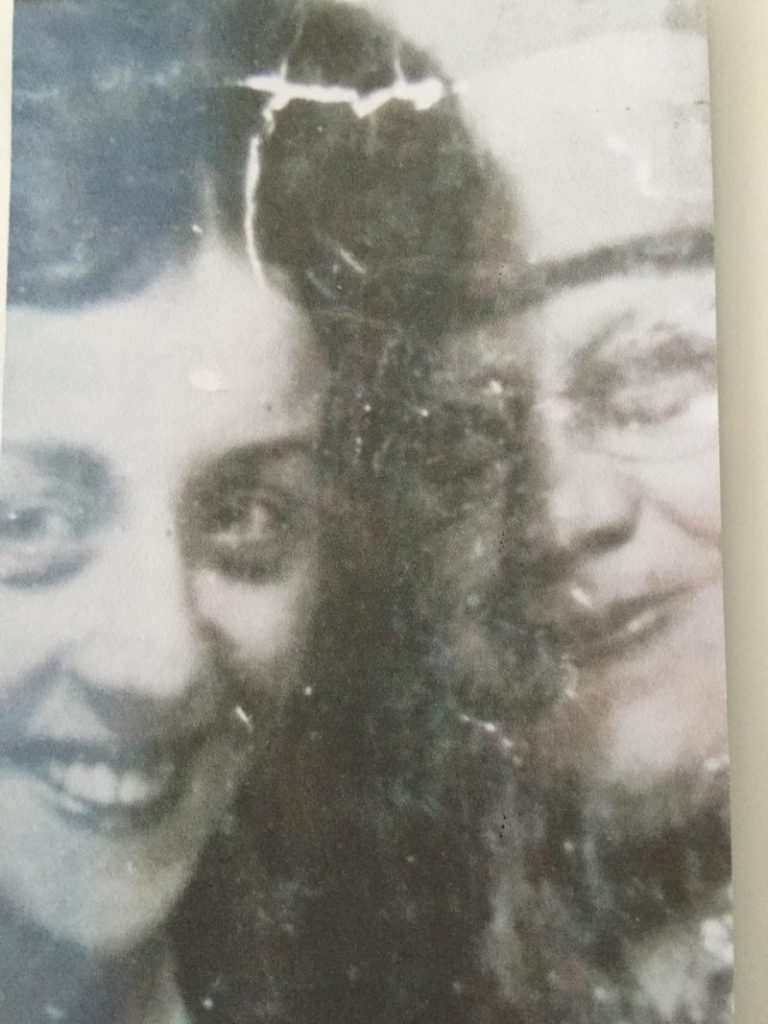
My mother and grandmother. Taken January 1962 ©hughsviewsandnews.com

We took their advice and talked to Mum as if she was sitting there having tea and biscuits with us. However, occasionally, general chit-chat turned to tears as we told her how much we loved her and to go on her way with whoever was waiting for her. But how did we know that somebody was waiting for her?

Twelve hours earlier, Mum had briefly opened her eyes and looked up at me. I spoke to her and wondered if she knew who I was. I didn’t tell her who I was but made sure I told her that I loved her.

Having suffered from dementia for the last five years of her life, I asked myself if her condition was still stopping her from recognising me, and if she saw me as a stranger?

When she looked into my eyes, squeezed my hand gently and smiled, before closing her eyes again, I thought I knew the answer. However, years on, I still wonder if I did have the answer. Why? Because I didn’t have any proof of who she saw when she had looked up at me. However, at least she did know that she was loved.

Do books and movies hold the secrets to death?

Maybe the answers are in the fiction we read and watch? After all, whenever we read a book or watch a movie, are we witnessing what the author or authors believe about death?

When we read about a person being at ‘death’s door’, or watching a film where a death occurs, is the author sharing some of their experiences with us from a previous life they can’t quite remember?

What about those who claim to have witnessed the bright light that appears when they were near death? Are they talking from experience, or is it guesswork? Even if only a tiny amount of what they tell us happens, are they telling us what they have witnessed, or are they merely portraying it?

Do the lights go off when we die?

Is knowing you’re about to die, a gift?

Death is something many of us find difficult to talk about. When my step-father asked me to help him organise funeral plans for both him and my mother, it was something I didn’t want to talk about with him. I felt uneasy having to discuss it with him.

He, on the other hand, didn’t seem to have any problems in asking me to help him put the funeral plans into place. He’d already decided which company he wanted to use, how much he wanted to spend, and what would happen on the day.

After I agreed to help him, I wondered why he had chosen that time to ask for my help. He had, after all, been thinking about death because he already knew which company he wanted to use and what both funerals should include. Nine months later, he suffered a heart attack and passed away. Did he know that the actual day of his death was nearing?

Are the displays of death as beautiful as the displays of life?

Have I made any plans for my death? No. Why? There’s something about death that I don’t like talking about, yet here I am discussing it with you.

Talking about death makes people uneasy. None of us wants that, do we? However, in some circumstances, shouldn’t the discussion make us feel happy that it’s out in the open?

If talking about death takes pressure off others, why do we still not want to talk about it?

I knew that my step-father was glad when I helped him organise his and my mother’s funerals. He knew that nobody had anything to worry about when he and my mother passed away. It was all paid for, and nobody had to do anything apart from pick up a phone, and report their deaths.

Everything was taken care of. My step-father was happy, and I should be happy because some of the pressure he’d experienced with death was something I wouldn’t have to go through.

#death #life

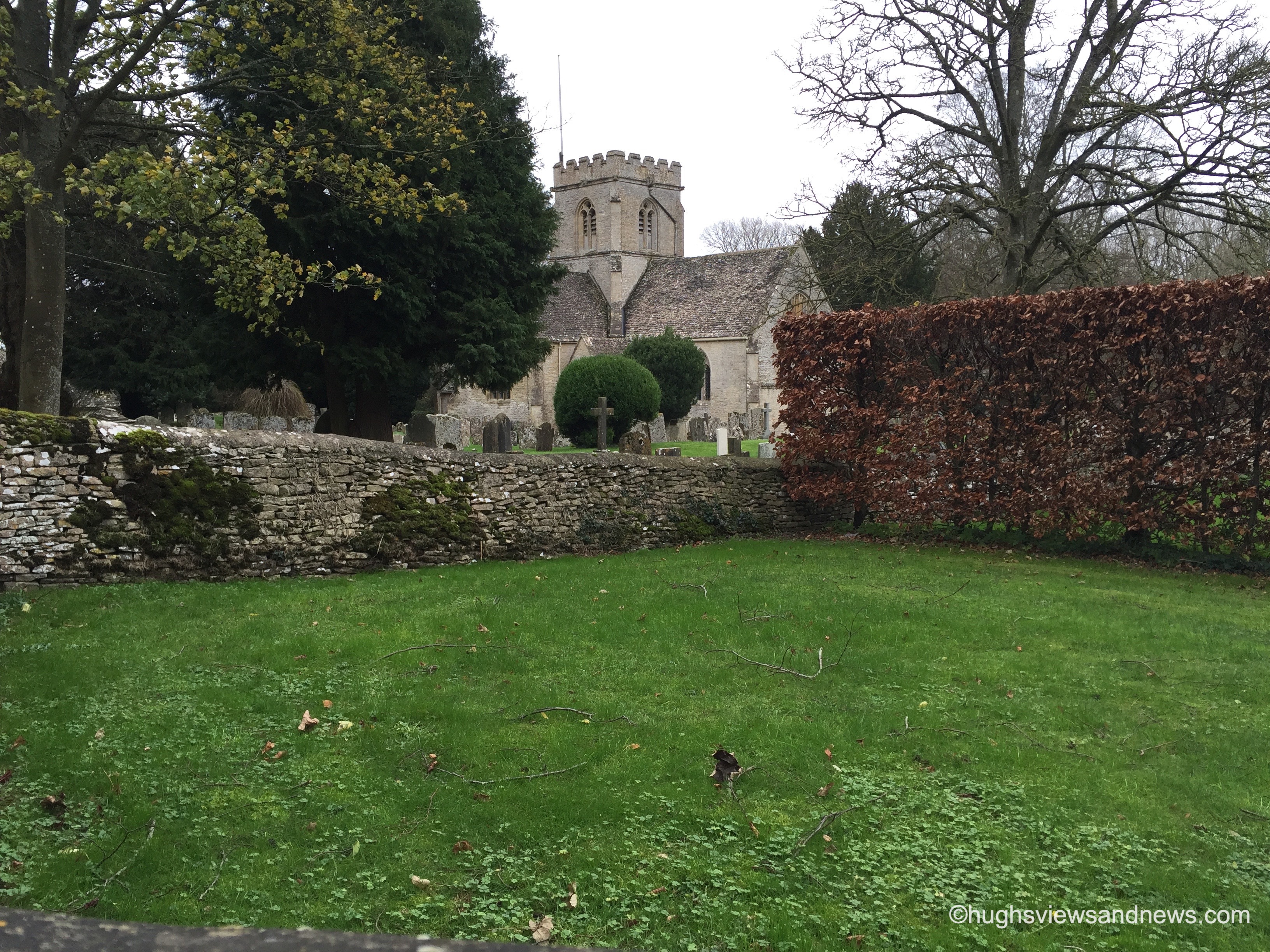
If Hell is below us, why do we still bury some of the dead in the ground?

Can only the dead answer the questions we have of death?

Do you ever wonder who the last person will be that you will see before closing your eyes and allowing death to take you on your next journey? Is there another journey after death? Are there journeys for all of us, none of us, or just some of us?

Some of us still have a birthday to look forward to this year, while the rest of us may be looking forward to a birthday next year. But what about our death day? During the last 12 months, we’ve all passed the date in the month we are going to depart this world (our death-day). Do you ever wonder about that date, knowing that it passes you by every single year?

Does not knowing the date of our death day make us better people or make our lives any more comfortable? If you knew the date of your death-day, would you change anything about the way you live your life? Would you ensure you became a better person and made the most of every single moment of your life?

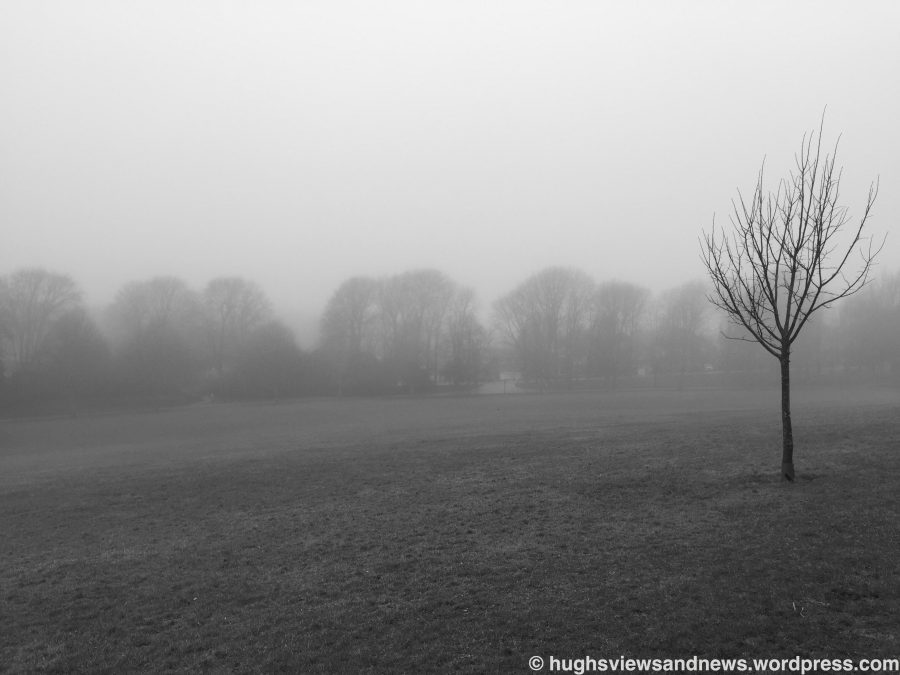
#death #trees #fog #life

Do we become isolated when we die?

Would you visit those you seldom see more often knowing that you may soon lose the chance ever to see them again?

Like my step-father did, would you ensure that loved ones are taken care of by preparing for your death? As well as celebrating a birthday, shouldn’t we all celebrate our death day?

Has the location of our death already been chosen for us?

I’ve often wondered about the place where I am going to die. Is that place already somewhere I know or is it somewhere I’ve yet to visit? Will it be at home? Will it be in a shop, theatre, cinema or a bar? What season will it occur? What day of the week will it be? Perhaps, Friday (the day I was born)?

Will I be with others who all have the same death-day as me, or will I be on my own? I don’t know about you, but I don’t want to be alone when death approaches me. I want to be with people (just as I was on the day I was born).

I’m not sure about being surrounded by my family and friends at the time of my death. I don’t like the thought of them watching me pass away. It wouldn’t be fair to them, would it?

However, being surrounded by total strangers seem alright. I wonder if those strangers are already in my life or if I’ve yet to encounter them?

I don’t like to think about myself dying in a hospital bed or on a beautiful beach in full sun. Although I love living by the sea, the feel of sand on my skin is something I’ve never been fond of experiencing, yet its beauty attracts me.

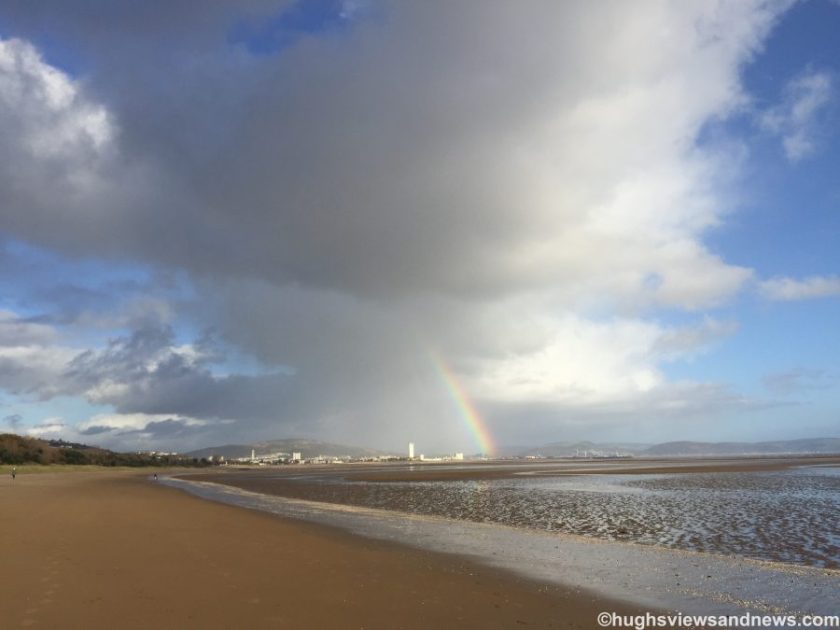
Rainbow over Swansea

Can I become a rainbow when I die?

I do like the thought of dying while sitting in front of the TV, especially if what I am watching is making me laugh or feel happy.

Does the way we’d like to die change as we grow older?

When I was younger, the thought of passing away while in a passionate embrace was something I thought was one of the best ways to die. However, as I grew older, I started to think about how unfortunate it would be for the person with me at the time. Now, I wouldn’t want to find myself in that position. Would you?

Final thoughts

When I pass away, will anything or anybody replace me? How do I convince people not to be sad that I am no longer here? I want them to celebrate my life, not my death. Does grief have to come hand-in-hand with death? Even if it is a stranger who has just entered my life when I close my eyes for the final time, and sadness will be erased away by time, won’t it?

There is something about death that I do know. While we are still here, we should do all we can to ensure that the sadness that often comes with death is not the kind that buries its roots deeply into those that we leave behind.

Do the dead leave us behind, or are we leaving them behind?

Copyright © 2019 hughsviewsandnews.com – All rights reserved.