
Did You Miss Any Of These? Monthly Round-Up – January 2025

You may have noticed that I published fewer posts than I usually do this month and wondered why. I wanted to see if this affected the number of views my blog gets. And guess what? It did.

However, you would be mistaken if you think my blog received fewer views due to the reduction in the number of published posts. Perhaps a discussion for another day as to why?

I’ll just mention that you don’t need to burden yourself with the notion that you must publish blog posts every day to achieve good viewing figures. Overdoing it only results in blogging burnout and, ultimately, the abandonment of your blog.

In the meantime, here is your opportunity to catch up on my three blog posts published in January 2025.

  • Have you set any New Year’s resolutions? This is what you should do with them.

What To Do With New Year’s Resolutions

  • Social media can significantly enhance blog traffic, but managing an excessive number of platforms can reduce effectiveness. Discover how I transformed social media into a success for both myself and my blog.

Navigating the Social Media Landscape: My Journey with Five Platforms

  • Would you like to participate in a vibrant online programme that encourages interaction among authors, bloggers, writers, and readers? This post offers comprehensive details and an invitation to join.

Discover the Magic of Story Chat: Join the Conversation with Talented Authors and Unique Short Stories

Hugh’s Views and News is at the heart of fascinating conversations and engagement. Have you participated in the debates and discussions? If not, why not join in and share your thoughts with us?

Comments are closed here. Please leave any new comments on the original posts.

Follow Hugh On Social Media.

Copyright @ 2024 hughsviewsandnews.com – All rights reserved.

Discover the Magic of Story Chat: Join the Conversation with Talented Authors and Unique Short Stories

“Would you like to write a short story that I can publish on my blog?”

Those were the words of Marsha Ingrao, a writer and blogger who blogs at Always Write, who went on to create something special with the story I submitted.

The story, The People Under the Stairs, received many comments, many of which led to discussions. It was like sitting in a book club discussing the book everyone had read that month.

Three years later, Story Chat is a big success. Two books containing the stories for it have been published, and a third book is in the pipeline.

What is Story Chat?

Story Chat is more than a book club or writing or reading challenge. It is a unique and proven online program that encourages interaction between authors and readers. It’s part writers’ group, part beta readers, part fun fiction, and, best of all, pure enjoyment.

I give all the credit to Marsha, who had the idea. Although I contributed some input, Marsha worked hard to make Story Chat successful.

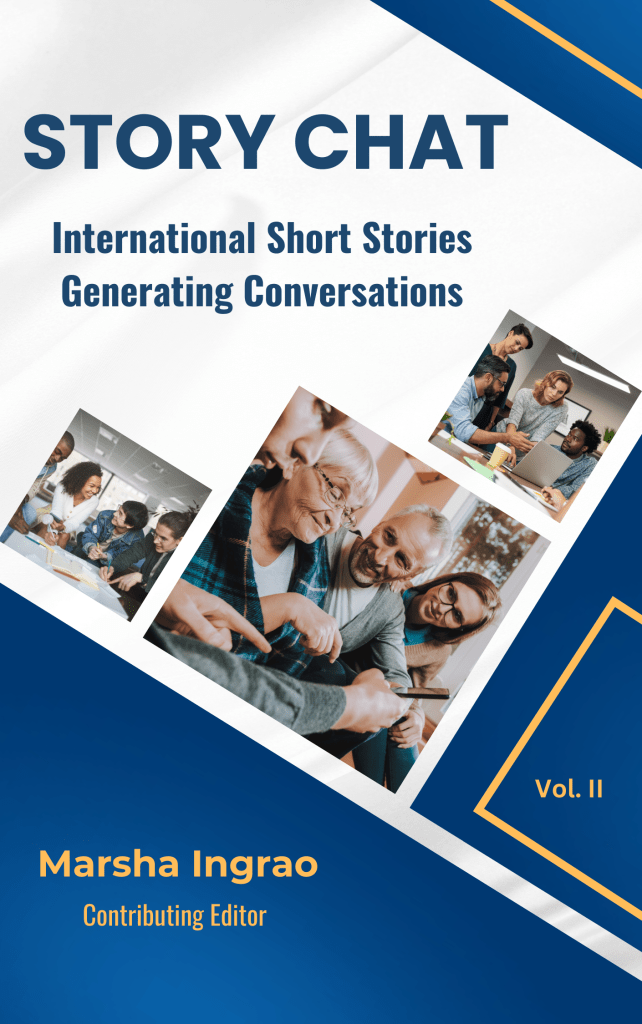
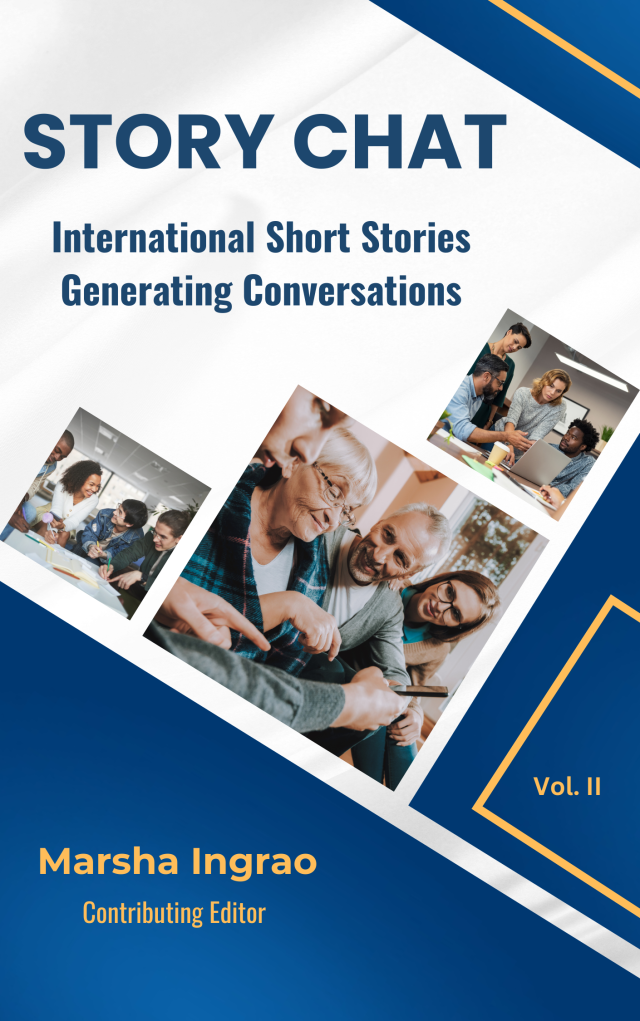
Image of the book cover for Story Chat Vol II.
Story Chat Vol II is available on Amazon.

Story Chat—Vol. II, the 2024 compilation, was expertly edited by Colleen Cheseboro. As I reflect on the pages of the book, I feel a sense of happiness and pride in having contributed to both it and the Story Chat—Vol. I book.

This second book features a varied collection of original short stories by 20 authors from around the globe. While most stories are dramas suitable for all ages, from children to older adults, this collection includes science fiction and comedy. Additionally, two non-fiction articles (one of which I penned) discussing the writing process are included. All selections are family-friendly, even though the topics cater to adult readers.

An image of a woman reading on her mobile phone in bed.
Once you begin reading Story Chat, you won’t be able to put it down.

The book features realistic fiction, surprises, and open-ended stories. Halloween vampire horror tales may make you laugh and reflect on how you can find humour in them. Travelling to an alternate universe – familiar to some – will keep you entertained. You might discover yourself stepping into one or two other universes that are so bizarre you won’t know how to respond to them. My story, ‘The Watcher,’ which centres on a walk in the fog, is one of those peculiar tales.

The characters will move you to tears as they courageously reach for love or confront tragedies you wish no one had to endure. You will chuckle at the older couple deliberating whether to book the adventure of a nudist cruise. You will root for a mother and her autistic child as they overcome challenges. One story will evoke memories of Toy Story or The Velveteen Rabbit. Another feature is an epic children’s poem with illustrations crafted from fondant by the talented author and her son.

The book is so much fun. Yet, it can be educational, especially for writers who constantly work to improve their craft. Each story has discussion questions you can use if you belong to a book club or writing group.

All of us, known as Story Chatters, hope this book will impact your lives.

You can purchase the Story Chat Vol II by following these links. Amazon.uk and Amazon.com

Six Reasons to Own This Book

  1. Great reading when relaxing on holiday.
  2. Introduce the Story Chat concept to your friends as a coffee table book.
  3. A book for writing groups or book clubs to improve members’ writing.
  4. Stories in the book are no longer available to read online.
  5. A birthday or any time of the year gift for friends that read.
  6. You’ll be supporting a growing number of blogging authors and writers to publish next year.

Story Chat Vol: I

Don’t forget to also take a look at Story Chat Vol: I, which includes stories from 14 international authors.

I have two stories in this book – ‘The People Under The Stairs’ and ‘Puddles,’ both of which will take you on a journey to the edge of your imagination.

Do I have any favourite stories in the books?

Yes, but I’m not going to share them with you. Every story has a reason why it’s in the book, and behind every story is a talented author and writer who has poured their heart and soul into crafting each word.

It is not merely about telling a tale; it’s about the intricate web of ideas, emotions, and experiences that culminate in a narrative that resonates with readers on various levels.

Each author draws from a well of inspiration, life experiences, and unique perspectives, making the stories not just entertainment but also a means of connection, reflection, and understanding of our world.
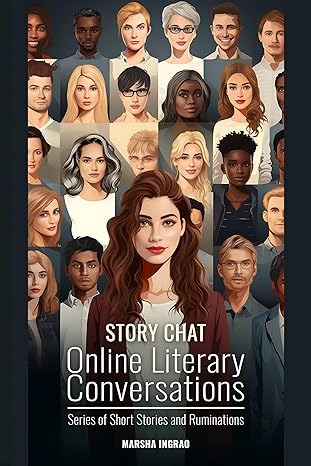
Story Chat Vol I is available at Amazon.com and Amazon.UK.

Want to be part of the next Story Chat book?

We’re seeking writers, authors, and bloggers to contribute stories to Story Chat 2025, which is currently underway on Marsha’s Blog. For full details, please visit Marsha’s blog.

Click the buttons below to follow Hugh on Social Media

Copyright @ 2025 hughsviewsandnews.com – All rights reserved.
Book Review: Borrowed Time by Russell Dean @RussDeanWrites

Let me start by saying that writing book reviews is rare for me. Why? I don’t read books because my dyslexia makes reading many of them difficult.

I understand the importance of maintaining independence and authenticity in reviews. So, I must ensure that my evaluations are based solely on the book’s merit and not influenced by personal connections or online interactions with the author.

This review pertains to a book penned by an unfamiliar author I encountered on X (formerly Twitter) while promoting their work. It’s worth noting that promoting books on social media can indeed bring results. It’s knowing how to promote them that’s important.

Now that’s all out of the way, let me begin my review for the first book (in two years) where I’ve managed to reach the end without ever wanting to put it down and walk away!

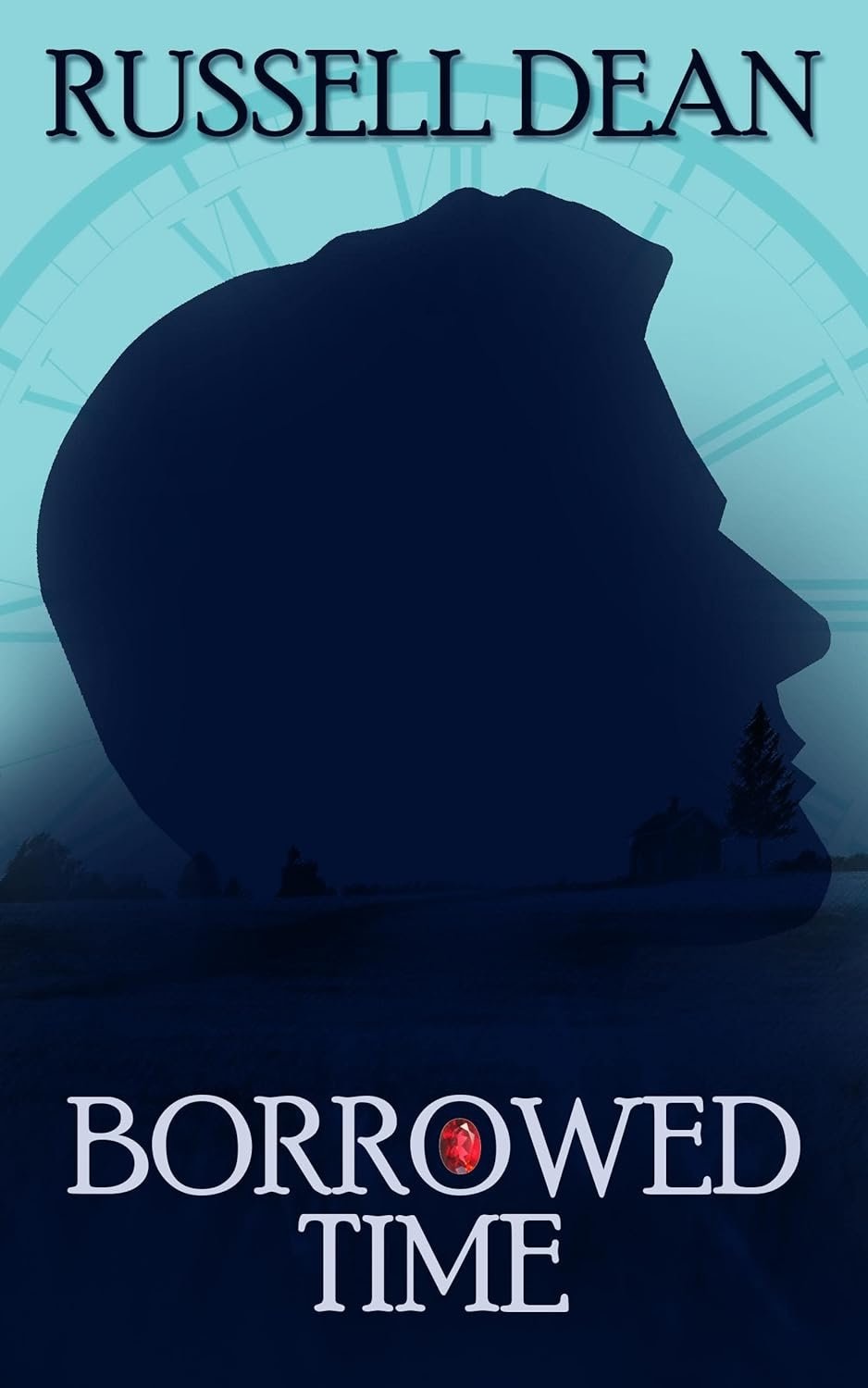
Borrowed Time by Russell Dean.

Blurb:

‘Tom Jacob is bored with his life.

He’s stuck in a job he doesn’t like, his love life is non-existent, and he’s tired of being seen as boring and dependable, so when his wayward twin brother convinces him to spend a night partying instead of doing paperwork, Tom reluctantly agrees.

The following morning he wakes up in a field.
In Wales.
In 1889.

Stranded more than a century in the past, Tom has to overcome language barriers and suspicion as he attempts to adapt to the world around him and find a way back to his own time, but with two people from the sleepy village of Cwm Newydd now missing, one local resident seems hell bent on pinning the blame for their disappearance on the strange Englishman who appeared out of nowhere.

Determined to find his way home, the discovery of a long hidden family secret will change Tom’s life forever, and when romance comes knocking he’ll be left wondering in which timeline his heart truly lies.’

Image of the book cover Borrowed Time by Russell Dean, that shows the black silhouette of a young man's head with a faded clock dial in the background.
Borrowed Time – by Russell Dean

What attracted me to the book wasn’t the cover but the blurb’s description of it as a time-travelling story. I love time travel. It’s one of my favourite genres (in the science-fiction category). But when I discovered this was a gay time-travelling story, my interest in the book was even more inquisitive. A gay-themed time-travelling story? That’s a first for me.

I wasn’t keen on the romance element of the book’s blurb. It’s a genre that has never appealed to me. When I hear or read the word ‘romance,’ I immediately think of silly movies like Notting Hill, Marley and Me, and Love Actually—movies that always send me to sleep. Would this book do the same? No!

From the moment I opened the book, I felt at home, all cosy with my feet up and a pot of English Breakfast tea on the go. The first page intrigued me and made me want to know more. I knew some of the story would be set in Wales, so perhaps this is what made me feel at home. Even though it starts in England, I knew (from the blurb) that Tom (the main character) would travel in time and end up in Wales. However, he didn’t get there quickly.

Although it took a while for the time travel to happen, the story’s opening was gripping and made me wonder what was happening in Tom’s life and want to find out more. Tom thinks he leads a dull and boring life, but it is anything but dull and boring in the opening part of the book.

Once Tom does time travel back to Wales (and he gets there in an intriguing way), the story shifts up a few gears and becomes even more gripping. I was so engrossed in what was happening that I did not want to put the book down, so I had to force myself away to deal with other matters (when they occurred) that needed my attention. Otherwise, I would have read the whole book in one sitting.

‘Borrowed Time’ was often on my mind when I was not reading it. Even when trying to fall asleep, I found myself working out what would happen next and guessing how the story would end (I always have a habit of doing that). The chapters, some of which were a bit on the long side, all ended on cliffhangers, so the urge was there to find out, but rarely did I guess what would happen next.

Something that has never happened to me before when reading a book is falling in love with one of the characters. Don’t get me wrong, Russell Dean described all his characters well, but one particular character stood out more than the others. Whenever that character disappeared from the story, I found myself urging them to come back again soon. That’s how much of an impact that character had on me. I won’t say which character I am referring to, but weeks after finishing the book, they often cross my mind, and I wish they were real.

Something else I loved about the book was some of the ‘old’ traditions played out by some of the characters in 1890s Wales. For example, in one scene, a bride empties a purse of pennies onto the roadside as she sets off to the church, and the children run to pick up as many of the pennies as they can. This is a tradition I remember well from my childhood days, and it seems to have died out in recent times. It brought back many happy memories, proving that the author did an excellent research job while writing the book.

The book has many emotions—sadness, shock, and humour, to name but a few—all of which got my heart racing. My emotions often felt like they were on a rollercoaster while reading the book. That told me just how good the writing and storytelling were.

I mentioned earlier that I couldn’t help but wonder how the story would end. When I finally got to the end, let’s just say that not only did it take me by surprise, but it was an ending that pleased me, even though I wanted to burst out crying. Russell Dean scored a bullseye with the ending.

‘Borrowed Time’ deserves a sequel and would also make a fantastic movie or TV drama. It’s unlike anything I’ve read or watched before.

If you’d like to add ‘Borrowed Time’ to your ‘To Read’ list, it’s available at the following places.

Available on Amazon.

Available as an E-book from these retailers.

More about Russell Dean: https://linktr.ee/russelldeanwrites

This is an important notice to anyone who writes book reviews.

Image of a stickman with some words of advice about not spoiling a book when reviewing it.
Don’t give away a book’s story when giving it a review.

Please don’t spoil books for others by giving away storylines, plots or endings when writing a review.

Click the buttons below to follow Hugh on Social Media

Copyright @ 2024 hughsviewsandnews.com – All rights reserved.
The Power of Feedback: A Writer’s Brief Journey Through Editing and Story Chat

The first time I got my first short story collection edited, I was a nervous wreck.

I needn’t have been because having a fresh pair of eyes helped take my stories to a new level – a level that would have taken me many years to have reached, if at all.

Light blue image with the words 'The Power of Feedback: A Writer's Brief Journey Through Editing and Story Chat' in white text.
Do you fear feedback?

Before publishing my second collection of short stories, I asked several friends to read my stories first and give me feedback. Then, I sent the book off for editing.

Of course, I didn’t take all the advice of my editor or those who read my stories before publication, but I’d often meet them halfway.

The initial editing process provided reassurance about receiving feedback. However, the subsequent editing rounds, along with feedback from beta readers, amplified this confidence. The fear of criticism no longer holds me back. What’s there to be afraid of? There’s nothing to fear. After all, why write if nobody will read it?

How To Treat Poor Feedback

A negative review or feedback may initially shake you, but it must never deter you from pursuing your writing. Constructive criticism, even if negative, has the potential to enhance the quality of your stories and writing, so don’t ignore it.

Of course, feedback comes in various shapes and sizes. Feedback such as ‘great story’ doesn’t hold much weight, making me question the purpose of such comments. I would much rather receive good, honest, constructive feedback than be told that my story was simply great.

Like boiled eggs and soldiers, writing and feedback come hand-in-hand. But where is this all going?

How Story Chat Started

In 2020, writer and blogger Marsha Ingrao asked me to write a story for Story Chat, a new feature she was in the process of creating where anyone can submit a story, anyone can read it, and anyone can give honest feedback about it. I jumped at the chance.

I was honoured to be the first to have a story, The People Under The Stairs, published on Story Chat.

Fast forward to 2024, and Marsha’s blog’s Story Chat feature has achieved remarkable success. With over 20 authors and writers actively participating, a book highlighting the first two years of stories, along with reader feedback, has been published.

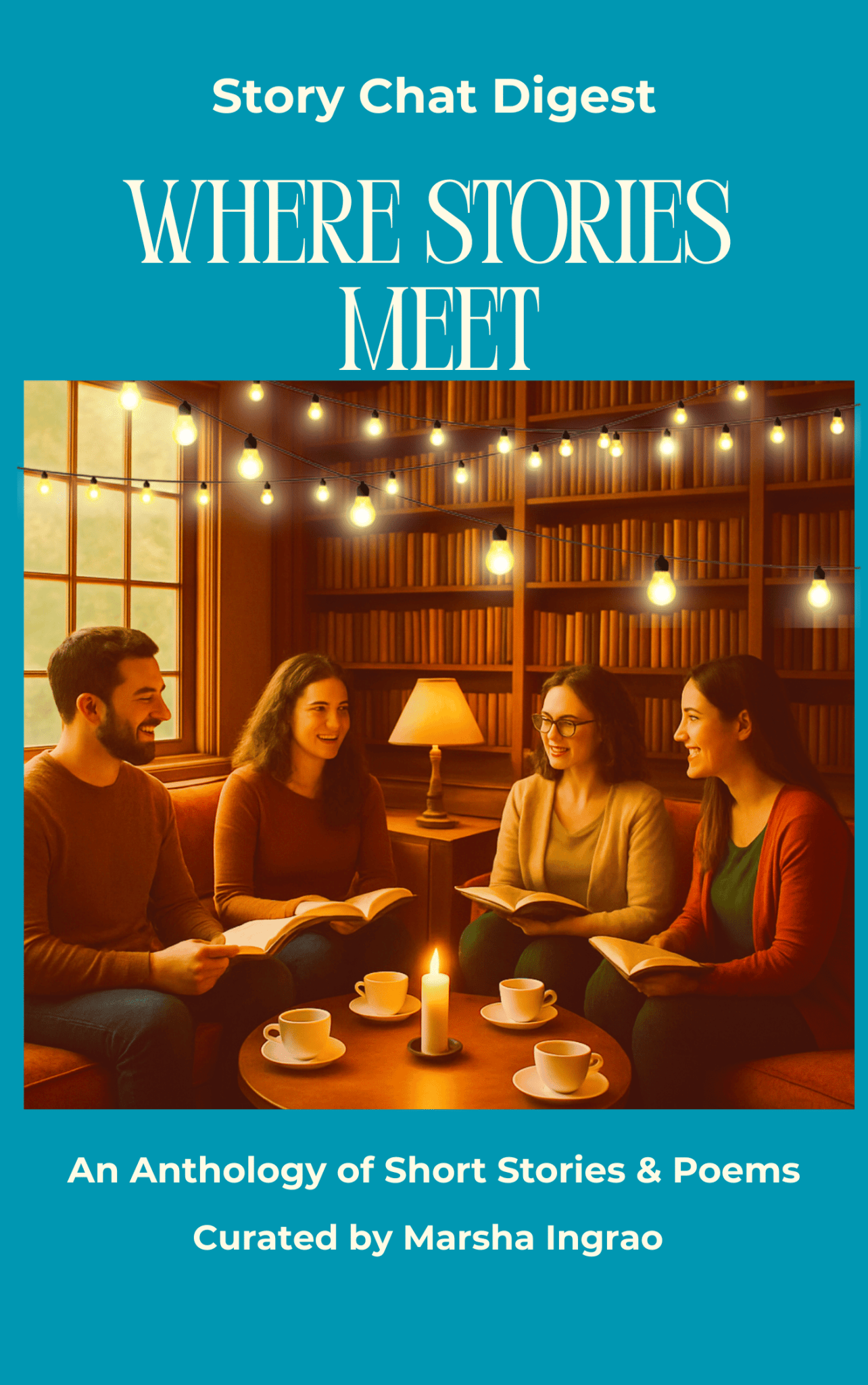
Image of the front cover of the book Story Chat - Online Literary Conversations
Story Chat – Online Literary Conversations

What’s Inside The Book?

The plethora of 22 stories encompasses a wide array of genres, each captivating in its own right.

What truly captivates me is the unwavering dedication of all the authors who not only poured their hearts into their stories but also embraced the invaluable feedback they received. It’s incredible how the majority of the feedback proved to be beneficial, guiding the authors towards refining their narratives. Ultimately, the decision to undertake a rewrite lay solely in the hands of the author, a testament to their artistic autonomy.

Not only do I have two stories in the Story Chat book, but I also have a few favourites in the book.

Did I Have A Favourite Story From The Book?

All the stories are immensely enjoyable and entertaining, but there’s one that truly captured my heart – ‘Dress for a Princess‘ by Wendy Fletcher. It’s an absolute gem of a story that had me on the edge of my seat, gasping for breath as I reached its spectacular ending. This is precisely what I crave in stories – an unexpected, brilliant twist that leaves me in awe.

Wendy Fletcher’s ability to weave such a captivating tale is a true testament to the power of storytelling. Wendy’s story is a prime example of the magic that unfolds within the world of short story literature, where authors can transport readers to captivating realms filled with intrigue and wonder in so few words.

All of the authors whose stories feature in the Story Chat – Online Literary Conversations book are prime examples of taking readers on entertaining journies that stay with you for a long time. They are also masters of short story writing.

Why not take a chance with Story Chat? Purchase the book or contact Marsha to contribute a story for the feature.

Story Chat – Amazon UK

Story Chat – Amazon.Com

Contact Marsha here.

Do you enjoy reading or writing short stories? What advice can you give writers thinking of writing short stories? Is short story writing something you’re thinking about doing? Do you have any questions about ‘Story Chat’ or writing short stories? Leave them in the comments section.

Click the buttons below to follow Hugh on Social Media

Copyright @ 2024 hughsviewsandnews.com – All rights reserved.
Why Books, Libraries And Writing Can Be Terrifying Places For Some

Every time I walk into my local library to pick up some recycling bags, I feel like I’m entering a world that doesn’t want me there. Or is it that I don’t want to be there?

For me, libraries can be terrifying places. Just like picking up a book and opening it can be a terrifying prospect. As an author and writer, you’d think that both would be something I’d get a lot of pleasure from. But I don’t.

Banner for the blog post 'Why Books, Libraries And Writing Can Be Terrifying Places For Some'
Does reading, writing or libraries terrify you?

Why Am I terrified of libraries and books?

Dyslexia – that’s the answer. As somebody who is dyslexic, reading and writing are two things I have always found difficult. And writing about dyslexia is even harder.

When I enter the library and face all those books that can introduce me to new characters and transport me to different worlds, I feel like a big door is being slammed shut right in front of me. Why? Because I know that I would find it difficult to read many of the books on the shelves.

How does being dyslexic affect me?

Being dyslexic affects me in many different ways. For example, I often find myself struggling to know what a word or its meaning is.

It doesn’t always come to me even when I try saying the sounds the letters make as they appear in a word. Struggling with a word in the middle of a sentence can stop me on my reading journey and sometimes make me feel like a failure. It’s as if the word is some sort of barrier preventing me from continuing my reading journey.

Occasionally, when I pick up a book, I encounter too many words I don’t understand. They can be the simplest words, yet my brain can not determine them. I start asking myself what those words mean. Are they important? Why can’t I say them?

If I have to go back to the beginning of a page or chapter because I don’t understand the plot or what’s going on, I will almost certainly give up on the book. I may have another go, but more often than not, I never pick up that book again.

It’s not only about reading.

When it comes to writing, one of the strangest things dyslexia does to me is not putting certain letters in the correct order. I struggle if a word has an ‘A’ and ‘C’ in it. For example, I can often type ‘because’ in a blog post, yet Grammarly will underline every ‘because’ I’ve typed because they’re all incorrect.

The same thing happens when using pen and paper. My brain is rushing ahead of me, causing my hand to travel in different directions as it pushes the pen that produces awful handwriting, not even I can understand. What I write resembles the scribbles I drew as a young preschool child.

But not all is lost, is it?

I’m pleased to say that I don’t have problems reading all books. I seem to go through peaks and dips with them. I have to be in the mood to read books. They have to be written in a way that I can understand exactly what’s going on. No silly accents or too many characters whose names all begin with the same letter.

So, unfortunately, you won’t find many book reviews I’ve written, yet you’ll find many comments I’ve written on the many blogs I follow. And by comments, I don’t mean the types that don’t offer any value. If I leave a comment, it’ll be at least a couple of sentences long.

For me, comments are like leaving book reviews. If I leave a comment, it’s because the words on a post have connected with me, and I want to engage with the author.

Happy endings

I allowed dyslexia to suppress my love of writing for far too long. In February 2014, when I published my first blog post, I felt like I had conquered it.

I’ve often heard it said that people with dyslexia have unique imaginations. I’m unsure if that’s true, but it’s been a happy ending. If it were not for blogging and the many bloggers who encouraged me to write, I’d never have self-published two short story collections.

Don’t allow me to stop you.

But even with my love for blogging, I still find books and libraries terrifying places.

It’s not just the fear of being judged for my reading speed or accuracy; it’s also the overwhelming amount of options available. With shelves upon shelves of books, where do I even begin? I had the same problem with blogging. I followed too many blogs, so I cut down on the number I was following. That helped.

For someone with dyslexia or any reading disability, picking up a book can be anxiety-inducing. The fear of being unable to understand the words and follow the plot makes it easy to understand why some people avoid books altogether.

And while libraries and bookshops may seem a haven for book lovers, it only adds to the pressure for some. Surrounded by so many books, it’s easy to feel like you should be reading them all, like you’re missing out on something if you don’t (just like all those blogs you follow).

How often do I hear or read that somebody is so far behind in reading blogs? They fear they could miss out if they don’t read them all.

The same happens with social media. How often do we see people with their heads down while looking at a screen? I’ve witnessed whole tables of people in restaurants, all with their heads down, looking at their phones while eating.

But the truth is, there is no “right” way to read. There is no “right” book to read. It’s okay to read at your own pace, take breaks when necessary, and stop reading a book or blog if it’s not connecting with you.

And remember! You don’t need to read just books to enjoy reading. I get far more enjoyment from reading blogs than I do books.

Books and libraries may be intimidating places for some, but there’s no denying the magic of losing yourself in a story. However, we can also lose ourselves watching a movie. It’s worth facing your anxieties and fears to experience that magic for yourself.

So, please, don’t be like me. Pick up a book, visit your local library, and don’t be afraid to take it one page at a time.

Who knows? You might find a new favourite author or even discover the joy of writing for yourself.

And don’t forget you can also do the same in the world of blogging. It’s a magical place full of content where you can quickly lose yourself.

Image showing tightly packed books on a book-shelve
Books! Friends or foes?

Now it’s over to you.

Are you dyslexic? How do you manage your reading, writing and blogging? What books or blogs are you reading that help you conquer dyslexia? Tell me about them by leaving me a comment.

This post was originally published in April 2019 and has been updated for republishing.

Follow Hugh on his social media platforms by clicking the buttons below.

Want more posts like this? Enter your email address and click Subscribe.

Copyright @ 2024 hughsviewsandnews.com – All rights reserved.

Confessions Of A Holiday Let – A True Story And Guest Post By Judith Barrow @judithbarrow77

I’m delighted to welcome Judith Barrow to my blog today, who shares a true story about the perils of holiday letting an apartment.

Having read some of Judith’s other stories of holiday letting, there’s always a humorous side to them which I believe would not only make a fanatics book, but a television comedy show.

Confessions of a Holiday Let – A true story by Judith Barrow

Will Judith’s story have you laughing as much as I did when I read it?

***

For many years we summer let the apartment which is attached to our house.

We had many visitors from other countries staying in our apartment and shared great times with them.

Couples from the USA, Australia enjoyed barbeques on the lawn; long boozy evenings of wine and slightly burned kebabs and steaks, of tall tales and laughter.

Visits to restaurants with people from France and Italy. Long walks and talks on the coastal paths with a couple from New Zealand that we’d met from there on holiday in Christchurch, followed by drinks in local pubs.

We had a German man stay with us for three weeks who’d come to participate in the Iron Man Wales event. He’d worked hard for twelve months, he told us and had to acclimatise himself to the course. Three days before the event, he caught a chest infection and had to drop out. Despite his anti-biotics, he still needed to join Husband in a double whisky that night.

Oh dear, I’m sensing a common theme here.

This is the story of our last visitor for the season one year.

He was a single man. We’ve had people come on holiday alone many times over the years and thought nothing of it. When he arrived, we quickly realised he could only speak a little English, and we couldn’t speak his language at all.

He hadn’t been in the apartment before he came to the door brandishing an empty bottle of washing up liquid.

“Oh, sorry,” I said, “I thought there was plenty in it.”

“Used it.”

An hour later, washing powder was asked for by a demonstration of vigorous scrubbing at a pair of underpants.

“There’s a box of it under the sink.”

“Used it.”

Sunday brought him to the door twice. First, with the sugar bowl.

“Used it.”

Then the salt cellar.

“I thought I’d filled it—”

“Used it.”

‘Used it’ quickly became the watchword whenever we supplied tea bags, vinegar or handing over shoe polish.

Monday, he arrived with an empty tube of glue.

“Sorry, we don’t supply glue.”

He stands, smiling, waggling the tube. “Used it.”

Husband went into his Man Drawer and produced a tube of Super Glue. Scowling. We never found out what the man wanted it for, even though Husband examined everything he could that would need to be stuck the following weekend.

Each day, at least once, the man came to the door to ask for something by waving the empty bottle, carton, container or label at us. Unlike most holidaymakers, he didn’t knock on the back door but always came round to ring the doorbell at the front. In the end, Husband and I would peer through the hall window.

“It’s Mr Used It,” one of us would say. “It’s your turn to go.” Pushing at one another. “You see what he wants this time.”

On Wednesday, he arrived with a cardboard roll.

“There are six more toilet rolls in the bathroom cabinet to the right of the hand basin,” I offered helpfully.

“Used it.”

Seven rolls of toilet paper usually last a couple the whole week. I handed over four more.

“What’s happening in there,” Husband grumbled, “do-it-yourself colonic irrigation?”

On Friday, Husband produced a list. “We should charge for this lot,” he declared. “See?”

It read like a shopping list: milk/salt/sugar/vinegar/butter/tea bags/ coffee/soap/soap powder/toilet paper/shampoo/glue/shoe polish.

“Really?” I said, even though I knew the chap had been a pest. “You’ve been keeping tabs on our guest?”

“Too true.” The husband was indignant. “We could even charge him for overuse of the battery in the doorbell.”

“Except that it’s connected to the electricity.”

“Even worse!” Husband grumped off to his shed.

Saturday morning came, and the doorbell rang. Smiling, the man put his suitcase down onto the ground and, vigorously, shook hands with both of us. He waved towards the apartment.

“Used it,” he said. “Very nice.”

***

Judith Barrow

About Judith Barrow

Judith Barrow is originally from Saddleworth, a group of villages on the edge of the Pennines, in the UK. She now lives with her husband and family in Pembrokeshire, Wales, where she has lived for over forty years.

Judith has an MA in Creative Writing with the University of Wales Trinity St David’s College, Carmarthen. She also has BA (Hons) in Literature with the Open University, a Diploma in Drama from Swansea University.

She is a Creative Writing tutor for Pembrokeshire County Council and holds private one to one workshops on all genres.

She has written all her life and has had short stories, poems, plays, reviews and articles published throughout the British Isles. She only started to seriously write novels after having breast cancer twenty years ago.

When not writing or teaching, she enjoys doing research for her writing, walking the Pembrokeshire coastline and reading and reviewing books.

Connect with Judith

Blog

Twitter

Facebook

Amazon

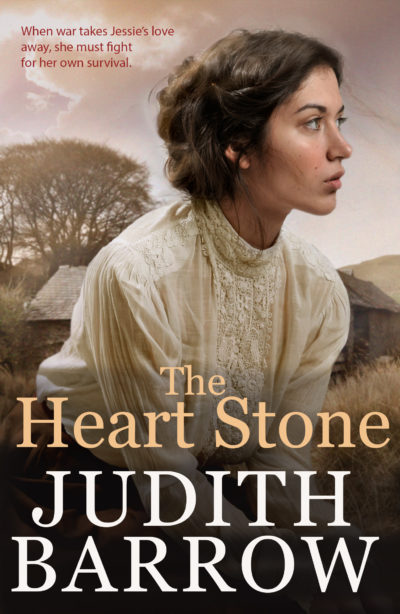
Judith’s Latest Book – The Heart Stone

The Heart Stone by Judith Barrow

1914 – and everything changes for Jessie on a day trip to Blackpool. She realises her true feelings for her childhood friend, Arthur. Then just as they are travelling home from this rare treat, war is declared.

Arthur lies about his age to join his Pals’ Regiment. Jessie’s widowed mother is so frightened of the future, she agrees to marry the vicious Amos Morgan, making Jessie’s home an unsafe place for her.

Before he leaves, Arthur and Jessie admit their feelings and promise to wait for each other. Arthur gives Jessie a heart-shaped stone to remember him. But with Arthur far away, their love leaves Jessie with a secret that will see her thrown from her home and terribly abused when she can hide the truth no longer. Faced with a desperate choice between love and safety, Jessie must fight for survival, whatever the cost.

Click on the book cover to buy The Heart Stone

More Books from Judith

Saga of the Howard family
The Memory

Click on the book covers to buy Judith’s books.

My thanks to Judith for writing this guest post.

If you have any questions or comments for Judith, please leave them in the comments section. She’d be delighted to hear from you.

Do you have a true story you’d like to share on my blog? Contact me via the ‘Contact Hugh’ button on the menubar.

Copyright © 2021 hughsviewsandnews.com – All rights reserved.
Not Stupid Today – A True Story And Guest Blog Post by Graeme Cumming @GraemeCumming63

I’m delighted to welcome Graeme Cumming to my blog. Not only is Graeme somebody I class as a friend, but he’s also a very talented author, writer and blogger.

A guest blog post by Graeme Cumming

Graeme’s true story opened up my eyes to something I’d never thought about when it comes to passing on wisdom and mistakes I’ve made in my life to those younger than me. Read his story and let him know how you pass on words of wisdom to the younger generation.


Unlike Bryan Adams, my summer of ’69 had nothing to do with playing guitar. Having struggled to play triangle during a school concert, I think it’s safe to say my musical abilities wouldn’t have stretched that far.

When I chose the wrong moment to hit the triangle, I was even more mortified than I might otherwise have been because my dad was in the audience. He didn’t tend to turn up for school stuff because of work – not many dads did back then. So, when he was able to put in an appearance, I wanted to impress him. Clearly, I was to be disappointed and, at the time, I assumed the same was true for him. It’s funny the perceptions we have of our parents.

That summer, we took a rare holiday. I suppose they were rare because we didn’t have the money for them. In those days, it was common for the husband to go to work and the wife to stay home and look after the house and children. With one wage-earner, a holiday was a luxury. Even better, we had two weeks at Mablethorpe, not just one.

Fifty-one years later, I still have great memories from that holiday. Great, though not all of them filled with joy. Not at the time anyway.

There was an incident where my dad and I were playing football on the beach. Sport had always been his forte. He’d even been signed as a professional footballer back in the fifties – though a foot injury put paid to his sporting career within weeks. Nevertheless, even with the injury, he was a good all-rounder. In his time, he played cricket, tennis and squash to a high standard, and even walked away with a trophy on the one occasion he played golf.

In contrast, my own sporting skills have always bordered on the inept. So there was very little surprise when I kicked the ball in the wrong direction, sending it hurtling out into the sea. The tide was going out and, before long, it became apparent that the ball was going with it. My dad did go after it – inevitably, he was a bloody good swimmer, too!

Like most kids, my dad was my hero. I thought he was capable of anything. So, when he swam back to shore and I could still see the ball in the distance, it’s fair to say I was disappointed. In short, I wanted my ball back.

Standing at the water’s edge, he pointed to where it was, bobbing further and further away. I felt very let down that he’d come back empty-handed. And I let him know it, too.

“You can still get it.”

“Graeme, it’s too far out.”

It didn’t look that far to me, a point I expressed pretty sharply.

“The tide’s taking it,” he tried to explain.

Perhaps the concept of tides was too difficult for a six-year-old. It was another thirteen years before I experienced the terrifying pull of the sea as a Moroccan beach seemed to recede very rapidly from my line of sight. And the overwhelming sense of relief as I somehow managed to scrabble my way back to shallow waters.

To this day, I don’t know whether my dad had ever gone through a similar experience, but he knew what he was talking about. I didn’t.

Hands on hips, I looked up at him and, in the manner befitting a child who isn’t getting their own way, let him know just how disappointed I was in him. After all, this was my hero. He was my Simon Templar, my Robin Hood, my Tarzan.

“Aren’t you brave enough?” It was an idea that was, frankly, shocking to me.

Exhausted from swimming against the tide, and faced with a similarly unreasonable question, I’d like to think I could show the same level of patience he did (I’m pretty sure I wouldn’t).

“Sometimes, Graeme, there’s not much difference between being brave and being stupid.” He glanced out to the ball. “I’m not going to be stupid today.”

Naturally, this quite profound life lesson went straight over my head at the time. And yet, strangely, the incident and the words stuck with me, until one day they made sense.

I’d like to say my dad was not only a great sportsman, but a philosopher too. But I can’t. Like each and every one of us, he was a flawed individual, and over the years I learnt as much from his mistakes as I did his wise words. And I’ve learnt even more from my own mistakes, especially from my youthful certainty that I was right, that I was invincible, that I would be my own hero. But that’s part of growing up.

Now, as a father myself, I see my children making their own mistakes, and hoping they’ll learn from them too. I’ve shared my words of wisdom, and hope they’ll remember some of them when the time is right. Sometimes those words have been dressed up in stories – because sometimes it’s easier to learn when you’re being entertained.

And I do like to tell stories.


Graeme Cumming

Graeme Cumming lives in Robin Hood country.  He has wide and varied tastes when it comes to fiction so he’s conscious that his thrillers can cross into territories including horror, fantasy and science fiction as well as more traditional arenas. 

When not writing, Graeme is an enthusiastic sailor (and, by default, swimmer), and enjoys off-road cycling and walking.  He is currently Education Director at Sheffield Speakers Club.  Oh yes, and he reads (a lot) and loves the cinema.

*** *** *** *** *** *** *** *** *** *** *** *** ***

Connect With Graeme

Blog

Twitter

Goodreads

Books

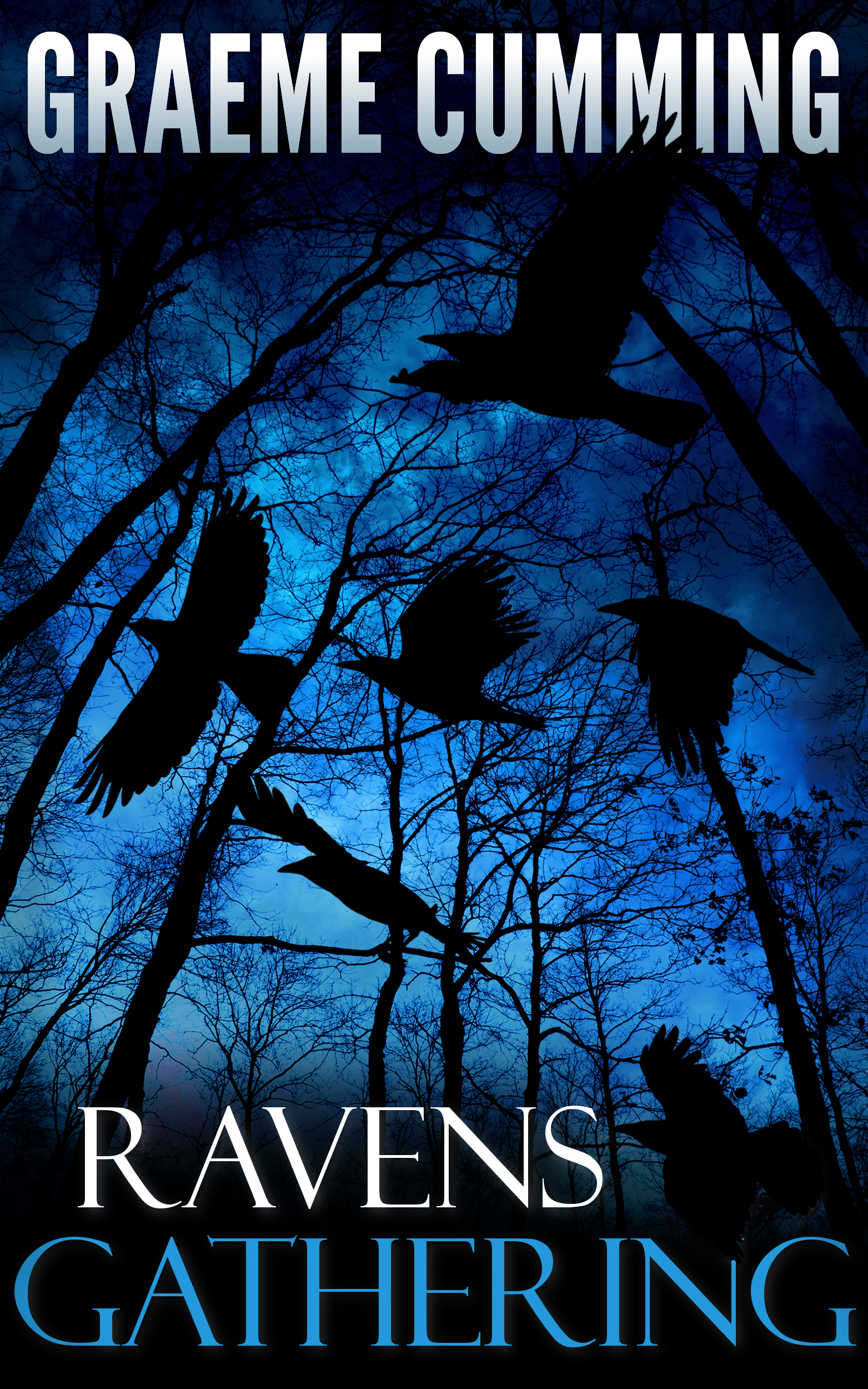
Ravens Gathering

Where To Buy Ravens Gathering:

Amazon UK

Amazon USA

Waterstones

Troubador

Signed copy

Carrion

Where to buy Carrion:

Amazon UK

Amazon USA

My thanks to Graeme for writing this guest post.

If you have any questions or comments for Graeme, please leave them in the comments section. He’d be delighted to hear from you.


For more true stories from my guests, click on the links below

Layout, content, settings, and format might differ on self-hosted blogs.

Follow Hugh on social media. Click the buttons below.

Can Dogs Solve Murders?

We may not have to introduce ourselves to some of you, but we’re Toby and Austin, two Cardigan Welsh Corgis owned by author Hugh W. Roberts and his partner, John.

#dogs #pets #corgis #books
Austin (left) and Toby

Why are we famous?

We had no idea that we’d be appearing as characters in one of the stories in Hugh’s book, More Glimpses. He didn’t even ask our permission to use us in the story, although we suppose we have to take into account that Hugh and John feed us, walk us, groom us, look after us, and keep us out of danger. Well, we say danger, but that’s not always the case.

What could possibly go wrong in a sleepy little village?

Picture this: A sleepy little village in the heart of Dorset, England, on a few sunny days in mid-June. The village may look quaint and as if nobody dared think about committing murder, but nobody knows what goes on behind closed doors, do they?

Murder At The Vicarage - Miss Marple

Those doors can hide all kinds of dark secrets, even more so if you see the door handle or letterbox flap moving frantically while walking past. Is something trying to get out or, even worse, something you can’t see trying to get in?

#dogs #pets #corgis
©hughsviewsandnews.com

What you shouldn’t do when you discover murder has taken place.

We found ourselves deep in a murder mystery from the day we arrived in Evershot. All you humans seem to do is panic when you hear the news of a local murder because you think you could end up as the next victim. Silly thoughts start entering your minds, like: “Is it safe to go out after dark?” or “Does rubbing salt into an arctic white carpet remove blood-red wine stains?”

#pets #dogs #corgis
©hughsviewsandnews.com

Because we have a better sense of smell and sound than you humans do, you may think we had an advantage in solving the case. But you humans have a far better sense of sight than we. Use your eyes and look for those red herrings when reading ‘Murder in Evershot‘ because, like all good murder mysteries, they are there. Sure, we used our noses and ears to solve this case, but not every smell or sound was what we expected.

#photography #WordPress #space #dogs #corgis
Did anyone say treats?

Did we really solve a murder?

You’ll have to read the story to find out how the murder(s) were solved, but if you still don’t know when you’ve finished reading it, then make an appointment with us as the first client of Private Investigators Toby and Austin (Cardigan Welsh Corgis), Bureau of solving the unknown and missing dog treats. However, we’d much rather play chase with each other.

Toby and Austin play

Story 7: Murder In Evershot

Genre: Murder/Mystery

Set in the sleepy English village of Evershot, John, Toby, Austin, and Hugh find themselves in grave danger when several murders take place. Can they find a well-known detective who lives in the village and ask for her help in solving the murders before the murderer finds them?

If you’d like to meet more characters from More Glimpses, click here to meet Jane Collins from the story The Jump, and here to meet the strange ‘being’ from the story The Man In The Television.


This post was written in response to this week’s theme of ‘A Dog’s Life‘, for the Sunday Stills challenge hosted by Terri Webster Schrandt.

All photos in this post are copyrighted by Hugh W. Roberts

Copyright © 2019 hughsviewsandnews.com – All rights reserved.