Do you remember how you felt when somebody first pressed the ‘like’ button on one of your first blog posts?
For me, it was that glass ceiling moment where I’d shattered through to the next level of blogging because it was proof that somebody had actually read one of my posts. I can’t tell you how thrilled and motivated I felt.
Fast forward to today, and my attitude towards the ‘like’ button has significantly changed.
I’ve been here bofore
I first published blog posts about the ‘like’ button in 2017 and 2023. They gathered a lot of attention and discussion. Three years on, I want to find out if attitudes towards the ‘Like’ button have changed.
What caused me to come back to talking about the ‘Like’ button?
My curiosity was sparked during a discussion I had on one of my recent posts with Debbie, who blogs at The Doglady’s Den. Here’s what Debbie had to say.

Debbie’s comments made me think about the ‘Like’ button and the love/hate relationship many bloggers have with it.
The Like button doesn’t have any disadvantages, does it?
Surely not? After all, anyone who clicked the ‘Like’ button on any of your posts has read the entire post, hasn’t they?
But are we fooling ourselves and not saying anything about it? Well, you know me! I like discussing subjects that many other bloggers don’t like to talk about.
Stop fooling yourself into thinking that anyone clicking the ‘Like’ button has read your entire post.
Some will have read your entire post, but we have to accept that not everyone who clicks ‘Like’ has read it all. In fact, some will not have read any of the post they’ve just liked.
Seeing those first ‘Likes’ on my early posts motivated me to write more blog posts, hoping they would attract even more ‘Likes.’ Of course, if somebody also left a comment, that was a bonus!
It was not long before I discovered that the ‘Like’ button has disadvantages.
Some bloggers said that seeing too many ‘likes’ on a blog post makes them feel demoralised.
I understand why some bloggers may say that.
In turn, some users go on to delete or abandon their blog or develop ‘blogging envy’ at seeing how well other users are doing compared to themselves.
One Blogger told me that for them, the number of ‘likes’ was more important than the content; in other words, they saw blogging as more of a popularity contest. She said she could publish a one-word post and guarantee that people would still click the ‘like’ button. The more ‘likes’ you got, the more popular you were.
Another blogger told me that they measured the success of their posts by how many ‘Likes’ each post got. “But what about comments?” I asked. “Aren’t they more important and better for measuring success?” I was returned with a glazed look and told, “No, because those short comments don’t prove they read the post.“
I shook my head in disbelief.
Have I ever misused the ‘Like’ button?
Before I answer that question, here’s what WordPress says about the ‘Like’ button and when it should be used.
Let’s say you’ve found a particularly awesome post on WordPress.com. You’d like to tip your hat to the author and give him or her credit. At the bottom of the post, you see the Like button. Press it, and the author will know that you have acknowledged an exceptional, phenomenal blog post.
WordPress.Com
Can all blog posts from the same blogger be exceptional and phenomenal? My answer to that question is ‘No.’ And my answer to the question asking if I have misused the ‘Like’ button is ‘Yes.’ And here’s why.
As I grew my blog and the list of blogs I followed, it wasn’t long before I realised there wasn’t enough time in my day to read, like, and comment on all of them.
I was soon overwhelmed and drowning in a sea of voices, all wanting my attention.
Rather than unfollow any blogs, I began to ‘like’ posts without reading them. I thought that doing this would indicate to the blogger (who had written the post) that I had read their post, and they, in turn, would continue to read and ‘like’ my posts. I was fooling both them and myself.
And I soon discovered that other bloggers were playing the same game because they were all in the same boat as me. Some users (including me) were misusing the ‘Like’ button.
A dilemma. What would you have done?
Would you press the like button on a post containing bad news or news of death?
When I read a blog post about the death of somebody’s partner, I asked myself what I should do. Should I click ‘like’ or just leave a thoughtful comment? After all, many readers had already clicked the ‘like’ button. Did those who clicked it not read the post? How could they have pressed the ‘like’ button on a post about somebody’s death? Was it a sign of support because they didn’t know what to say?
That was the day I left my first comment without clicking the ‘like’ button. It made me rethink what the ‘Like’ button was for. Now I’m leaving comments without clicking the ‘Like’ button much more often. But does anyone notice if you don’t click the’ Like ‘ button?
Is this the most shocking reason as to why some click the ‘Like’ button?
What shocked me the most was why some bloggers and readers click ‘like’ even if they haven’t read the post: they claimed it shows support for the blogger who wrote it, even though they didn’t read it.
Really? Is liking a post without reading it a way to support other bloggers? Sure, it shows you visited their blog (unless you clicked the ‘like’ button in the WordPress Reader), but are there no better ways to support bloggers?
Yes, there are many, many ways to show support for a blogger that are better than clicking ‘Like’ on a post you have not read. How about leaving them a thoughtful comment on one of their posts every now and again, or sharing it on social media?
Don’t have time to leave thoughtful comments?
I always roll my eyes when bloggers say they don’t have time to leave thoughtful comments. Nobody is asking anyone to leave thoughtful comments on every post, yet some bloggers feel guilty if they don’t leave any comment at all. Rather than spending small amounts of time leaving short, non-engaging comments on many posts, use the time you’d save to leave the occasional thoughtful comment that adds value to the post.
Nobody needs to prove they visited a blog by doing nothing but clicking the ‘Like’ button. Most bloggers will value you more for leaving a thoughtful comment occasionally than for leaving many comments that add no value.
I’m not done yet, but…
I have so much more to say about the ‘like’ button, but back to Debbie’s question – ‘Have you ever been tempted to get rid of the ‘like’ button?’
Have you?
I’m finishing this post off here because I want to hear from you.
I’d love to know your thoughts about the ‘Like’ button. Here are some questions to think about. Feel free to leave your answers in the comments section.
- Do you have a love-hate relationship with the ‘like’ button?
- Have you misused the ‘like’ button?
- What makes you click the ‘like’ button?
- Would you click the ‘like’ button simply because of who published the post?
- Do you take any notice of who has clicked the ‘like’ button on your posts or the posts of other bloggers?
- Is the ‘like’ button overrated?
- Does the ‘like’ button lose its appeal the longer you blog?
- Do you leave comments without clicking the ‘like’ button?
You can follow me on the following sites.
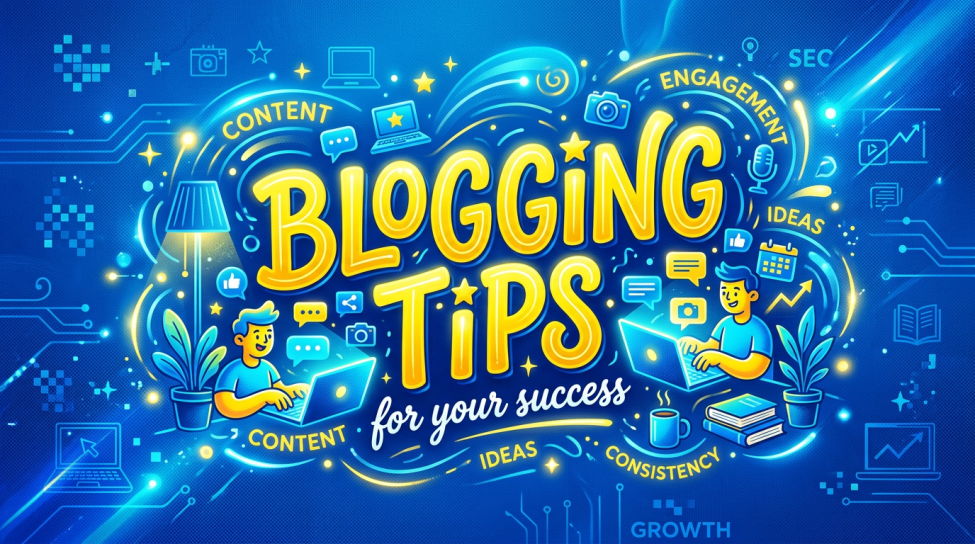
The featured image in this post was created using the WordPress image generator. AI was used to check for grammar and spelling mistakes and to help with the layout of the post.
Copyright @ 2026 hughsviewsandnews.com – All rights reserved.















Feel free to leave a comment. Engagement helps keep blogs alive and forms community.