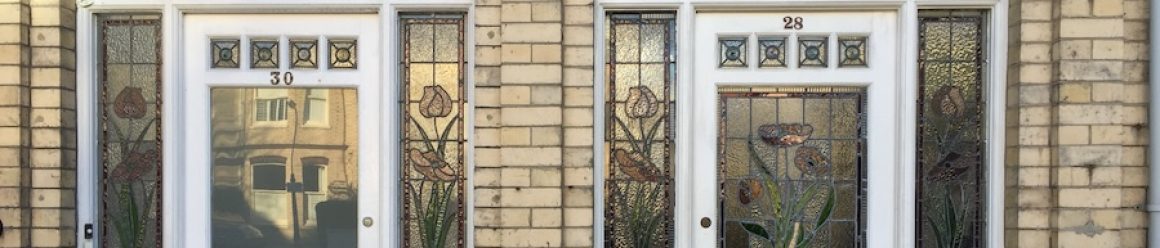

Let me begin with a new scam that is unrelated to blogging or publishing. It’s a scam that comes via a voicemail message on mobile phones.
I’ve lost track of how many times I’ve had the same call and message saying, ‘Please add my number to WhatsApp.’ Each time, the number the scammer uses is slightly different, but it’s always the voice of the same woman.
Thanks to Apple’s advanced AI, my phone now does a great job at identifying spam calls and sends them straight to voicemail. It doesn’t even ring. The spammers’ numbers then show in my call list, which I mark as ‘Spam – Delete and send details to Apple.’ I should add that since I enabled AI on my phone, the number of spam calls I receive has dropped significantly.
The latest Blogging scams
Recently, I encountered a concerning blogging email scam. It purportedly originated from WordPress, claiming that my payment details were incorrect in my account and included a link for me to click to rectify them.
I immediately recognised the email as fraudulent because the email failed to address me by name. All it said was ‘Dear WordPress User,’ But what alarmed me was that the same scammer went on to also send me the same email through the ‘Contact Hugh‘ form on my blog, neglecting to begin the message with ‘Dear Hugh.’ It’s important to note that I request anyone using the form to begin their message with ‘Dear Hugh,’ as this practice helps identify potential spam, particularly from automated spam bots.
I don’t know how the scammer obtained my email address, but it must have appeared on a list with some connection to WordPress. This is likely how they discovered I had a WordPress blog, although nowhere on my blog do I provide an email address. Anyone wanting to contact me must go via the ‘Contact Hugh’ form.
Although this was an easy scam for me to spot, I still feel bad for any blogger who falls for it. If you are unsure whether an email from WordPress is genuine, always log in to your WordPress account to verify any details. Never click on any uninvited links and never give an email address anywhere on your blog.
However, more concerning was news of a blogging scam that involved using royalty-free platforms, such as Pixabay. Author, writer and blogger Jacqueline Lambert left a comment on my recent post, Where To Legally Source Amazing Images For Your Blog Posts.’ outlining how she was almost scammed by a company after using a royalty-free image from Pixabay on one of her posts.
I strongly encourage you to read Jacqueline’s insightful post ‘Bloggers Beware The Copyright Trolls – Even If You Use Royalty-Free Images‘ to glean valuable lessons from her experience. It is imperative to remain vigilant and not become a target of such scams that specifically seek to exploit bloggers.
I would also like to reiterate that downloading and publishing copyrighted images or photographs on your blog is strictly prohibited. Always verify that such materials are free for use. This also applies to reblogging blog posts from other bloggers that contain images or photos. If you share copyrighted images from another blogger’s post, you could be fined.
A plea to you – yes, you!
Despite my recent post addressing copyright infringement, I continue to observe bloggers (you know who you are) using images and photos in their posts without proper attribution regarding their sources. They probably believe that nobody will come after them for downloading and using copyrighted images, but I know of two bloggers who have been fined for doing so. Never believe that it will never happen to you.
Even if the images and photos are your own, I recommend that you indicate in your post that they are your property. If you don’t believe me, read Jacqueline’s post. As she elaborates, numerous companies are employing image recognition technology to scan the internet for unauthorised use of images and photographs, especially in blogging posts. Some bloggers have even been threatened with legal action and fines for using their own pictures.
The latest publishing scam
My thanks again to Jacqueline, who recently published a guest post by author Peter Barber about a publishing scam he fell for. Titled ‘Publish and Be Damned: How I Got Scammed, Learned My Lesson, and Came Out Fighting‘, Peter details how he fell head-over-heels for a scam many authors will probably encounter at some point in their writing lives. I urge you to read his post and learn from it because it could happen to you.
Are you aware of any current scams related to blogging or publishing? Please share details in the comments section. Have you ever fallen victim to a blogging or publishing scam? If so, what happened?
The featured image on this blog post is sourced from Pixabay. AI reviewed spelling and grammar errors.
You can follow me at the following sites.
Copyright @ 2025 hughsviewsandnews.com – All rights reserved.
Discover more from Hugh's Views & News
Subscribe to get the latest posts sent to your email.
 Hugh's Views & News
Our scams here are actually phone scams, since I don’t own a cell phone. The manly man voice at the other end, usually with a smiley tone (it’s been a GOOD day) and “hi, how are you? My name is Steve and I wanted to ask if…” click. usually they want a donation to some fund or other (Probably the let’s get rich fund), and if you fall for it, the manly voice with the manly name (no Nicky or Rudy here, nossir) will reward you with a request for a donation to whatever charity (usually the one he’s head of) they are espousing. Nice voice, though. Sometimes I let them chat for a bit, I figure if they’re tied up with my convo, they can’t be scamming someone else…
I don’t get many landline scams anymore, but since the introduction of digital lines, the phone company promised fewer scam calls. They were right.
I’ve also kept scammers on the line, talking, knowing that they are not trying to scam anyone else. Sometimes, they get annoyed at me for taking up so much of their time, but all that does is make me laugh at them.
Hi Hugh, The main scam I am running into is people wanting to help me market my book. They act like they read it. One lady even said she would leave a review. They invite you to get more sales by letting them market your book to book clubs. This sounds like a great idea, but it comes for a fee. Other bloggers said that they have also received emails like these. I look at their email. If they say they are from a company or a library, I look at their email. Usually it is gmail. I’ave carried on conversations with several of these women – usually – but haven’t fallen for their schemes. After a while they drop off, thankfully.
Thanks for this post. I have linked it to my recent post with a note about what it is. It’s important for people to be aware.
As soon as I hear the word ‘fee,’ alarm bells ring, Marsha. I get messages from people almost every day, saying how much they love my blog, reading my posts and how I inspire them, before going on to ask if they can write a guest post. The problem is that none of these people has ever left me a comment (let alone a ‘like’), so I delete those messages straight away. I’ve also made it clear on my ‘Contact Hugh’ form that messages must start with ‘Dear Hugh,’ otherwise, I know they’ve not read the requirements and that it’s a scammer or spambot who is trying to contact me. Doing this has worked so well for me.
Thanks for linking to this post, Marsha. The more bloggers that see this post, the better we are at stopping them from being scammed.
Perfect, that’s another benefit of blogging I hadn’t thought of. I love the Dear Hugh idea. I’m going to add that to my contact page right now. I’m working on updating my pages today. I’ve been using ChatGPT to help me make them AEO friendly. I didn’t even know what that was until I read an email from a writing friend of mine. She gave me the text to write in, and Chat GPT analyzed my website. Long story short, it suggested that to be more clear I should add the post about What Happens to a Story Chat story and then link it to the SCD page. One thing that ChatGPT helps me do is clarify my thinking and focus. As you know, I’m a rambler. Great at conversation, not so great at succinct. :) xxx
I’m glad you have embraced what ChatGPT can offer, Marsha. Many choose to fight it rather than use it to help them. After all, when the calculator came along, nobody stopped doing mathematics, did they?
Or stopped using pens and pencils when typewriters came along. We did stop using typewriters when computers came along, though, but we didn’t stop typing. However, I chased the ChatGPT rabbit down the hole all day yesterday. LOL
These scammers are despicable. I’ve gotten to the point where if I didn’t seek out information from X, into the spam folder they go. I also don’t answer my phone.
I left X for various reasons but mainly because of the fake news on it since a certain person took it over. Of course, there is fake news everywhere on social media, so I tend to scroll rather than read anything on it.
I left Twitter shortly after Musk took it over. The X I referred to in my comment is any random scammer.
As always you look out for us and care for our welfare.
I try. I hate the thought of any of my blogger friends being scammed.
Thanks for keeping us abreast as always Hugh. It never ends. :)
It doesn’t, does it, Debby? That’s why sharing the information can make such a difference.
Absolutely Hugh! :)
I got the wordpress email too! About the payment being declined, but I knew it was a scam, so I didn’t fall for it!
Good to hear you never fell for that scam, Carol Anne.
Will adding a watermark to my own photos be sufficient? I have never used any images that aren’t my own but wonder about someone coming along and using mine.
Thanks for the latest info on this.
Bernie
Watermarking photos is recommended, but stating on your blog post that all images were taken and are owned by you adds an extra layer of safety.
Worrying to read this Hugh, also the blogs you mention contain concerning information. It makes me thing of deleting some older blogs that just in case I’m targeted. Lately I haven’t been using many images but I’ll think twice from now on. Thank you so much for sharing this.
I’m currently going through all my blog posts and deleting any images I can not guarantee were free to use, Paul. They’re mainly on flash fiction posts where the image was on the post of the blogger who hosted the challenge. Other than that, it seems I don’t have any, but I’ll keep checking.