

In this digital age, sharing personal stories and experiences has become a hallmark of blogging, but it comes with its dangers.
It’s not something I do much, as I prefer to keep my personal life offline. However, I also don’t want to share personal information that anyone could use to scam me, others or steal my identity. Additionally, I don’t want that to happen to anyone who visits or leaves comments on my blog posts.
However, while authenticity can resonate with readers, there can be hidden dangers in revealing too much personal information in blog posts.
1. The Privacy Risks
When you share intimate details about your life, you may inadvertently attract unwanted attention. After all, do you know the identity of everyone who visits your blog? No! And how many of you get unwanted direct messages?
Scammers and trolls are always on the lookout for information that users freely share about themselves online. This could lead to online harassment, being scammed or identity theft, particularly if you disclose sensitive information such as your full name, location, birthdate, or financial details.
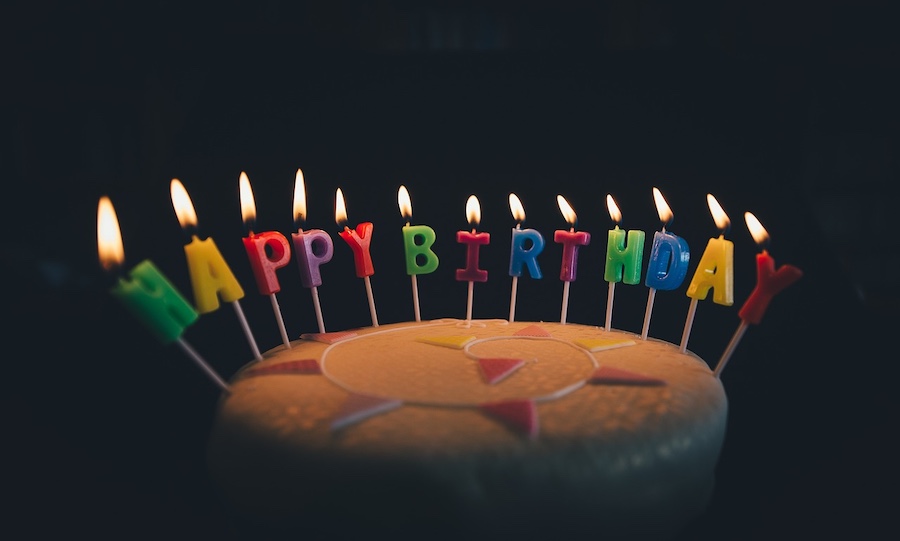
I’ve no problem with bloggers announcing it’s their birthday, but when they also disclose their age, I ask myself if they would give out their name and full date of birth to a room full of strangers.
Of course, if they don’t use their real name on their blog, then it’s not a problem; however, some bloggers seem to want to share as many details about themselves as possible online, believing they are only talking to family and friends, when the reality is that many people reading their posts are likely strangers.
Always remember that the internet is a public space, and once information is shared, it can be challenging to retract.
Don’t be tempted. Keep in mind who is reading your posts. Keep your personal details safe.
2. The Professional Consequences
Many bloggers use their platforms to advance their careers, but sharing too much personal information can harm their professional reputation, especially when they leave comments or say things considered discriminatory or hateful towards others. Potential employers or clients may judge you based on your blog and the comments you leave, including those on social media.
I’ve witnessed professional people leave discriminatory comments on various social media platforms, despite their bio listing the name of their employer. It’s important to ensure that your personal narratives align with your professional image. Maintaining professionalism in your blogging and online presence can protect your career and help you present yourself in a positive light.
3. Impact on Relationships
Blogging about personal experiences can impact your relationships, as friends, family, and work colleagues may be uncomfortable with how you portray them. It’s important to seek their consent before sharing their stories and to communicate openly about your blogging intentions to maintain healthy relationships.
If you are considering blogging about personal experiences that affect family, friends or anybody from your past, consider using a pseudonym for those people so that visitors to your blog cannot trace themselves or people they know to what has been said about them.

Also, think about any photos you publish on these kinds of posts and whether they show the identity of the people you are talking about in your posts.
4. Legal Implications
Just because your blog is small, don’t believe that facing legal implications will never happen to you.
While you may be familiar with the defamation laws in your country, they can vary by region. Sharing certain personal details about others without their consent can result in legal action.
Now, I do not want to alarm anyone, but please exercise caution when discussing events or situations that might portray someone in a negative light. Always consider the potential legal implications of your content before publishing it. If you are not happy with it, don’t publish it.
If you want to write and publish a post about another blogger, always ask for their permission first, even if what you want to write is giving them lots of praise. After all, they may not want any praise or be in the limelight.
Ask first, then consider your actions.
5. Images and photos
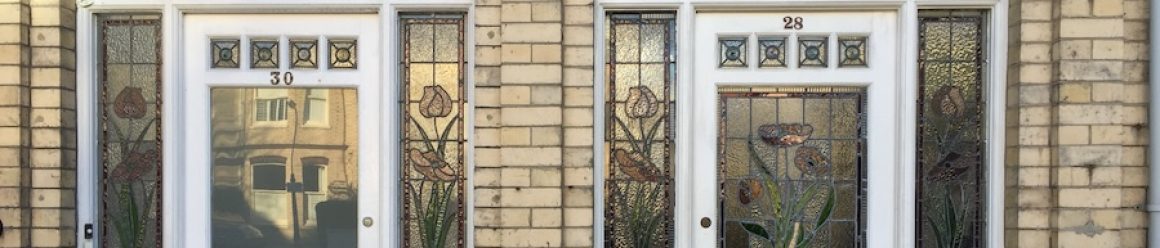
Be careful with what images or photos you include in blog posts. They may contain personal information about you that you never considered unsafe. For example, I’ve seen pictures on blogs that show a blogger standing by the front door of their home. On the wall next to the door is a number and the name of the street on which they live. Nothing too bad, you may think, but on their ‘about’ page, they inform visitors of the city, town and country where they live. Now, anyone visiting that post and checking their ‘about’ page will have their full home address.
Think before you include any images or photos and ask yourself, ‘Does this reveal any personal information about me or my family that I do not want revealed?’
6. Going away?
If you are taking a break from blogging, there is nothing wrong with informing your readers that you will be away from the blogging world for a while. A simple notice can help maintain transparency and keep your audience informed about any pauses in your content schedule.
However, you do not need to disclose any personal reasons for taking a break to them, especially if it means you are going away; it’s perfectly acceptable to keep the specifics private.
Your readers likely understand that life can get busy. Amid daily activities, it’s essential to communicate concisely while maintaining clarity. However, suppose you have disclosed personal information about your location on your blog (including in photos) and informed readers that you will be away from home for an extended period. In that case, there is a potential for anyone reading the post to know your home is empty.
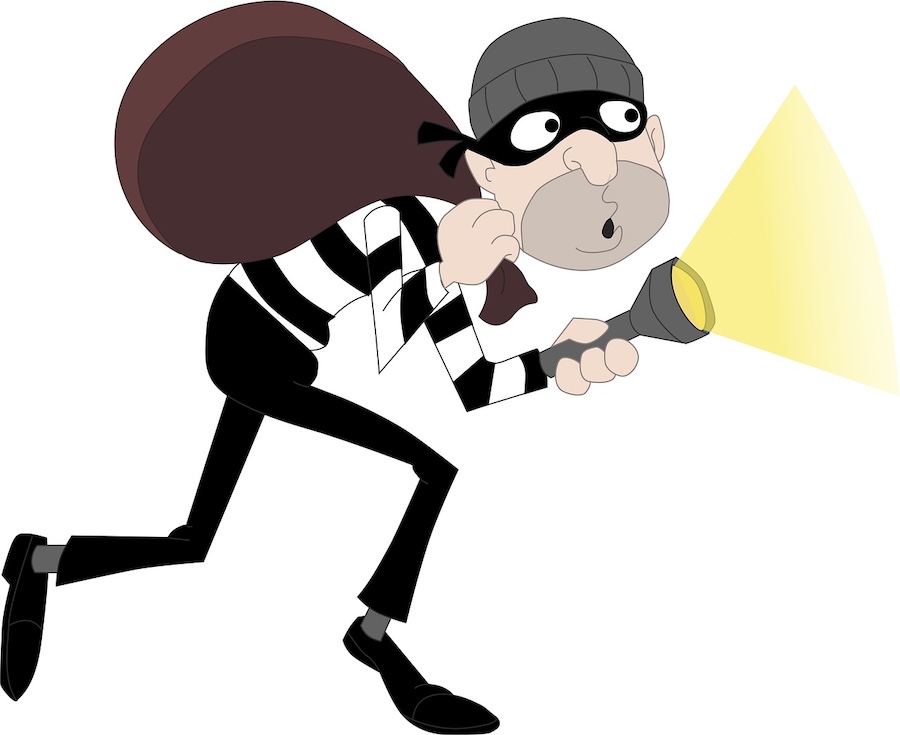
This can inadvertently expose you to risks, as not only are you sharing your plans, but you are also providing a crucial piece of information that can be misused. This is why it’s vital to exercise discretion when discussing your travel plans publicly; consider omitting specific details about dates and duration to ensure your privacy and security remain intact. Ultimately, while it’s important to engage with your audience and keep them informed, maintaining your home’s safety should always be a priority.
7. Moving Forward
Connecting with your audience is essential, but just as when checking comments on your blog, moderation is key. Share relatable experiences without revealing too much personal information. Consider using pseudonyms or altered details to disguise identities while still sharing relatable stories. Consider the potential consequences of your content before publishing it.
Summary
- Over-sharing personal details can attract unwanted attention and increase the risk of scams, harassment, or identity theft. The internet is public, and once shared, it’s hard to retract information.
- Excessive personal sharing can affect your professional reputation. Employers may judge you based on your blog content, including comments that could be seen as discriminatory.
- Blogging about personal experiences may strain relationships, especially if friends, family or work colleagues are depicted in ways that make them uncomfortable. It’s important to obtain consent and clearly communicate your intentions.
- Even small blogs can face legal consequences for sharing personal information about others without consent. Be cautious when discussing sensitive topics or portraying individuals in a negative light.
- Photographs can inadvertently reveal personal information. Consider whether photos might disclose details about your location or identity before including them in posts.
- Informing readers about breaks is fine, but keep personal reasons private. Avoid sharing details about travel plans that could risk your home security.
- Engage your audience while being mindful of privacy. Use pseudonyms or alter details to protect identities and think through the consequences of your posts.
- While blogging fosters connection, it’s essential to share experiences without compromising privacy or safety. A balanced approach helps maintain your integrity as a blogger.
Are you disclosing too much personal information regarding yourself and your family online, or do you consider what you are disclosing to be safe? What safeguards have you implemented to shield both yourself and your audience from potential scams, identity theft, and unwarranted scrutiny?
The featured image in this blog post is taken from Pixabay. AI checked spelling and grammar mistakes.
I’m getting tough with non-engaging comments. Comments such as ‘Nice post’ are marked as spam.
Click the buttons below to follow Hugh on Social Media
Copyright @ 2025 hughsviewsandnews.com – All rights reserved.
Discover more from Hugh's Views & News
Subscribe to get the latest posts sent to your email.
 Hugh's Views & News
Words of wisdom, Hugh. It can be so easy to let our guard down… after all it’s just among our little blogging “family” right? Not so much. It’s sad that we always need to be vigilant against the bad guys.
I think that’s a big part of the problem and dangers, Janis – ‘our little blogging family’, when the truth is that many others join us, whom we have no idea about. Being online can be a dangerous place, but only if we allow it to be.
A very helpful and useful post, Hugh. I feel I’m an “oversharer” as I find it important that people understand what’s going on in our adventurous lifestyle, but I hope I’m not making it too personal at times. Then again, since we never live anywhere, I could never reveal an address or our exact location. Unless you happen to drive by and recognize our cow camper, you’d never know where we “live.” :)
People are inquisitive, Liesbet, so I guess it’s more about how comfortable you are with sharing personal details online. I get asked questions, but I prefer to respond offline, only to those I know I can trust.
I remember you saying that people recognise Thirsty Bella from your blog posts. And, yes, given how you are constantly on the move, nobody will ever know your address.
Wise words, Hugh. I never post photos of other people on my blog, or Facebook. In my opinion, it’s rude to do so without asking.
Same with written info. If I mention anyone, I never use their name.
I’m in a critique group, and do a lot of critiques for one particular author. He wanted to add my name to his Thanks page in his book, but first asked me if I minded.
Simply good manners as far as I’m concerned.
Absolutely, V.M. I’ve turned down numerous requests from other bloggers to be mentioned or featured in their blog posts. For me, it’s not about promoting me, but more about engaging with me.
Thank you for your detailed analysis and advice. While submitting our photos, better we remove the location details etc. Just a thought.
It’s a great tip, although the location doesn’t reveal our home addresses, unless we’ve shared that information elsewhere on our blogs.
True. Somewhere, one can forget small details unknowingly they provide about themselves.
Excellent post, Hugh. We can’t be too careful about what we share online. I don’t share details of where I live or personal photos. There are a couple of photos of me for profile purposes. This is a great reminder that we must be aware of consequences that can occur.
Likewise, I have a few photos of myself on my blog, and my ‘About’ page states where I live in the world, but it does not provide details such as my date of birth, address, names of family members, where I used to work, etc. After all, I have no idea who is looking at the information I share.
Again, an excellent reminder we must be careful, Hugh.
This is super-important facts! Thanks for sharing.
All excellent and valid points Hugh. I always try and be careful when I’m posting photos of others and ask for permission. It’s a fine line often when we write about our daily lives. Your post definitely made me think twice. It really pays to be careful.
Yes, I agree, Miriam. There is no harm done if people are happy for us to publish photos of them in our blog posts, but when it is done without their permission, it can cause a lot of unwanted friction.
I’m a bit guilty of oversharing, Hugh. This post is a good reminder to skip certain details. However, I’m always careful not to include too many family photos or share their names. In my last post I blurred the faces of the two minors in one of the pictures.
Aksimet really does block a lot of random spam. I also delete random subscribers who are from certain countries or who have no interest in my posts. I do this every few days so I don’t send them a post. Not sure if that helps, but its one precaution.
I also refrain from politics on my blog. And I always blur out addresses, license plates, etc in my images. And I’m careful not to add alt text that IDs people.
That being said, being completely anonymous is useless to me. I like to engage with people and build relationships. Some day it may get to a point where this stops working and security issues happen. At that point it will be time to stop blogging.
Again, thanks for this useful and timely post, Hugh.
Blurring faces in photos and unsubscribing followers we are suspicious of are good ideas in helping us keep personal information safe, Terri. But, of course, people don’t have to be subscribed to our blogs to be able to read our posts. They can bookmark our sites and view posts whenever they visit, but I agree that most would be unlikely to visit again unless they receive reminders about new posts.
I have some great photos of my great-niece with my two dogs that I would love to share on my blog, but my niece does not want me to publish any photos of her online, so I have done as she asked and never published any photos of her. She told me that she gets angry with other family members posting pictures that include my great-niece on other social media platforms, such as Facebook. Additionally, she dislikes it when they post photos on social media while they are on holiday and away from home. Every time her doorbell app sounds, she gets stressed that somebody is trying to break in. On one occasion, she thought her Stepson and his girlfriend were breaking into the house because she couldn’t see their faces on the camera due to them both wearing baseball hats. I suppose it can sound like she’s over the top with this, but if those family members stopped posting photos on social media while they’re away, I think she’d have a much better and more relaxing holiday.
My partner has also requested that I not post any photos of him on my blog, so that’s why nobody knows what he looks like (unless they have met him). It’s much better to ask first, rather than causing friction with family members and friends without their permission.
People value their privacy for sure, Hugh. And its always wise to ask. Thanks again for these great reminders.
You are so right, Hugh! About 10 years ago, I removed quite some information from my FB account. It is sad but we need to be careful with our personal data. On the other side, that personal data is how people you have not met in ages can find you again on FB. However, I agree with you that we need to take care for many reasons.
It is sad that we have to be careful about what personal information we share, but it’s better to be safe than to freely give out information that could later be used against us, Erika. We can make our blogs private so that only those we want to see the information can see it, but I enjoy meeting new people, so I prefer to keep my personal information safe.
I agree with all you said, same thoughts about this matter over here. You just reminded me that I wanted to check my FB profile for quite a while … just in case.
A thought provoking post, Hugh. One can’t help writing about family and friends from time to time which is why I use a pseudonym. We all have our foibles and if my siblings were writers, I’m sure I’d be embarrassed as hell! But specific dates and places is a bad idea. I have had people track me down and even call me! Yikes!
Call you? In a good way, I hope, Jan.
I think it’s important to get someone’s permission first, though. I’ve witness family and work colleague fallouts over stuff put online, although mainly on social media.
This is definitely food for thought. It’s so tempting to disclose too much. We also think family won’t mind if we mention them or share pictures, but we do need their permission as well.
Exactly, Darlene. I think too many bloggers believe they are just in the company of family and friends, and don’t think of all the other visitors visiting their blog.
I’ve heard of family fallouts because of what was published on blogs, so it’s always vital to get the permission of anyone first before publishing a post about them regardless of who they are.
I imagine I won’t be the only one who will read this blog and think ‘oh no, have I ever shared too much?’ So I’ve just gone back over about 20 blogs and fortunately there is only one, and that is a maybe at best. But worth considering Hugh, thanks so much for encouraging us to think twice.
I didn’t want to alarm anyone reading this post, Paul, but given today’s world where the information we give large department and supermarket stores isn’t even safe, I think we can often forget just how much information we are giving out to anybody who visits our blogs.
Sometimes, I can’t believe what I’m reading when bloggers give away so much information about themselves, probably thinking that only family and friends are reading, but that’s not always the case.
Sadly, I know of at least one blogger who had her identity stolen from information she was giving out on her blog. She had several large loans taking out in her name, which resulted in her mental health becoming bad and her deleting her blog and many of her social media accounts. It was a warning to me to be more careful.
It certainly is. Sometimes because I only have a handful of people who comment, I forget others will be seeing and reading. Caution is always the best byword, just taking a few minutes to think. I wrote a blog about freedoms being curtailed in Hong Kong, where I was born, and noticed a few weeks later five views from an official Hong Kong authority. It wouldn’t have stopped me publishing the blog but it did make me realise my anonymous little blog is anything but.
I only have to look at the locations of people who view my blog to know that it’s from all over the world, Paul. Of course, I don’t know how many of them read any of my posts, but it just takes one to find information they can use or sell on, and the rest does not bear thinking about.
This acts as a really useful reminder for us. It’s so important to consider these things when posting. Thank you, Hugh.
I’m glad it all helps as a reminder about what we share online about ourselves, Esther.
Excellent points, Hugh. It’s a shame, but we definitely can’t be too careful these days.
I agree that it is a shame that we have to be so careful in what we share online, Cathy. But given the rise in scams and companies having customer information stolen by hackers (recently, Mark & Spencer and The Co-op), we need to step back and think carefully about any personal information we share online.
Absolutely, Hugh.